

Four pipeline projects to watch across the South
Monopoly utilities are planning nearly 45,000 megawatts of new gas-fired capacity by 2040 across SELC’s six-state region. A network of transmission pipelines and expansions is being proposed to support this onslaught of methane gas.
Some of the projects are massive and cross multiples states, with the South System Expansion 4 and Mississippi Crossing pipeline projects alone adding over 500 miles of new pipe in the ground.
For southern communities, more methane gas pipelines could mean:
- Higher energy bills
- More deadly air pollution
- Destruction of wildlife, habitats, and waterways
- More climate-induced heat waves, super-charged storms, and drought
- Loss of land and home property
Utilities are in a rush to build these pipelines to power new data centers. It’s a cash grab that ratepayers in the south could end up paying for.
SELC is taking on several of these major pipeline expansion projects that could have dangerous impacts on our communities. Below are the pipelines we’re working alongside communities to stop.

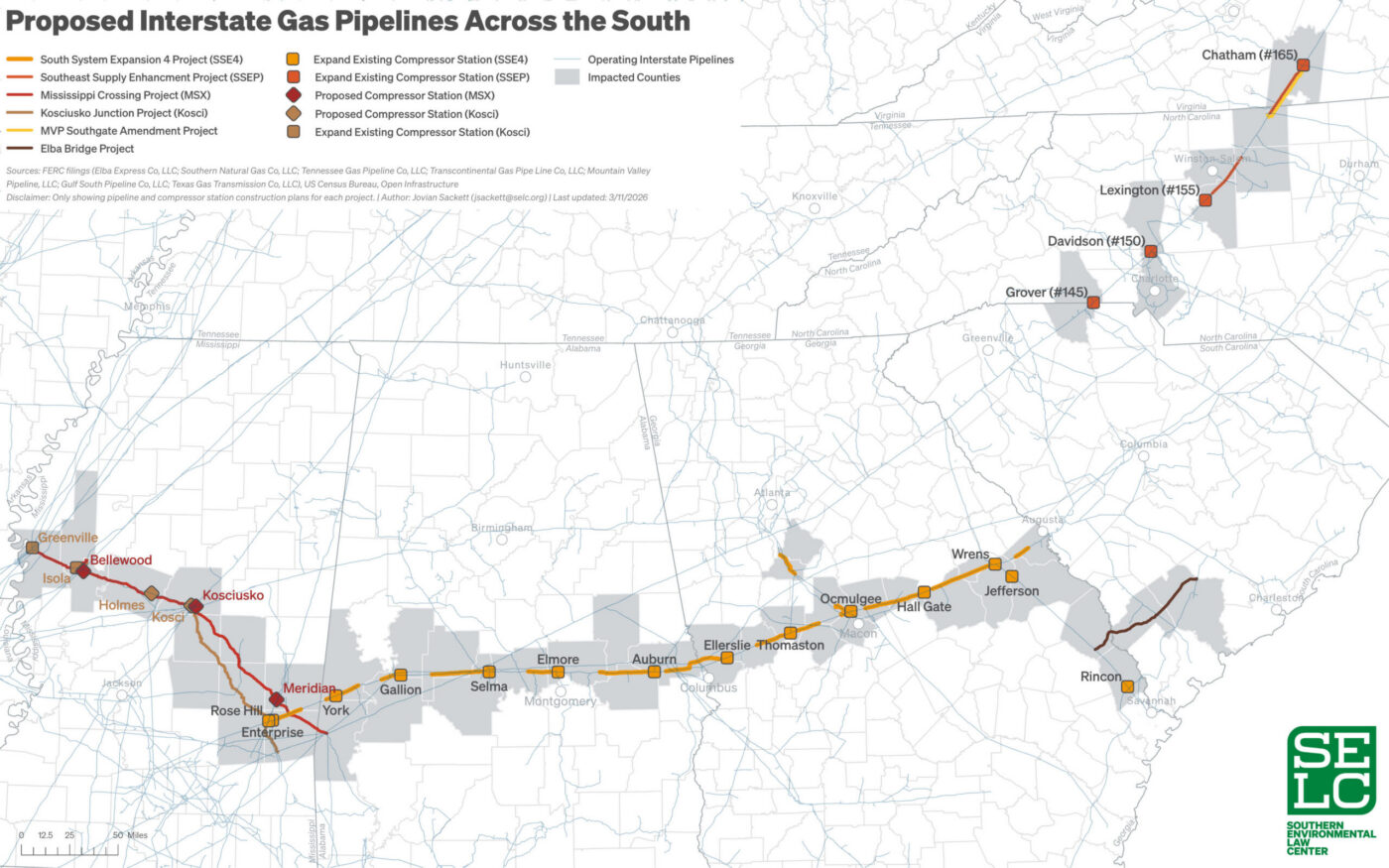

Proposed Interstate Gas Pipelines Across the South
Pipelines threatening the South
South System Expansion 4 and Mississippi Crossing
Proposed location: Counties across Alabama, Georgia, and Mississippi
Utilities involved include: Southern Company and Dominion Energy South Carolina
Cost: $5 billion
Specs:
- Approximately 500 miles of new pipe in the ground
- 18 river watersheds impacted
- Significant increase in air pollution along the pipeline path, exposing some communities to a greater risk of asthma, cancer, and heart attacks
Timeline: While industry plans aim for the Mississippi Crossing and South System Expansion 4 to be operational by late 2028, these projects still face the hurdle of approval and fierce community pushback.
Status of SELC’s legal action: On behalf of several organizations, SELC is opposing these harmful, expensive, and unnecessary pipelines at the Federal Energy Regulatory Commission.
Say ‘no’ to a fossil fuel superhighway across Alabama and Georgia.
Elba Bridge Pipeline
Proposed location: This project would impact Georgia and South Carolina.
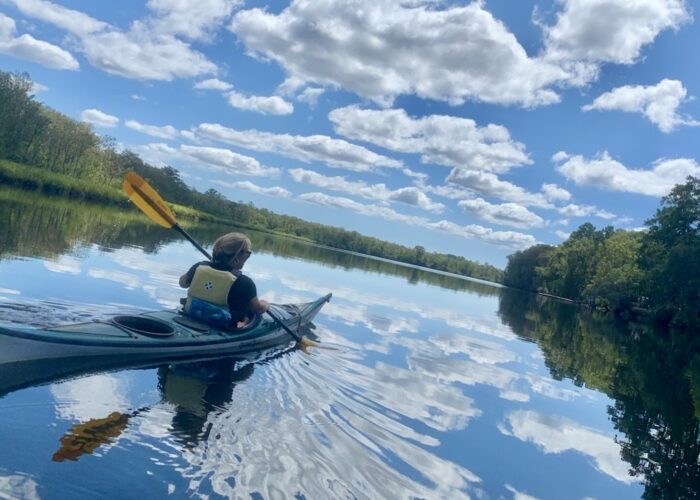
- The proposed route requires a new right-of-way that cuts across the Savannah River and through South Carolina’s ACE Basin, one of the largest undeveloped wetland and estuarine ecosystems on the Atlantic Coast.
- Conservation groups warn it threatens treasured water resources and wildlife habitats.
- It has the potential to escalate industrial development and construction of additional gas-fired power plants along the new pipeline corridor.
Utilities involved: Dominion South Carolina and Santee Cooper
Cost: $431 million
Specs: 71 miles of 30-inch diameter pipe
Timeline: Shipper utilities involved are already eyeing private property in Georgia and South Carolina for a sprawling pipeline network intended to feed methane plants and massive data centers. Despite the company’s 2029 construction goal, the project still lacks the necessary approvals and faces a community determined to protect its land from industrial overreach.
Federal regulatory proceedings are expected to start sometime this year.
Southeast Supply Enhancement Project
Proposed location: This proposal would significantly expand the existing Transcontinental pipeline to primarily fuel new gas-fired power plants in North Carolina, South Carolina, Georgia, and Alabama.
Utilities involved: Duke Energy, Southern Company, South Carolina Public Service Authority
Cost: $1.5 billion
Specs: 55 miles of new 42-inch diameter pipe, projected to cross more than 150 streams in North Carolina
Timeline: While the company has floated late 2027 for service, that date depends entirely on clearing significant regulatory and local hurdles.
MVP Southgate
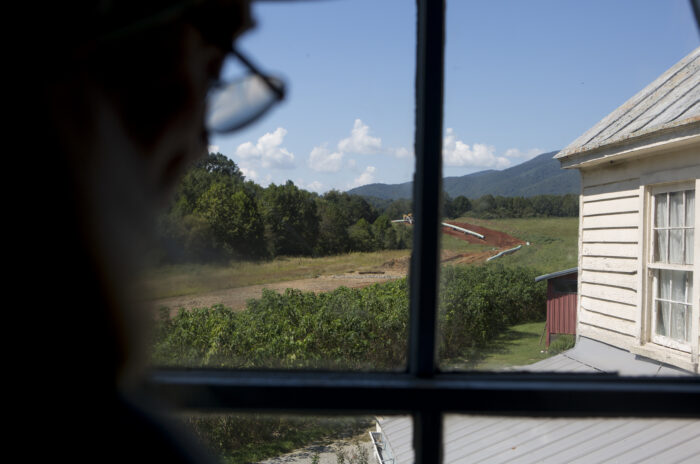
Proposed location: from Pittsylvania County in Virginia to Rockingham County in North Carolina
Utilities involved: Duke Energy and Enbridge (Public Service Company of North Carolina)
Cost: $370 million
Specs: Stalled by permit denials, MVP Southgate was redesigned as a slightly shorter, 31-mile pipeline, but once that would move a greater volume of gas. The proposed pipeline route still crosses over 100 water bodies and impacts dozens of acres of wetlands.
Timeline: The pipeline operator has said it intends to start construction this month if it receives its one outstanding permit, from the U.S. Army Corps of Engineers.
Status of SELC’s legal action: SELC and partners are challenging North Carolina and Virginia’s water permits for the project, which fails to protect the quality of the states’ waterways and wetlands.
Clean, safe, cost-effective renewable energy is the solution
Unchecked, these pipelines and other proposed gas projects will lock in long-term consequences for energy bills and public health across the South.
“These new gas pipelines put the South at risk for more dangerous air pollution and higher energy bills,” says Greg Buppert, Senior Attorney at SELC. “I think people are wise to the fact that utilities don’t have much of an incentive to solve either of these problems.”
The bottom line is that renewable energy is already cheaper and cleaner than gas. The South deserves a modern grid that delivers affordable, reliable, and clean energy — not just utility shareholder profits.