Okefenokee trailblazers: Archiving the legacy of Company 1433

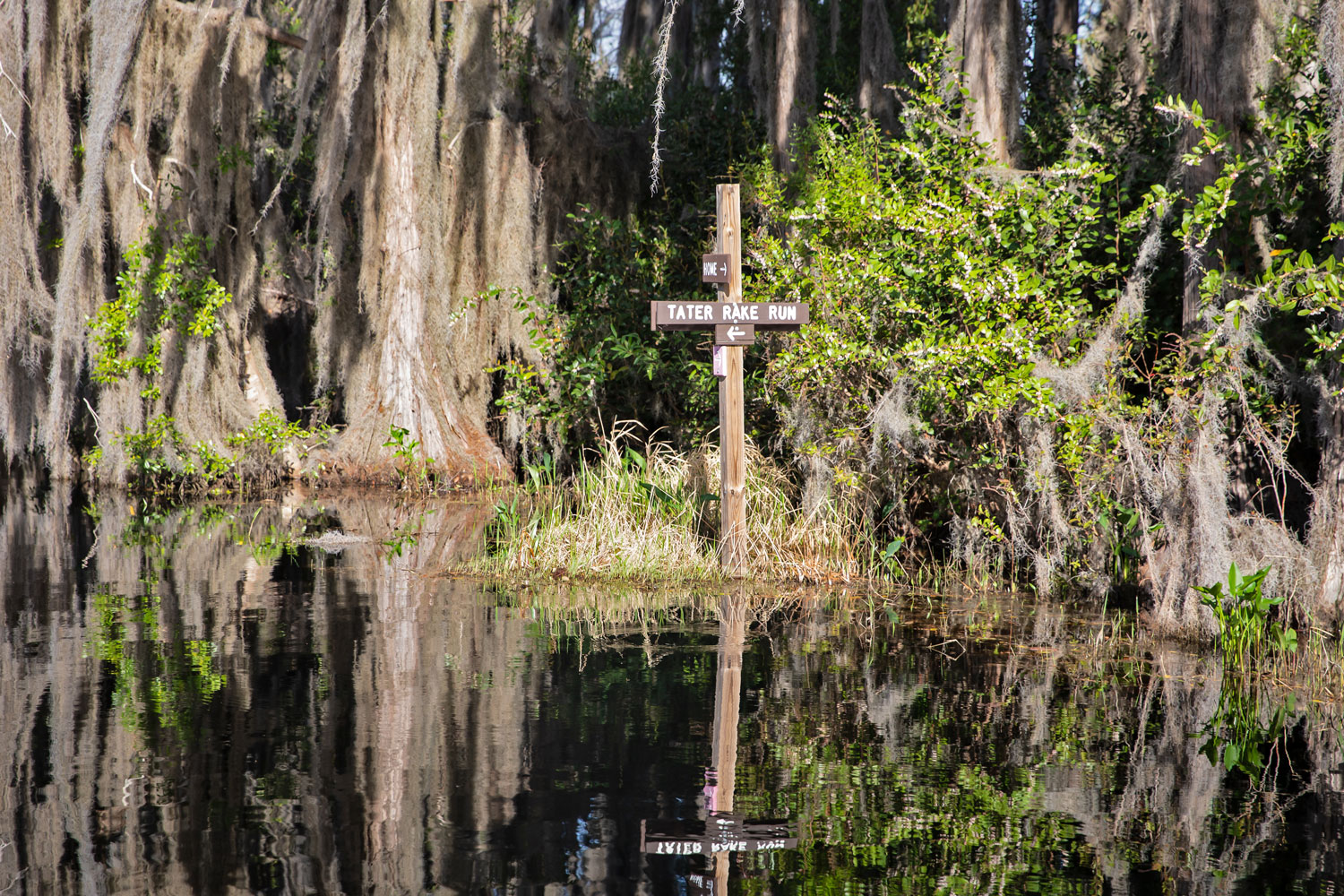
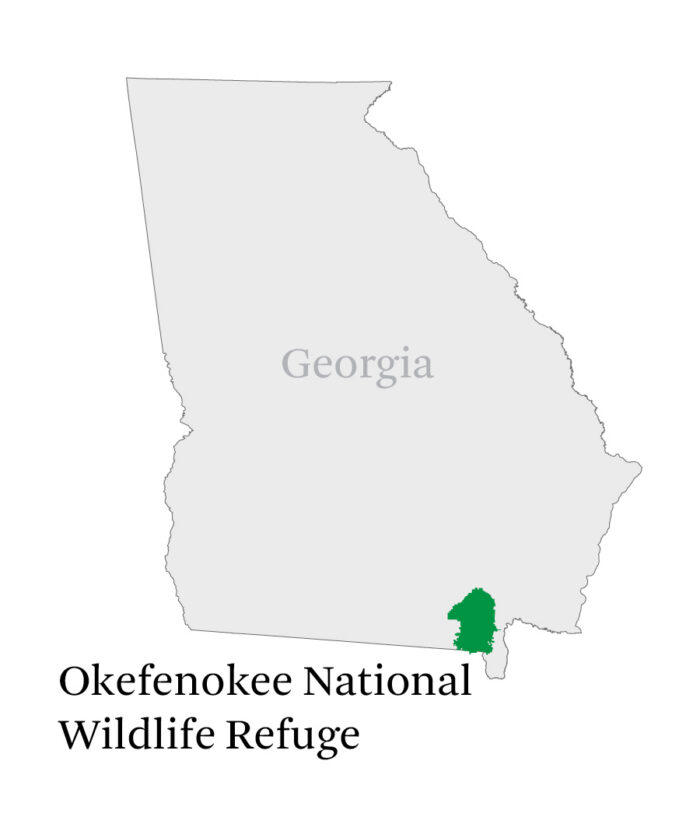
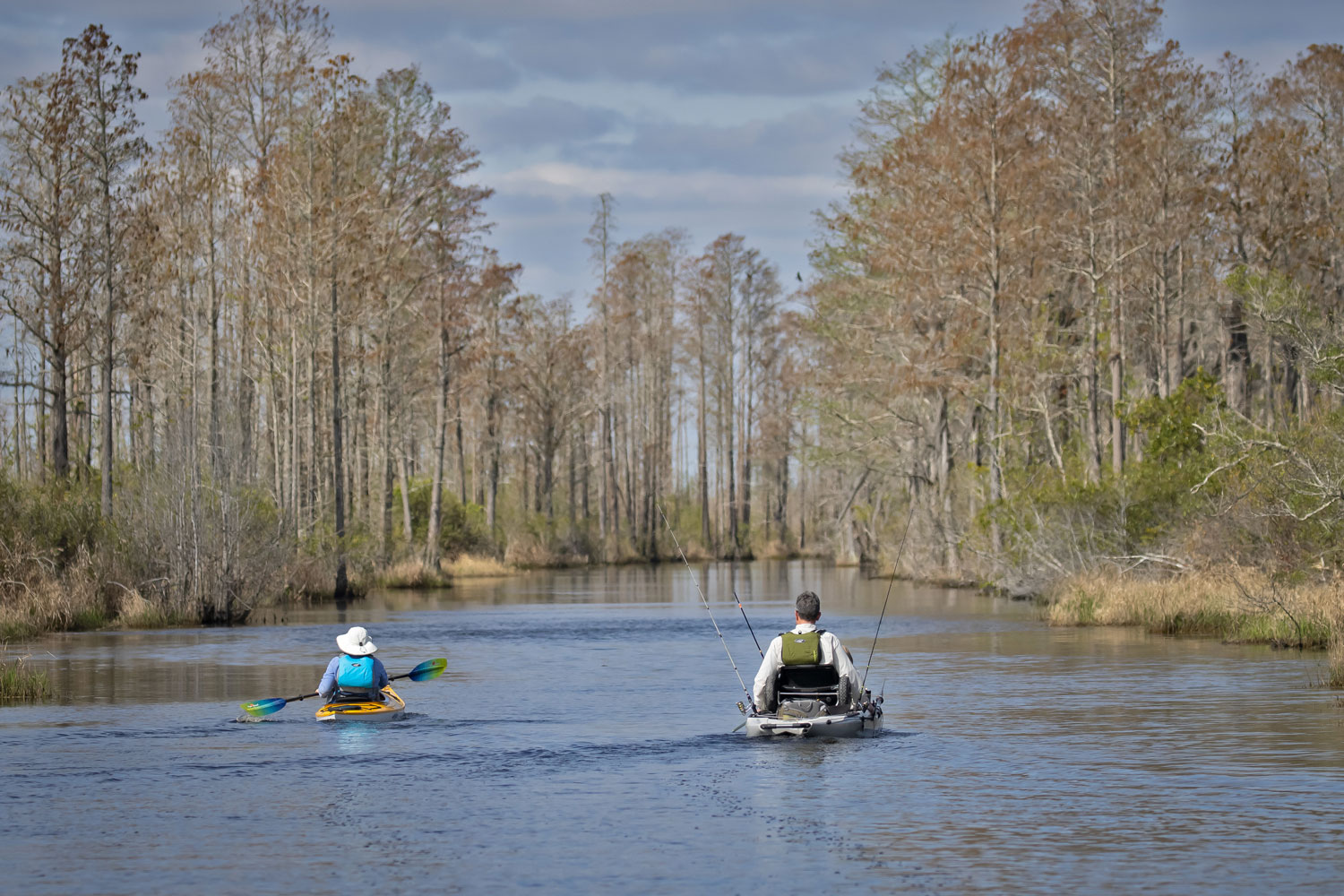
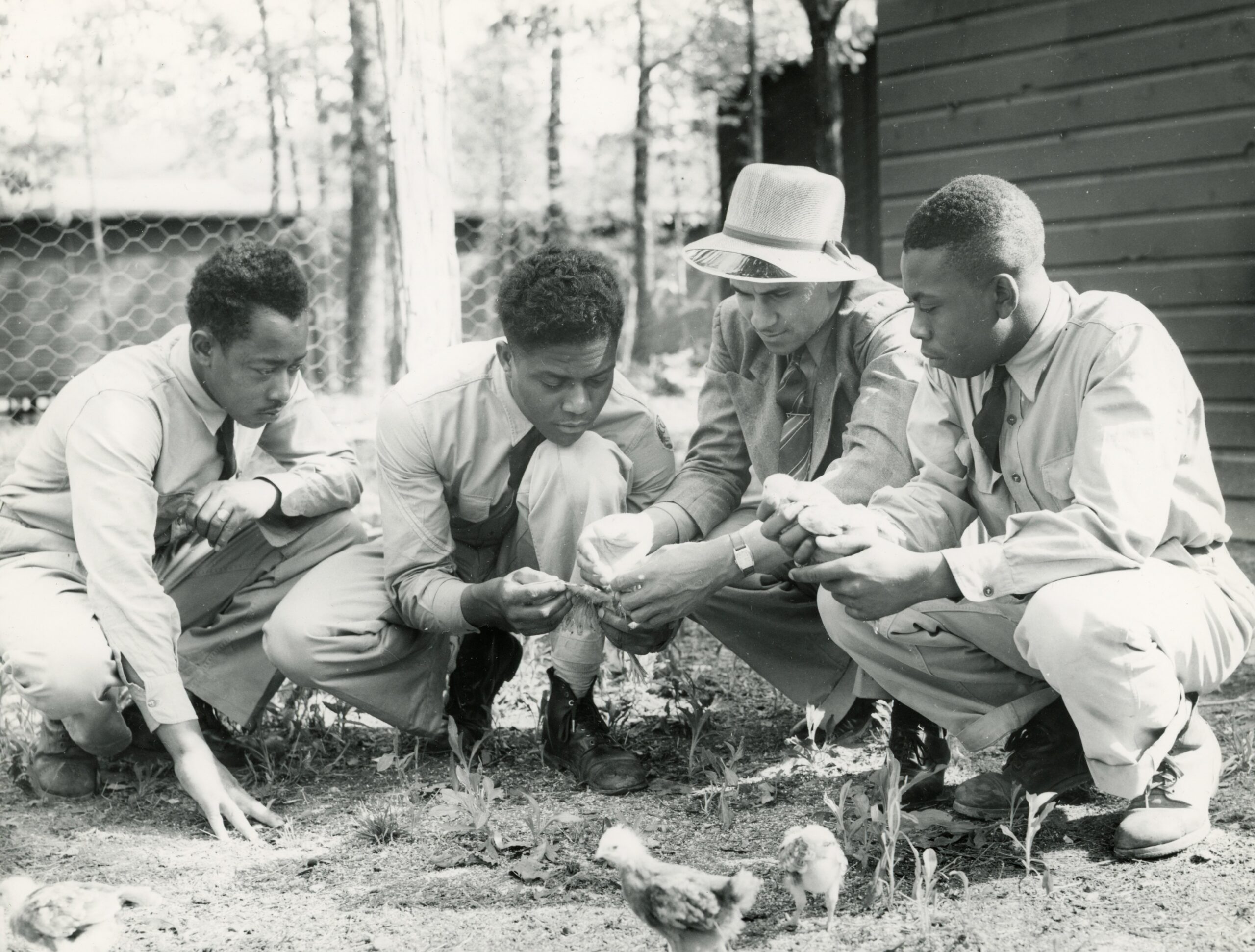
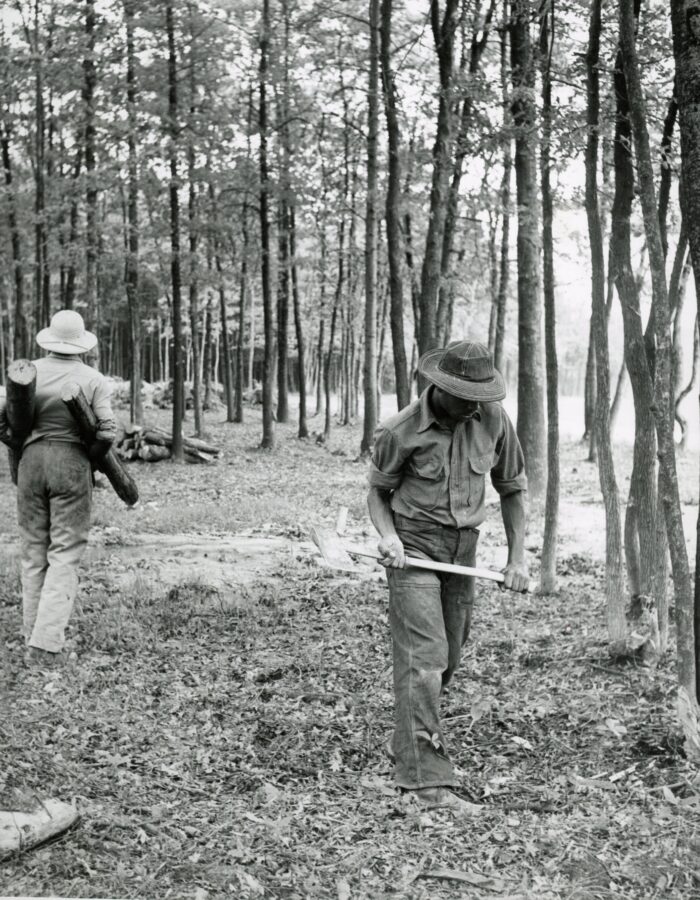
Paddling across the Okefenokee Swamp, a several-day journey through our continent’s largest blackwater swamp, is possible thanks to a vast network of canoe trails. The watery paths were built in the 1930s and 1940s by Company 1433, an all-Black unit of the Civilian Conservation Corps (CCC).
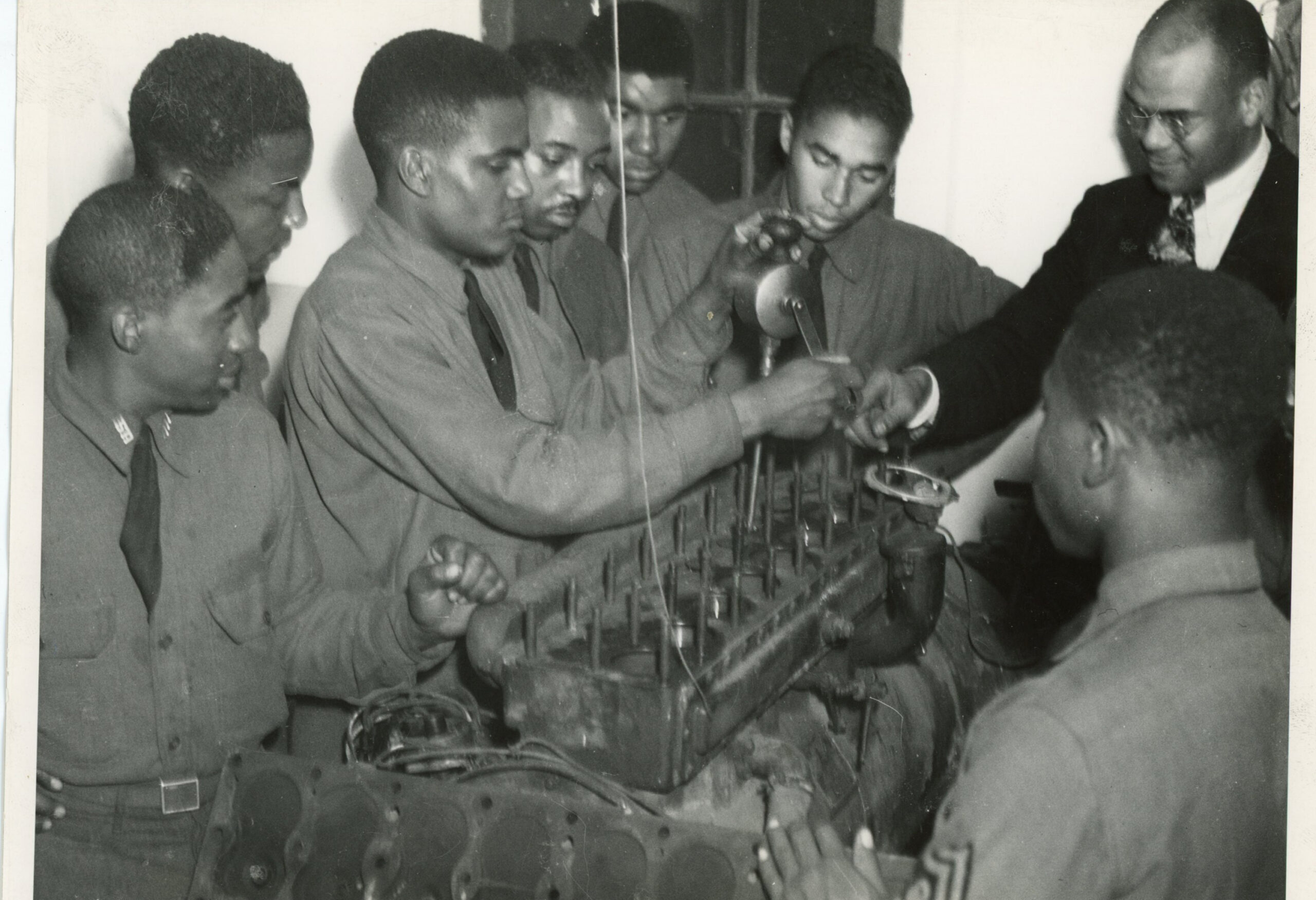
But up until recently, few people knew anything about Company 1433 and their contributions to the Okefenokee. As a result of their efforts, decades of visitors have witnessed the wonders of this National Wildlife Refuge up close. A new archival project is looking to give these men their rightful place in the swamp’s history.
Archivist Jessica (Jes) Neal and Project Manager Jennifer (Jennie) Berglund make up the Company 1433 Project and have spent the last two and a half years collecting and preserving as much as they can find about this Civilian Conservation Corps group. Ultimately, they are building a digital archive, exhibition, and middle school curriculum to support broader understanding of the group who built the foundation for the Okefenokee’s protection.

Both with Southern roots, Jes and Jennie were compelled by the chance to use their expertise to report and share this little-known conservation history from a region they love — each bringing extensive backgrounds in their respective fields: Jes in archiving and Black studies, including work at other national wildlife refuges, and Jennie in science storytelling, film production, and exhibitions.
There are so many stories that need to be told about this work. In the end, this is American history. It’s Georgia’s history. It’s Okefenokee history. And it’s important history.
Jennie Berglund, project manager, Company 1433 Project
Their research quickly grew to include other all-Black units and their work to build out national parks and tackle other environmental conservation projects.
The Company 1433 Project has identified 13 other Black units from the Civilian Conservation Corps that were stationed in Georgia and more than 100 across the South, but hardly any scholarship on them or their contributions.
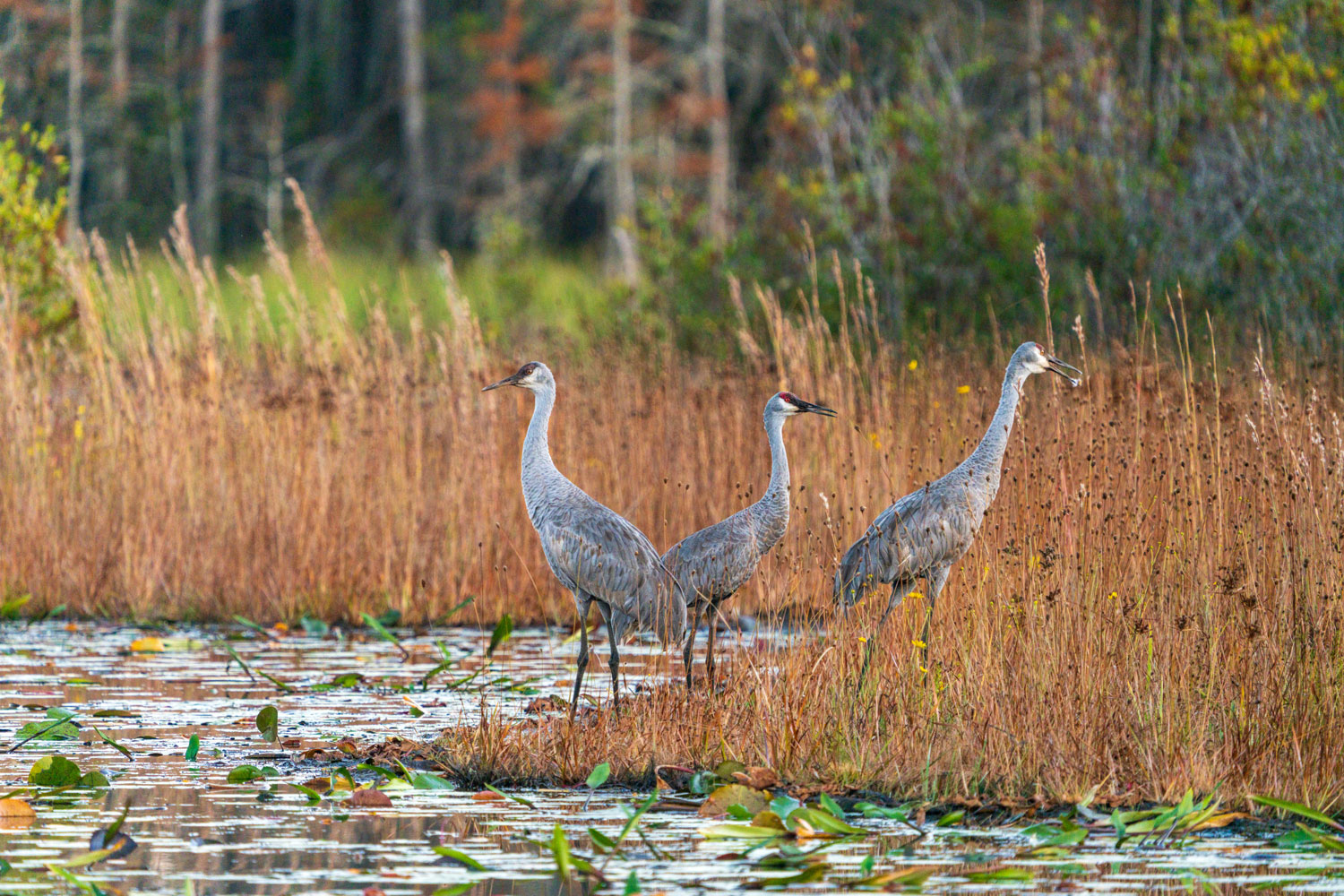
In the Okefenokee, the 200 men of Company 1433 were charged with bringing the infrastructure to support tourists exploring what was then a newly designated refuge, established in 1937. A big part of the swamp’s appeal then and now is how many birds, and thus birders, are drawn to the vast, intact habitat during migration and breeding seasons.
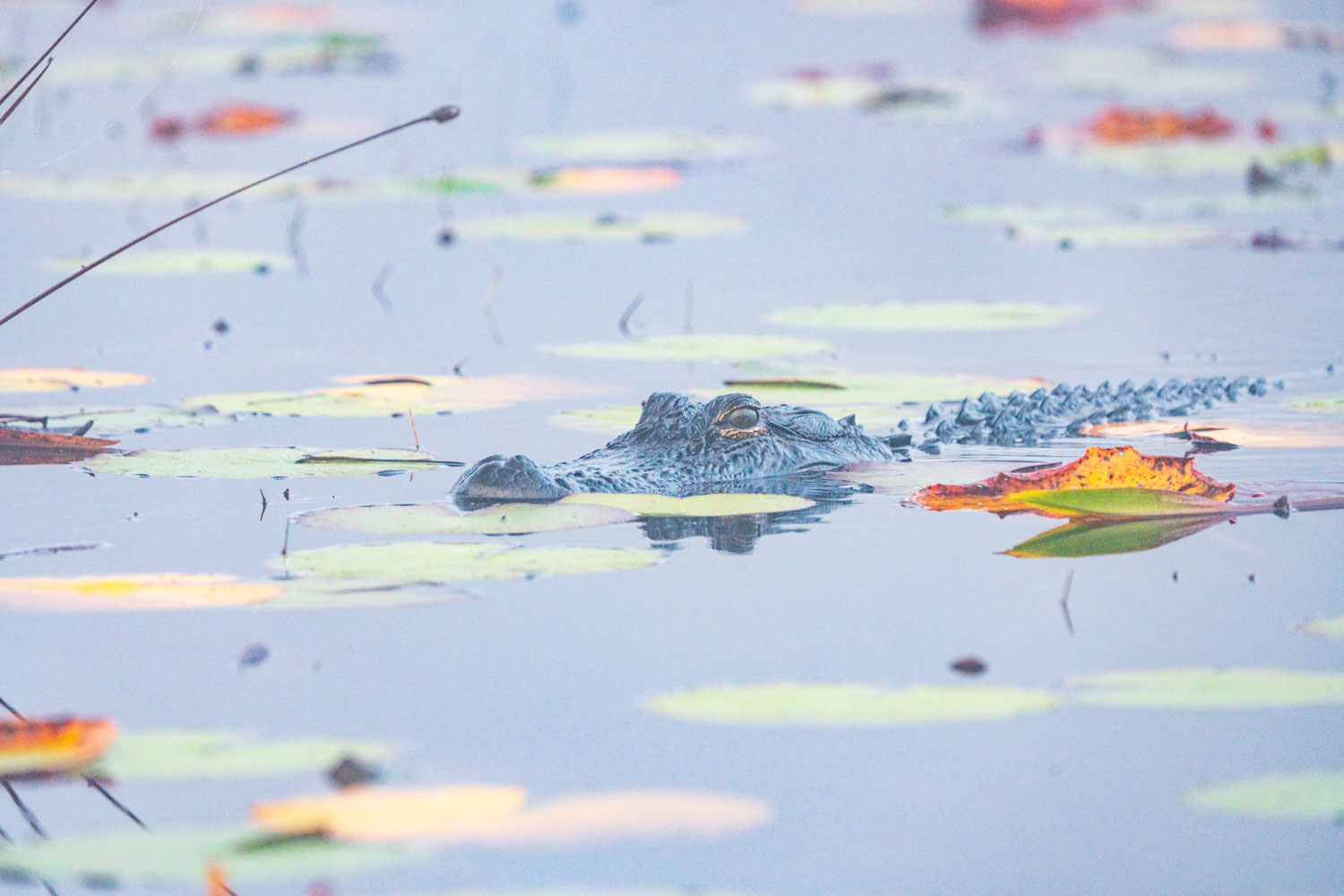
Today, the Okefenokee is recognized for its unique freshwater ecosystem, making it a must-see destination for families, anglers, wildlife enthusiasts, and adventurers. It’s such a singular site that swamp stewards recently submitted it for consideration as a UNESCO World Heritage site with news expected from the United Nations Educational, Scientific, and Cultural Organization in July. Groups like SELC, the Okefenokee Protection Alliance, and others are committed to protecting all that makes the swamp unique, including successfully stopping a massive, proposed mining operation in 2025.
But it’s the legacy of the labor of Company 1433 that still gives us a front row seat to all the Okefenokee’s wonders.