
A free pass to pollute: What to know about presidential exemptions
We’ve seen unprecedented attacks on the Clean Air Act under the second Trump administration, as the U.S. Environmental Protection Agency (EPA) under Administrator Lee Zeldin continues to dismantle foundational safeguards that protect our communities from toxic air pollution.
The administration has recently taken industry-friendly policymaking to another level by invoking special presidential exemptions from standards that limit emissions of hazardous air pollutants.
No one voted for more pollution and dirty air, but President Trump is giving industrial facilities a pass to pollute instead of requiring them to take reasonable steps to protect communities.
Keri Powell, Air Program Leader and Senior Attorney
The administration has now granted exemptions across multiple Clean Air Act Rules covering different types of facilities and pollution across the country. These exemptions allow companies to get out of complying with existing standards for at least two years, apparently without individualized review of a facility’s ability to meet the standards.
EPA’s open invitation to polluters
On March 12, Administrator Zeldin announced the opportunity to apply for presidential exemptions, calling it “the greatest day of deregulation” while vowing to dismantle 31 separate Clean Air Act protections. Soon after, EPA then launched a landing page with instructions for how to apply for the exemption and a dedicated email account to submit requests for an exemption – essentially offering a free pass to pollute the air.
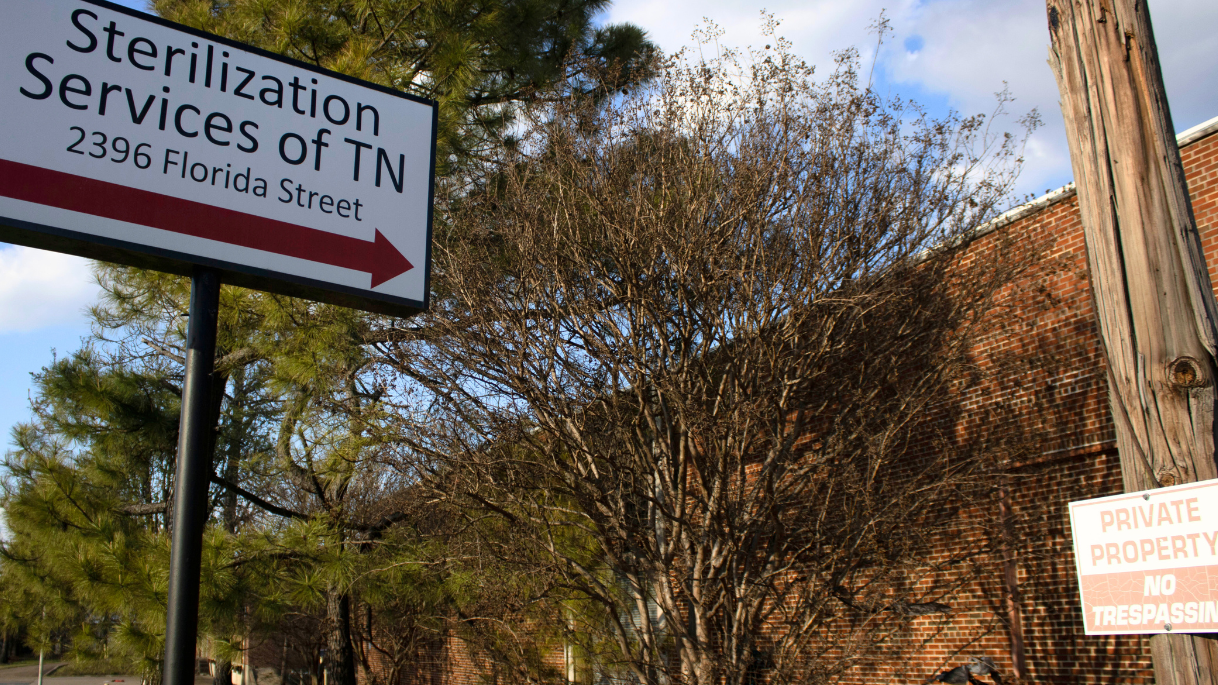
Over 500 polluting facilities nationwide were invited to request an exemption, including:
- large petrochemical manufacturing plants,
- coal-fired power plants,
- coking plants for making steel,
- medical sterilizer facilities.
By granting these exemptions, the administration is allowing facilities to avoid installing available and proven pollution-control technologies and implementing procedures that significantly reduce emissions.
The basis for these exemptions simply isn’t true
The technology to control this pollution exists and is widely used. Yet, President Trump, in each one of his exemption proclamations says that the technology needed to meet these standards “is not available.”
Across the country, coal plants, chemical manufacturers, commercial sterilizers and other types of facilities are actively using pollution control technologies to meet the standards set by these rules to protect our families from harmful pollution.
And while President Trump maintains that these technologies aren’t economically viable, many of the facilities that received exemptions were already in compliance with the new rules.
Threats to Southern communities
Some exempted facilities can now also ignore air monitoring and quarterly reporting requirements that are vital for accountability and transparency about the public health risks to neighboring communities. Many of these exempted facilities are located in residential areas and disproportionately harm communities of color and people living below the poverty line.
The administration’s reckless approvals of exemption requests will lead to more harmful pollution, including from mercury, arsenic, chloroprene, ethylene oxide and other contaminants linked to serious adverse health effects, including cancer, birth defects, and infertility.
Here’s a breakdown of some of the exemptions that have been granted to date and how they impact our communities:
- Facility type: commercial sterilizer
- Number of facilities exempted: 39
- Facility type: chemical manufacturer
- Number of facilities exempted: 50
- Facility type: coal power plant
- Number of facilities exempted: 71
- Facility type: coke ovens
- Number of facilities exempted: 11
Discover the harmful impacts coke ovens have on the South.
President Trump has granted exemptions to 27 facilities in SELC’s region alone, including ABC Coke in north Birmingham and nine commercial medical sterilizers that use ethylene oxide – a highly toxic chemical – to sterilize medical equipment.
What happens next
SELC is closely tracking the exemption status for facilities throughout our region and will work to hold the exempted facilities accountable to comply with state and federal air pollution control requirements.
SELC and our partners are pursuing federal Freedom of Information Act (FOIA) and state open records act requests, along with other strategies to provide more transparency around which facilities are asking for exemptions and the basis for their requests.
“No one voted for more pollution and dirty air, but President Trump is giving industrial facilities a pass to pollute instead of requiring them to take reasonable steps to protect communities,” said Keri Powell, Air Program Leader and Senior Attorney at the Southern Environmental Law Center. “Broadly offering a ‘get out of jail free card’ to avoid complying with basic Clean Air Act protections is an abuse of the president’s authority.”