

The Trump administration is trying to gut toxic coal ash protections
At around 3 p.m. on February 2, 2014, workers at a Duke Energy power plant in North Carolina noticed something alarming: liquefied coal ash was leaking into the Dan River.
Like many coal-fired power plants, the Dan River Steam Station stored coal ash, the toxic byproduct of burning coal, in large ponds beside the river. Due to Duke Energy’s criminal negligence, a stormwater pipe collapsed beneath one of those ponds, releasing a steady stream of gray sludge into the river.
By the time the leak was stopped, 39,000 tons of ash and 27 million gallons of toxic pond water laden with arsenic, lead, mercury, and other dangerous contaminants had spewed into the river in North Carolina and Virginia, contaminating it so far downstream that the city of Virginia Beach could not use its drinking water intake, and devastating the North Carolina communities that depend on the river and tourism.
And this wasn’t the first time a disaster like this rocked Southern communities.
Six years earlier, in 2008 just days before Christmas, a dike at a Tennessee Valley Authority coal plant in Kingston, Tennessee, failed catastrophically. The failure unleashed more than one billion gallons of coal ash slurry. The damage buried homes, polluted waterways, and continues to haunt the community to this day.
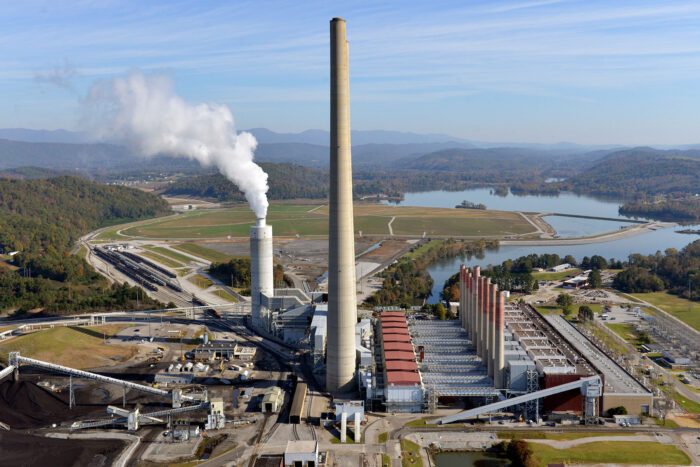
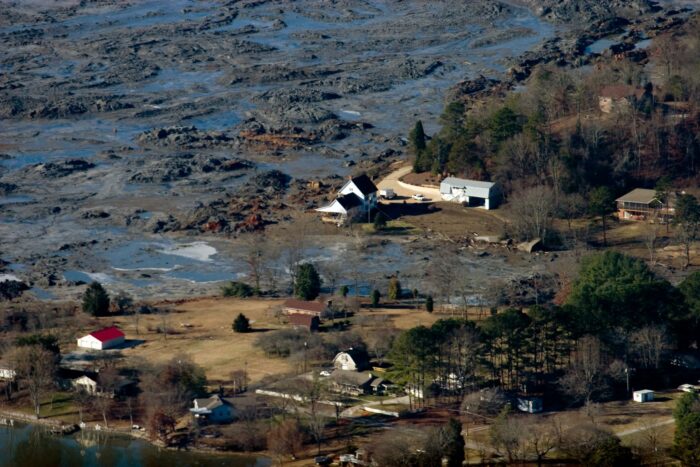
Across the country, people saw the headlines. But for millions living near other coal ash lagoons, the ongoing dangers weren’t as obvious as the gray rivers caused by these high-profile disasters in North Carolina and Tennessee.
For decades, toxic coal ash has been stored primitively in massive, unlined pits, often sitting directly in groundwater next to rivers and lakes leaching harmful heavy metals and chemicals into our drinking water sources. Millions of families had no idea these sites even existed until disaster struck in Kingston and Eden, contamination turned up in their wells, or years of unexplained health problems forced them to connect the dots.
Together, we fought for safe coal ash standards
Coal ash is one of the largest industrial waste streams in the United States and poses a real threat to public safety and health. But prior to 2015, when EPA finally put federal regulations in place, this toxic waste had even less restrictions than household trash.
SELC and Southern communities confronted this problem head-on. Years before the Dan River coal ash spill, we were advocating and fighting in court to stop coal ash pollution, and eventually we achieved cleanups of over 270 million tons of coal ash in many communities throughout our region.
Meanwhile, after the Dan River disaster, the Environmental Protection Agency (EPA) finally stepped up and put in place minimum national safeguards.
The EPA’s Coal Combustion Residuals (CCR) rule requires utilities to monitor groundwater, close leaking pits, and follow strict safety standards. It also prohibits unsafe storage practices and outlines proper disposal methods. The regulations, along with example set by the cleanups SELC achieved, forced more utilities nationwide to start managing, and in some cases cleaning up, their toxic mess.
But there’s a long way to go.
And while communities across the South and the rest of the country are still grappling with this pollution, the Trump administration is now threatening to undo this hard-won progress.
Polluters asked, EPA listened
On April 9, 2026, the EPA announced “proposed revisions to regulations for the disposal of coal combustion residuals” that would gut the common-sense, nationwide minimum standards that have been working for more than 10 years.
At the request of politically powerful utilities, the EPA wants to provide loopholes by exempting many coal ash dumps and by giving states and regulators broad discretion to waive federal standards for many others on a case-by-case basis.
That might sound technical, but the impact is simple: it allows polluters to argue for exceptions, delay cleanups, and continue operating unsafe, leaking, unlined coal ash pits next to rivers and lakes. And with the Trump administration delaying coal plant retirements, utilities could create more toxic ash with fewer regulations to protect our communities.
SELC Senior Attorney Nick Torrey says, “Letting coal-burning utilities set the agenda has been a disaster for communities across the South, resulting in coal ash spills and hundreds of families forced to live on bottled water for years under the threat of coal ash pollution.”
The Trump administration and coal ash polluters want to take us back to the bad old days of arsenic, lead, and mercury from coal ash contaminating our water.
Nick Torrey, Senior Attorney
The last thing we need is to retreat from common-sense, nationwide protections against the polluting, unsafe storage of coal ash. This proposal provides industry-friendly loopholes by exempting key sources of this harmful pollution. Instead of a clear, enforceable national floor of protection, we’d be left with a patchwork system where the safety of our families and communities depends on where they live and how much pressure politically powerful utilities can exert on local regulators.
Say NO to toxic coal ash in our water
Water is life
Coal ash is a toxic mixture of some of the most dangerous heavy metals known to science. And these elements don’t break down over time — once they’re in our environment, they are there forever.
When coal is burned for power generation, it leaves behind ash laced with high concentrations of arsenic, mercury, lead, selenium, and other hazardous substances. In unlined pits, which are sometimes located in floodplains, wetlands, and dammed stream valleys, these toxins seep into groundwater, polluting drinking water and harming ecosystems.
The health impacts are severe and well-documented:
- Arsenic exposure is linked to multiple forms of cancer
- Lead can permanently impair brain development in children
- Mercury affects the nervous system and can harm fetal development
- Selenium can damage internal organs and aquatic life
For families living near coal ash pits or downstream, this isn’t abstract. It means wondering whether the water coming out of the tap is safe. It means worrying about long-term health impacts that may not show up for years. And it means living with the stress of contamination as the federal government abandons its responsibility to control this toxic pollution.
Storing coal ash in unlined pits that sit in groundwater is not a solution, and utilities across the country have proven that they can store and recycle this waste in a safe way. Strong federal safeguards are one of the only things standing between this legacy pollution and even greater harm.
We’ve seen what can happen
Communities across the South have already experienced what happens when coal ash storage systems fail, and the results have been devastating. These rollbacks could expose people to similar disasters that could harm human life, impact ecosystems, and cost communities millions or even billions to clean up.
Kingston, Tennessee
Estimated environmental and cleanup cost: $1.1 billion
In 2008, a dike at a Tennessee Valley Authority coal ash pond in Kingston, Tennessee collapsed, unleashing more than a billion gallons of toxic ash slurry. The flood buried homes, destroyed property, and choked the Clinch and Emory Rivers with sludge that eventually flows into the Tennessee River — a main artery of the Ohio River. Years later, cleanup workers and residents alike reported serious health problems linked to exposure.
Eden, North Carolina
Estimated environmental and cleanup cost: $295 million
Just six years later, in 2014, a pipe beneath a coal ash pond owned by Duke Energy failed, spilling tens of thousands of tons of coal ash into the Dan River. Gray sludge coated the riverbed for miles, contaminating water flowing through North Carolina and all the way into Virginia. Duke Energy was later convicted 18 times for Clean Water Act crimes related to its mishandling of coal ash across North Carolina.
These weren’t isolated incidents. They were the predictable result of a system that allowed toxic waste to be stored in leaking, unlined pits next to rivers and lakes with little oversight.
Public outrage over these disasters helped drive the creation of federal coal ash protections in the first place. Weakening these protections now ignores the hard lessons learned from these catastrophes, and risks repeating them.
A decade of progress at risk
In the years since those disasters, SELC and local communities fought tirelessly to turn the indignation from this contamination crisis into action.
When regulators failed to act, SELC and its partners took utilities to court, using the Clean Water Act to force accountability and cleanups. Those efforts have reshaped coal ash policy in states and nationwide, and delivered some of the most significant environmental victories the South has ever seen.
The results are tangible:
- In South Carolina, legal pressure ensures that every utility is now removing coal ash from dangerous, unlined lagoons.
- In Virginia, sustained advocacy led to legislation mandating the excavation of coal ash from Dominion’s sites, as well as Appalachian Power’s remaining unlined lagoon.
- In Tennessee, the Tennessee Valley Authority agreed to remove millions of tons of coal ash from sites that threaten major drinking water sources, including the Cumberland River.
- In North Carolina, years of litigation by SELC led to court orders and settlements — requiring Duke Energy to excavate or recycle 126 million tons of coal ash from all 14 of its unlined, leaking sites —the largest cleanup effort of its kind in the nation. Across the Southeast, utilities are now committed to removing more than 270 million tons of coal ash from unlined, leaking pits.
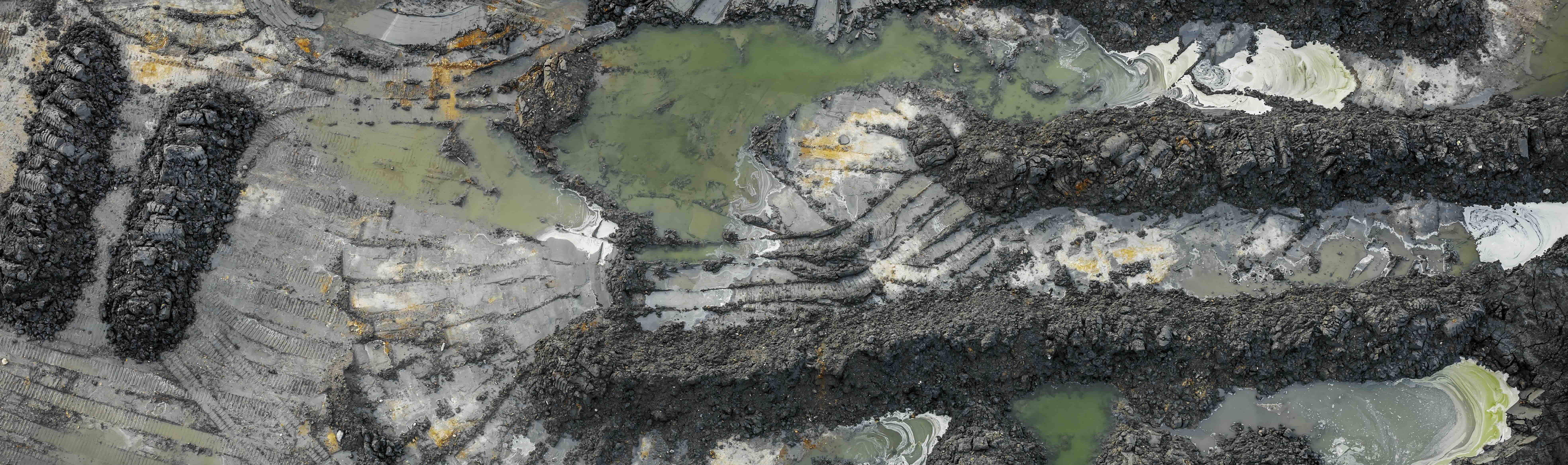
This progress represents more than numbers. It has meant safer drinking water, restored ecosystems, hurricane-related coal ash spills that didn’t happen thanks to the cleanups, and communities that no longer have to live in the shadow of unchecked pollution.
Weakening federal standards now puts communities at risk, giving utilities new opportunities to delay action or avoid responsibility altogether.
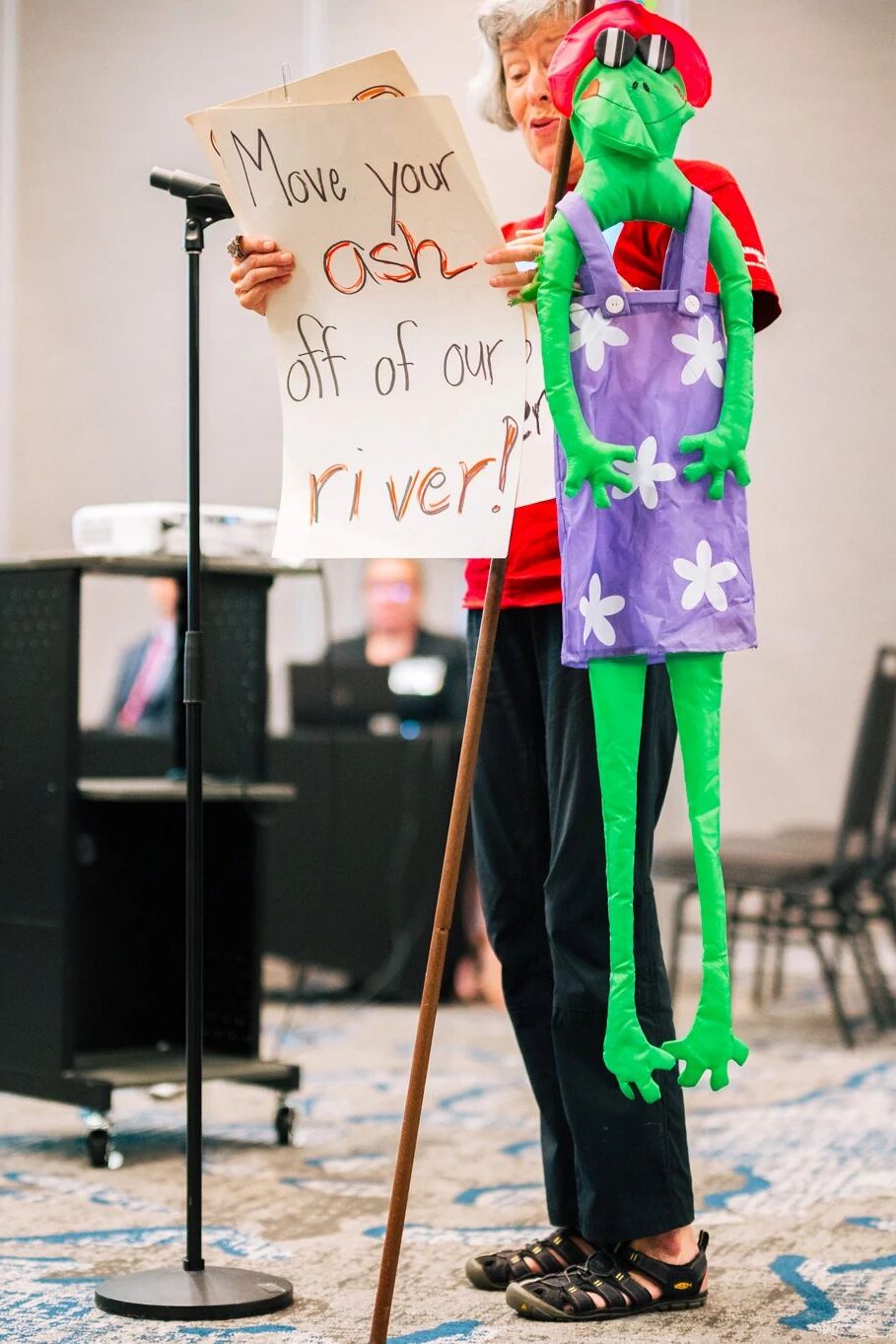
The fight isn’t over
Even with this progress, coal ash pollution remains one of the most widespread and persistent threats to clean water in the South.
Many cleanups are still underway, some utilities continue to resist excavating their coal ash to dry, lined storage or recycling, and in several states, communities are still pushing for basic protections against ongoing contamination.
That’s why strong federal standards matter so much. They provide a backstop when state protections fall short and ensure that no community is left behind.
Southern communities fought hard to ensure the first-ever federal protections for coal ash. Now is the time to take action and say no to toxic coal ash in our rivers, lakes, and drinking water.