

The city contaminating almost 900,000 North Carolinians’ drinking water

In North Carolina’s Chatham County, the beloved Haw and Deep Rivers converge to form the Cape Fear, the basin that people from Pittsboro to Wilmington rely on for their drinking water.
For years, many North Carolinians consumed that water unaware that polluters, including the city of Asheboro and plastics company StarPet, Inc., had been contaminating their drinking supply with 1,4-dioxane – a clear, odorless, industrial chemical linked to cancer and organ damage that can’t be removed by conventional water treatment.
“A lot of people had already raised their kids on that water,” says Jean Zhuang, senior attorney with SELC.
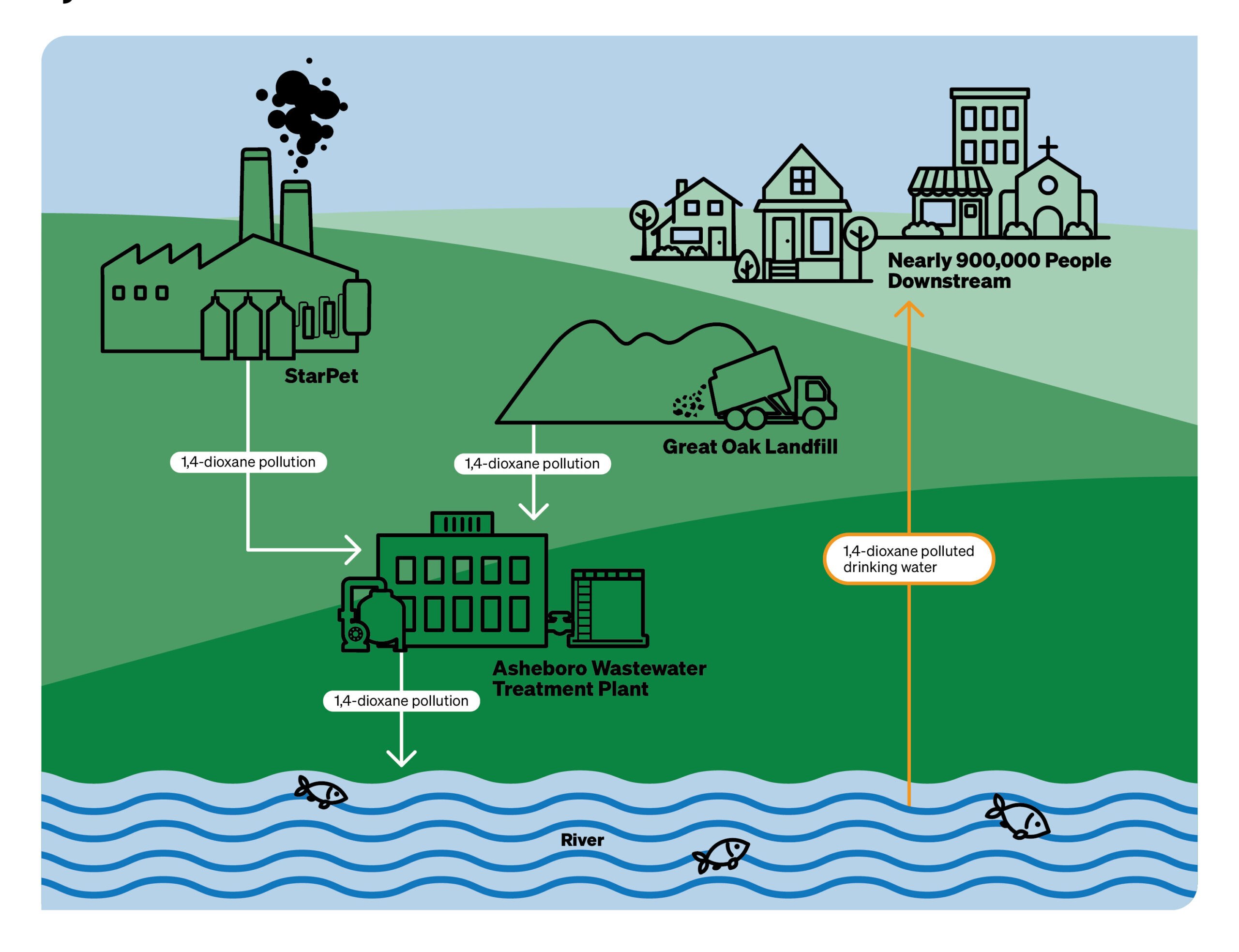
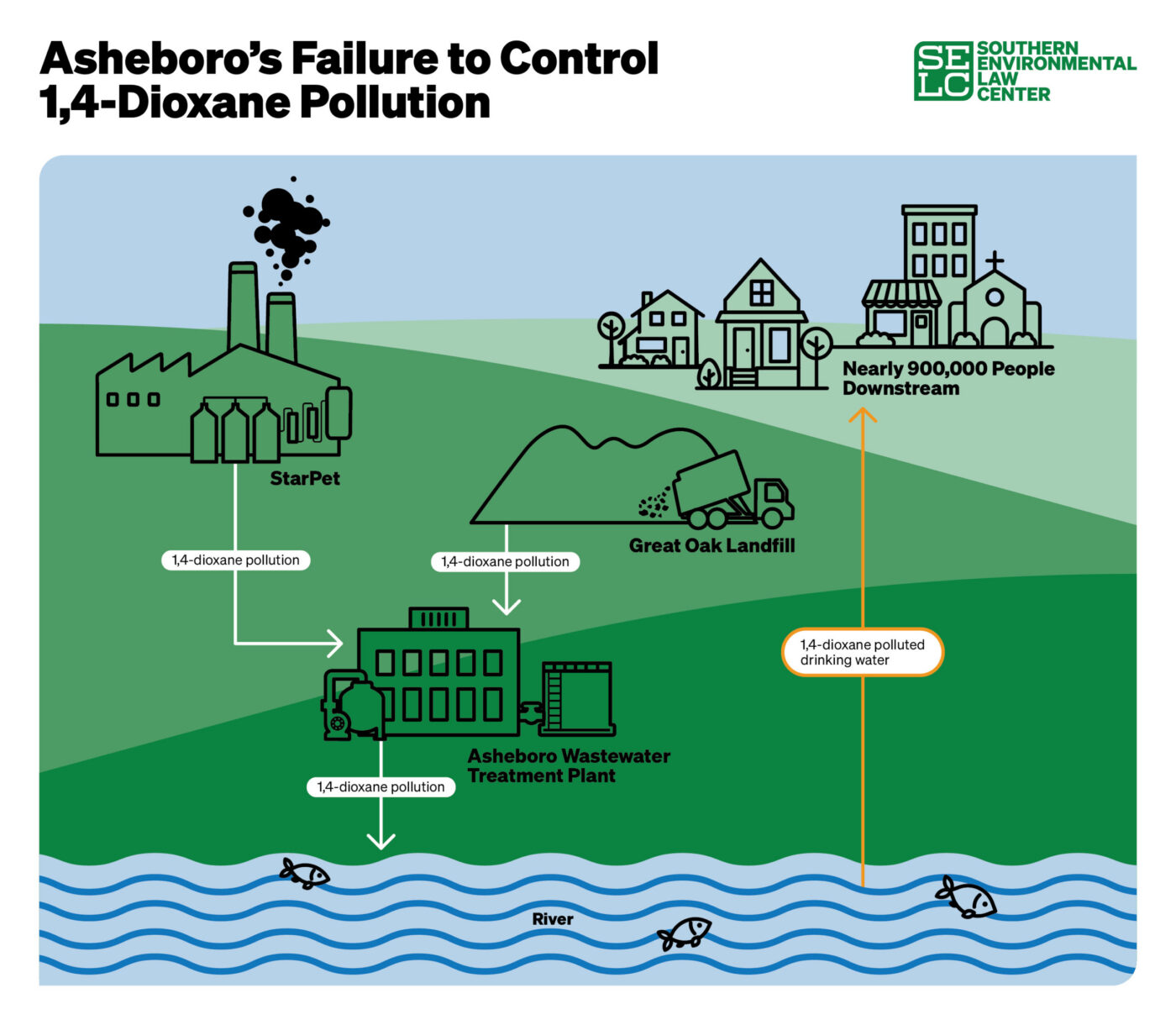
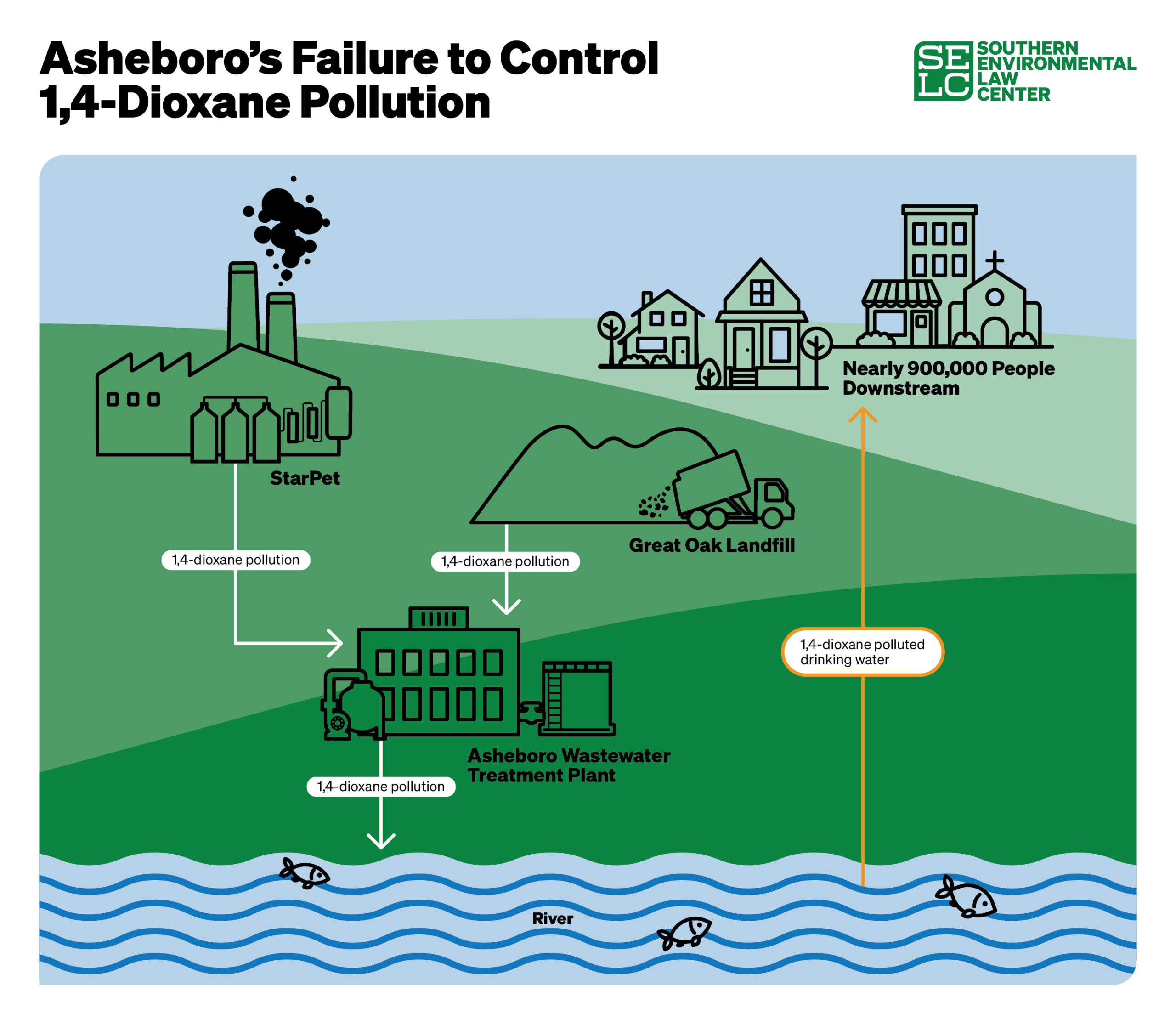
Asheboro’s failure to control 1,4-dioxane pollution
For families affected by 1,4-dioxane in North Carolina, the pollution has led to difficult and costly decisions: installing expensive water tanks, pulling their children out of daycares that lacked proper water treatment, avoiding the creeks and rivers where they’d otherwise fish and play, and, in some cases, even uprooting their lives entirely to move.
“They’re afraid, even after taking steps to protect their families moving forward, about the harm that’s already been done,” says Zhuang, SELC’s leading expert on industrial chemical pollution.
They’re angry that it’s been allowed to happen at all.
Jean Zhuang, Senior Attorney
That rightful anger is compounded by the fact that, despite having access to a cost-effective solution to stop its toxic contamination, polluters like Asheboro have fought to remove state regulations for the chemical. Over the past year, the city has even increased the amount of cancer-causing 1,4-dioxane it releases.
Now, alongside our partners Cape Fear River Watch and Haw River Assembly, SELC is suing Asheboro for violating the Clean Water Act.
Keep chemicals out of our drinking water.
A history of 1,4-dioxane pollution
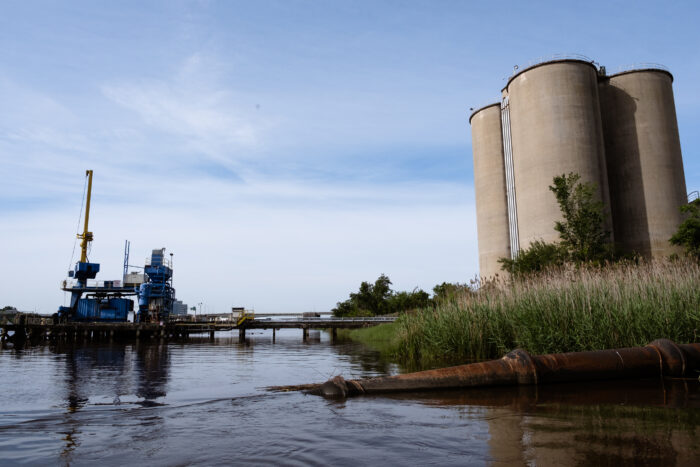
Much of Asheboro’s 1,4-dioxane pollution comes from StarPet, a plastics manufacturer that pays the city to accept its industrial waste. Because Asheboro’s wastewater plant doesn’t remove the toxic chemical, the city releases its industrial customers’ 1,4-dioxane pollution into the Deep River, where it flows downstream.
Zhuang says Asheboro has known about its pollution for more than a decade, but has adamantly refused to require industries to treat their waste before sending it to the city.
“The industry would take on the cost,” says Zhuang. “Nobody has ever asked the city to pay for treatment.”
In 2023, North Carolina’s Department of Environmental Quality issued a permit to Asheboro that would have limited the amount of 1,4-dioxane the city could release into downstream drinking water sources.
Instead of complying, Asheboro banded together with Greensboro and Reidsville – other upstream cities which dump industrial 1,4-dioxane pollution into North Carolina’s rivers – to challenge the permit and the state’s ability to limit pollution of water sources in court.
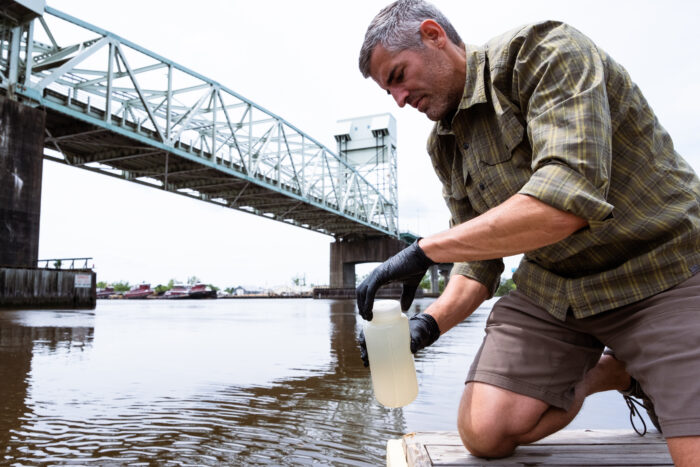
Sadly, in 2024, the former chief administrative judge in North Carolina’s Office of Administrative Hearings issued a ruling that overturned the permit limits and sabotaged a key tool that the state uses to protect North Carolinians from 1,4-dioxane and other toxic chemicals. An appeal of the ruling is now pending in state court.
Zhuang also worked on the case that required Chemours’ Fayetteville Works facility to stop releasing PFAS (also known as forever chemicals) into the Cape Fear. She calls industrial pollution “a tale as old as time.”
What shocked her more was watching North Carolina cities double down on harming their downstream neighbors.
“It was bewildering to discover that it’s not just industrial polluters,” she says. “Cities can do something about this pollution, but are fighting tooth and nail to avoid protecting people.”
Holding Asheboro accountable
Asheboro and StarPet’s 1,4-dioxane pollution is illegal under federal law.
The Clean Water Act’s “pretreatment program” requires cities to take actions that ensure pollution is controlled at the industrial source before it reaches the municipal wastewater system, rivers, and downstream drinking water intakes.
Zhuang says this requirement is central to SELC’s lawsuit, which ultimately asks that the city and its industrial clients follow the law to reduce or eliminate their 1,4-dioxane pollution and protect downstream communities.
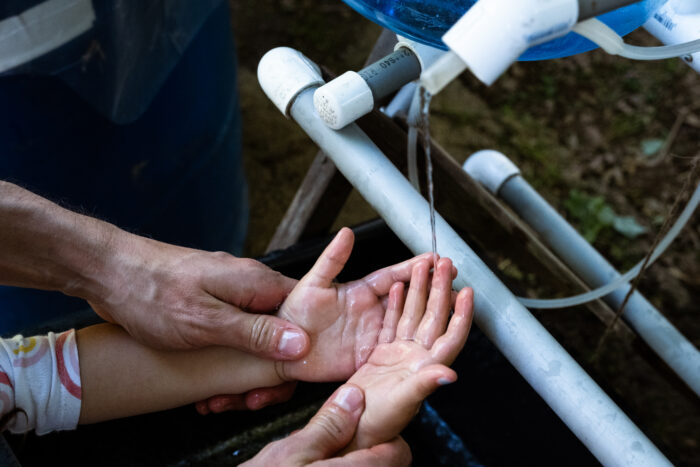
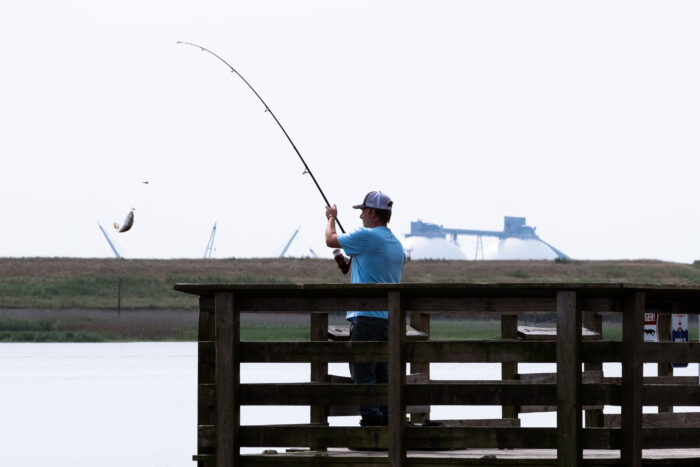
The urgency of the case has only grown in recent months, as Asheboro has continued to increase its downstream pollution and sought more ways to dismantle state regulations on 1,4-dioxane.
The city is also a member of a group now lobbying North Carolina’s Environmental Management Commission to adopt rules that do not limit toxic 1,4-dioxane and PFAS pollution into water supplies.
Defending our right to clean water
North Carolinians know the importance of our water bodies, perhaps especially in summer temperatures. From hydrating on sweltering days to swimming, fishing, and paddling in our local creeks, rivers, and lakes, water sustains us and connects us – to each other and the places we call home.
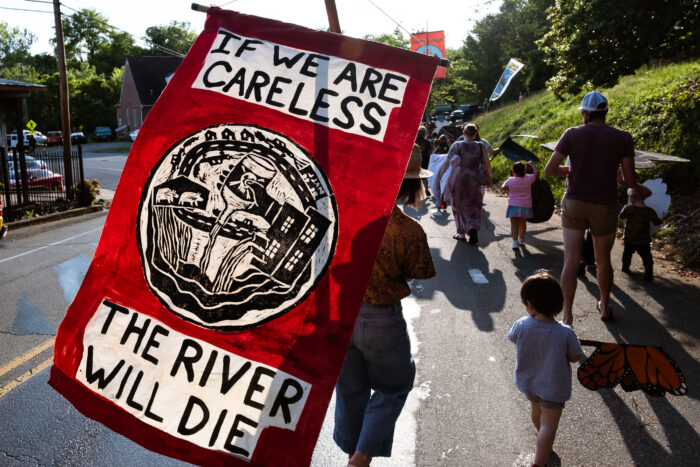
In the summertime, Zhuang says, she often takes her two-year-old to nearby creeks, where he’ll pick up rocks and search for little fish and bugs. “I think there’s something primal about jumping and playing in water that isn’t a pool,” she says. “There’s something that feels so human about it.”
At the heart of the lawsuit against Asheboro is something North Carolinians already understand: our communities deserve clean, safe water.
Zhuang has watched people across the state fight to protect that right for years. She’s seen them share their stories at evening public hearings, spread critical information to neighbors, send emails and sign petitions, and join grassroots organizations like Cape Fear River Watch and Haw River Assembly.
“Some of them never saw themselves as activists but feel like they have to show up to fight for their kids’ future – a future with clean water to drink and play in,” says Zhuang. “I’m lucky to do this as my job, but they’ve shown up again and again, often after a full day of work, for years. I’m constantly impressed by them.”