

Irreplaceable habitats of the South
To watch a once-endangered bald eagle soar is an American rite of passage. While nearly all of us can agree it’s a good idea to protect our nation’s wildlife and its habitat, this tradition seems to no longer be a priority for our federal government.
The habitats of our most imperiled species have been a respite for people as well. Protecting forests, saltwater marshes, beaches, and mountains that rare species call home is how we ensure new generations have the same opportunities to experience the South’s world class biodiversity.
“Recent attempts to unravel the Endangered Species Act are unnecessary and nonsensical. Eliminating protections for habitat of endangered species is especially reckless and runs contrary to a previous Supreme Court decision,” said Catherine Wannamaker, a senior attorney at SELC.
To protect and recover imperiled species, you must protect their homes.
Catherine Wannamaker, Senior Attorney
One of those rollbacks that was just finalized will allow widespread destruction of the habitats and landscapes that endangered and threatened species depend on – habitats that have been protected under the ESA for 50 years, since its passage in 1973. “For somewhere around half a century, we’ve had laws that have successfully preserved the wellbeing of endangered species,” said Wannamaker. “Habitat protection measures under the ESA have withstood the test of 25 congressional terms and 10 presidential administrations. Rolling them back now would be a disaster.”
Help Southern wildlife when they need it most.
What is the Endangered Species Act?
The ESA’s goal is to conserve and recover threatened and endangered species. The ESA achieves this through a suite of protections designed to prevent, and reverse, further species decline. A key feature of the law protects against destruction or degradation of habitat that kills or injures an endangered species. This is critical for species recovery, since the primary cause of extinction is habitat loss.
It was signed into law by President Richard Nixon in 1973. Like other conservation efforts of the 1970s, the effort was widely considered non-partisan.
What is the Trump administration doing?
In favor of big industry profit and development, the Trump administration wants to roll back a key term of the ESA – the definition of “harm” to listed species. This definition has long-protected endangered species’ habitats. Thus, the ESA has prohibited widespread destruction of landscapes that are necessary for the survival of listed species — including our vulnerable Southern biodiversity.
This change is a death sentence for some protected species. Habitat destruction is the reason hundreds of species need ESA protections in the first place.
92% of vertebrate species protected by ESA are heading towards extinction because of habitat lost, including:
-
- 94% of amphibians
-
- 100% of reptiles
-
- 94% of fish
-
- 96% of birds
-
- 81% of mammals
The ESA’s protections for imperiled species and their habitats protect common animals as well. For example, restoration of longleaf pine forests and savannas in the South for threatened red-cockaded woodpeckers also creates habitat for bobwhite quail.
“It makes no sense,” said Wannamaker. “To protect and recover imperiled species, you must protect their homes.”
Why are Southern habitats worth saving?
Protecting biodiversity benefits all life, not just endangered species. Habitats in the South that our rare wildlife depend on are some of the most special in the nation. Here are four habitats worth saving and why.

Coastal
Coastal habitats are ecological powerhouses that support a vast array of endangered birds and wildlife.
- Threatened and endangered sea turtle species, including loggerheads, depend on coastal beaches and nearshore waters for nesting and foraging, making the protection of these areas critical to their survival.
- Coastal zones also serve as key stopover sites along the Atlantic flyway, supporting hundreds of species of migratory birds during their long seasonal journeys, like the threatened red knot that feeds on horseshoe crab eggs. By preserving coastal marshes and other habitats, we safeguard biodiversity, bolster fisheries, and maintain the health of entire marine and avian ecosystems.
Appalachian Mountains
The Appalachian Mountains are a biodiversity hotspot, home to a rich tapestry of species that depend on its cool streams, dense forests, and rugged terrain. Together, the following species reflect the ecological richness and fragility of the Appalachian landscape, underscoring the need for its continued conservation.
- Among its unique inhabitants is the eastern hellbender, a giant salamander proposed for endangered status due to habitat degradation in its freshwater ecosystems.
- The region’s pristine, cold-water streams also support native brook trout, a prized game fish and indicator of healthy aquatic systems.
- Towering above these habitats, Eastern hemlock trees serve as a keystone species, regulating stream temperatures and providing shelter for countless plants and animals.
- High in the spruce-fir forests lives the Carolina northern flying squirrel, an endangered species that glides between trees in isolated mountain pockets.
Wetlands
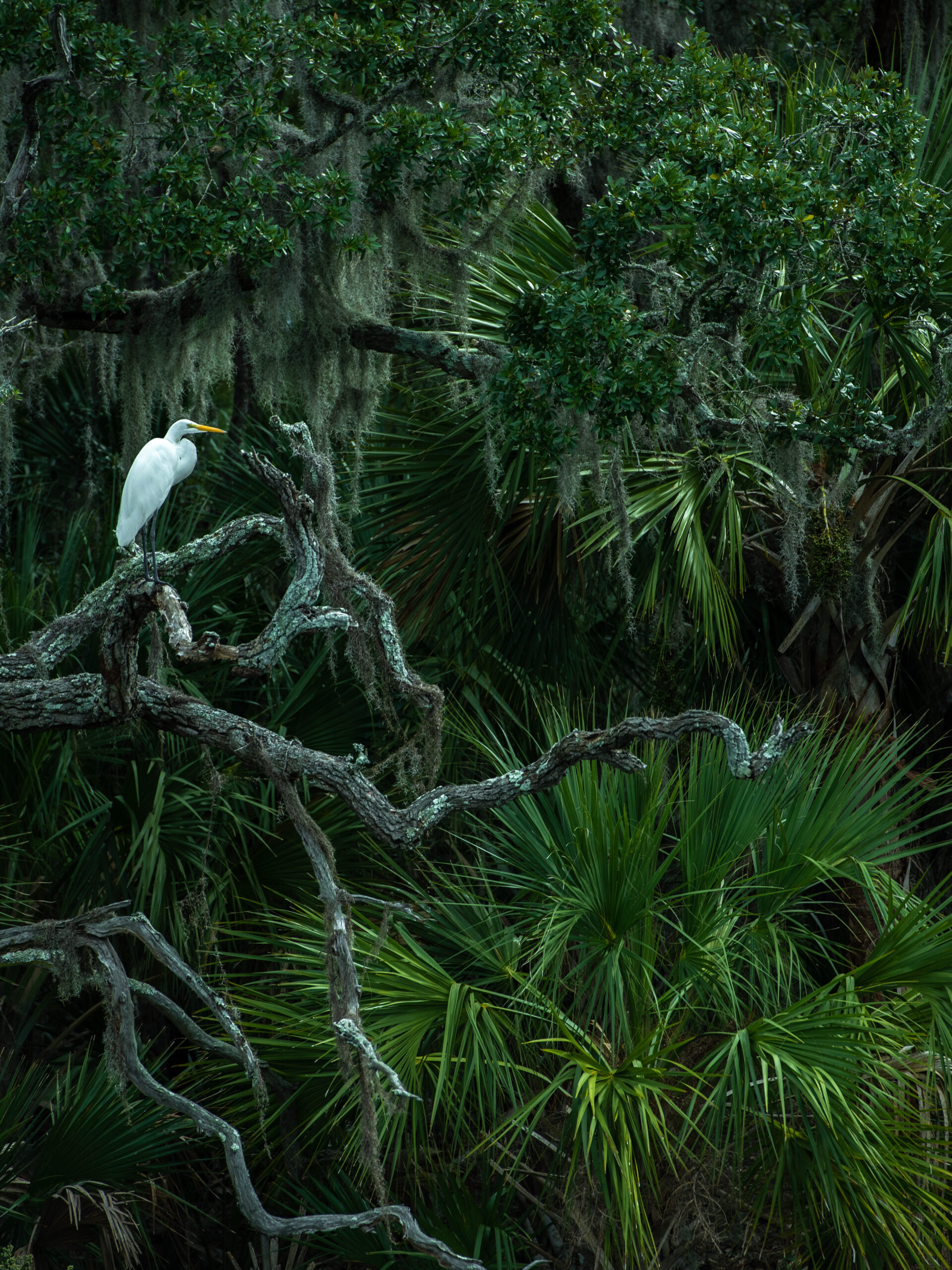
Wetlands are vital ecosystems that support an extraordinary diversity of life, acting as nurseries, feeding grounds, and migratory stopovers.
- They provide critical habitat for the whooping crane, one of North America’s most endangered birds, which relies on shallow wetlands for nesting and foraging.
- The bog turtle, also federally protected, thrives in the mucky, slow-moving waters of wetland bogs where it finds shelter and food.
- Wetlands are also essential for game species like ducks, offering breeding and feeding areas that sustain waterfowl populations for both ecological balance and recreational hunting.
- As part of the Atlantic flyway, these habitats also host hundreds of species of migratory birds. Even carnivorous plants, such as pitcher plants and sundews, flourish in nutrient-poor wetland soils, showcasing the unique adaptations found in these rich and irreplaceable environments.
Longleaf pine
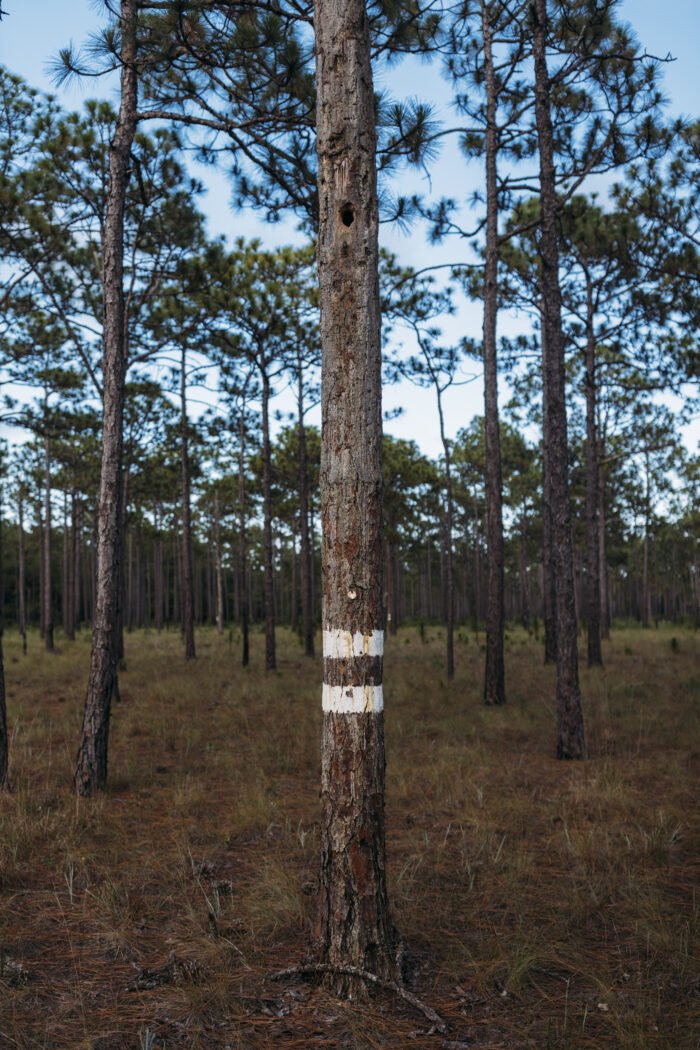
Longleaf pine habitats are among the most biologically rich ecosystems in North America, providing essential refuge for a wide array of species.
- These forests support the red-cockaded woodpecker, a federally threatened bird that nests exclusively in mature longleaf pines.
- The gopher tortoise, also threatened in western Alabama, relies on the sandy soils of these habitats to dig burrows that shelter hundreds of other species.
- Game species like the bobwhite quail thrive in the open understory maintained by periodic fires, making these habitats vital for both conservation and recreation.
- In the southern reaches of Alabama and Georgia, the elusive eastern indigo snake finds critical shelter and hunting grounds among the pine savannas.
- Even the Venus fly trap, a carnivorous plant endemic to the Carolinas, flourishes in the moist, sunny openings created by the longleaf pine’s unique ecology.
A healthy environment for all
An unlawful regulatory shift like the one our government is planning to pull could affect the health of all ecosystems.
It would be a death sentence for imperiled species and at-risk habitats, also harming common species including our most iconic southern wildlife. Preserving their homes is key to maintaining biodiversity and ecological resilience across the region.
People and wildlife depend on a healthy and safe environment. If securing that for America is not on the Trump administration’s agenda, what is?