Dominion’s Chesterfield gas plant proposal in the spotlight
Dominion Energy has long dominated Chesterfield County and Virginia’s energy landscape, leaving behind coal ash ponds, pollution, and generations of community health concerns. After retiring its last coal units in the county in 2023, the company now seeks to build a massive 944 MW methane gas plant on the same site.
What has always been done is no longer good enough.
Rachel James, Staff Attorney
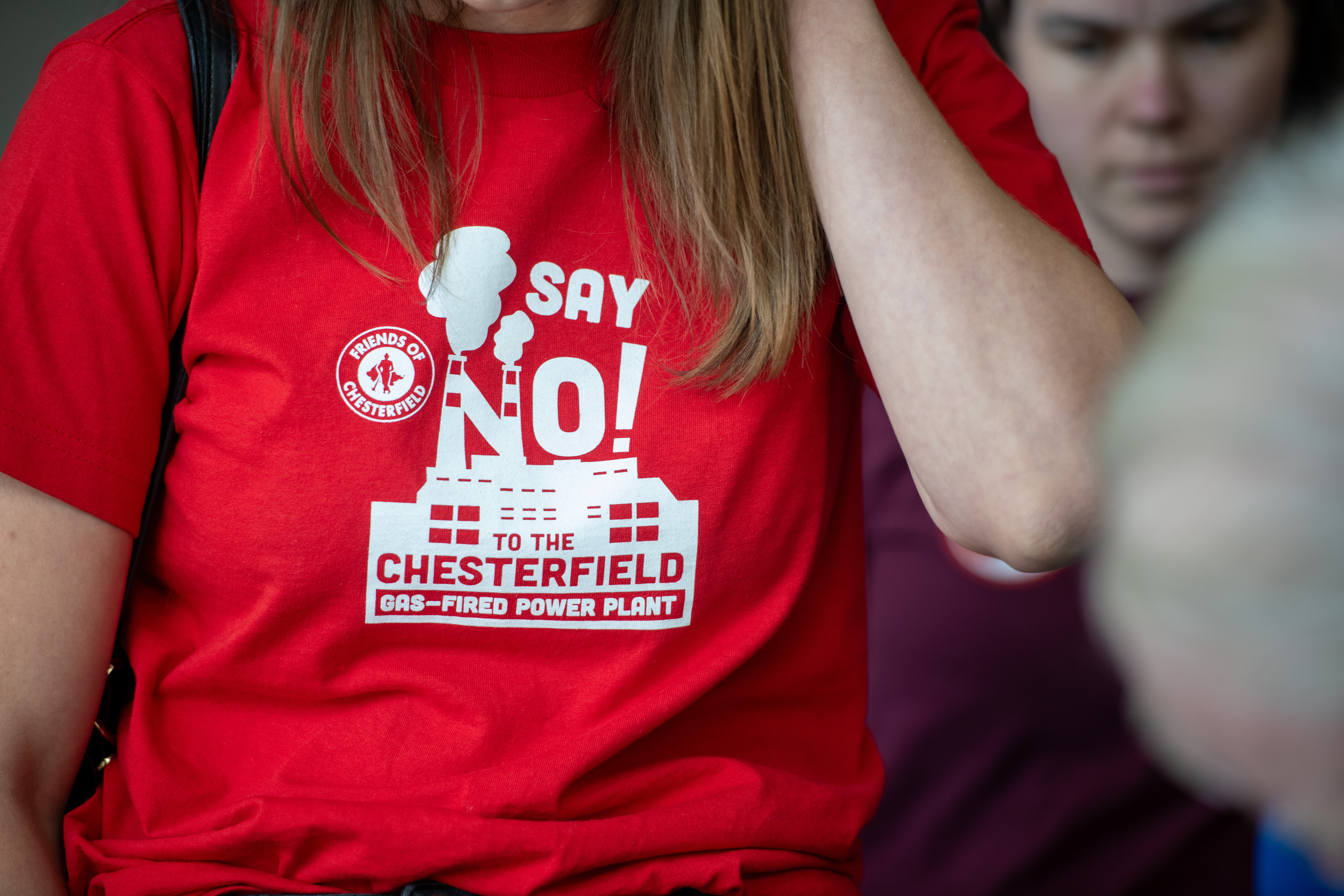
The proposed Chesterfield Energy Reliability Center depends on Dominion securing a Certificate of Public Convenience and Necessity (CPCN) from the State Corporation Commission (SCC).
This certificate is a legal permit that utilities must obtain to demonstrate that a new facility is both necessary and in the public’s interest. But Dominion faces an extra burden in this CPCN proceeding.
Because Dominion has not met Virginia’s energy efficiency targets, the company can only obtain a certificate for a new fossil-fuel facility if it shows an immediate threat to reliability.
Experts, community groups, and SELC attorneys all agree that Dominion’s project contradicts Virginia’s clean energy laws, risks locking the state into decades of pollution, and imposes billions in costs while cleaner solutions remain available.
On the ground: Community pushback
For many in Chesterfield, history is repeating itself.
The proposed plant would be surrounded by communities already living with the legacy of coal ash and industrial pollution. It would sit on the site of a former coal-fired power plant that operated for over 70 years. The county already hosts 11 facilities with Title V air pollution permits, and fence line communities continue to live with the legacy of coal operations.
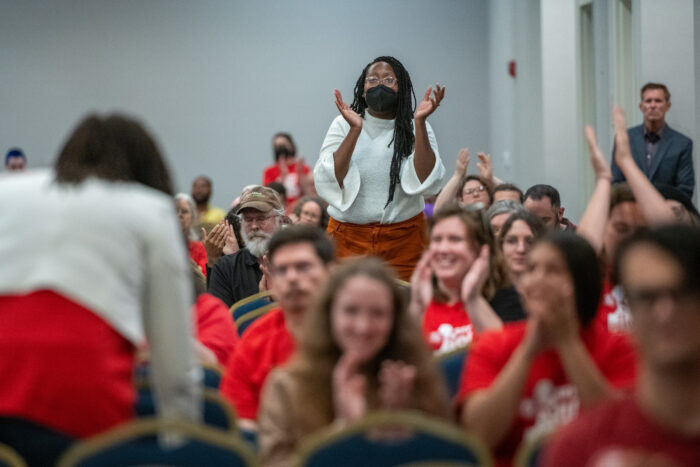
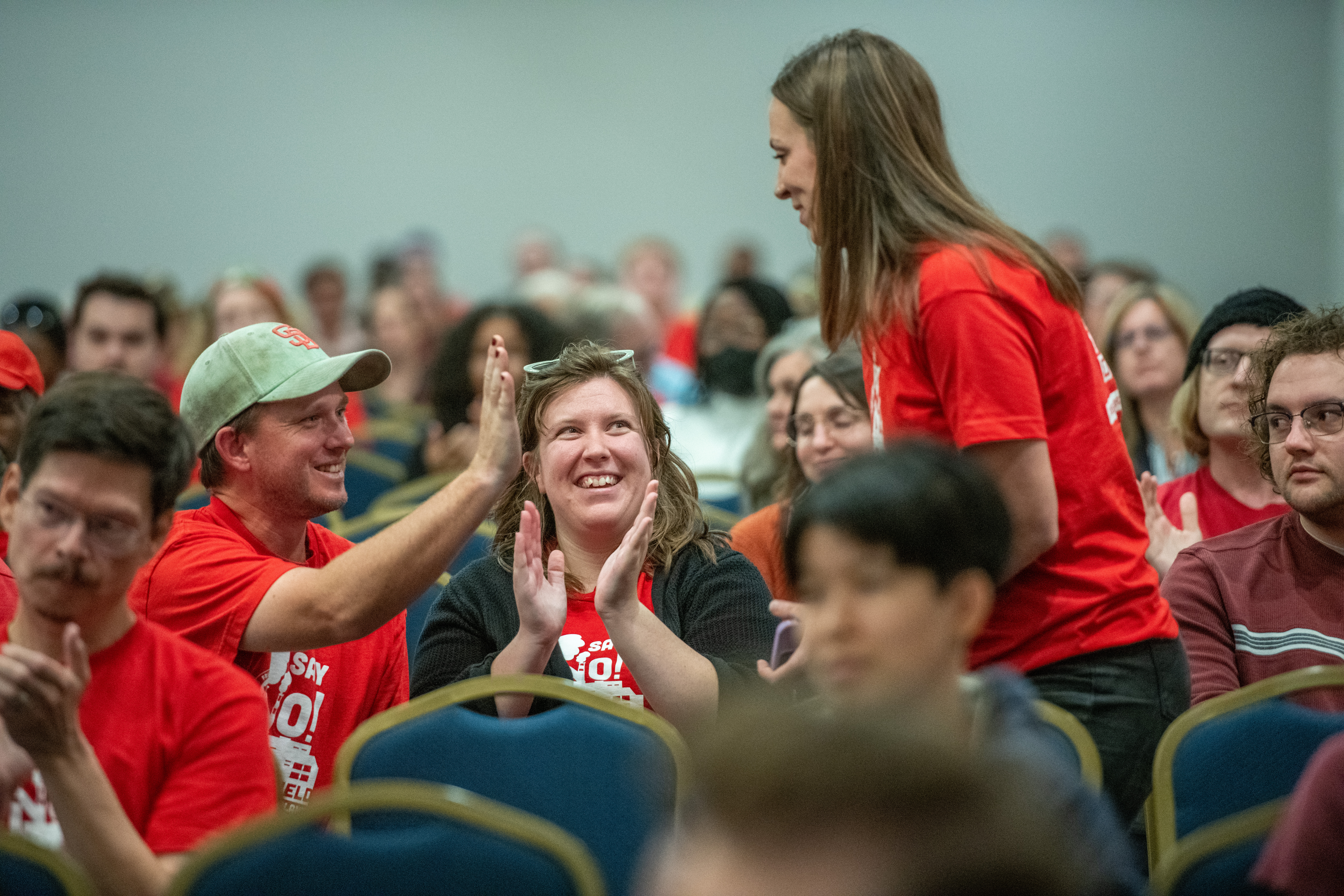
Community frustration is clear. After decades of pollution, residents finally have a chance to be rid of unnecessary pollutants, yet Dominion is proposing a new threat to their health.
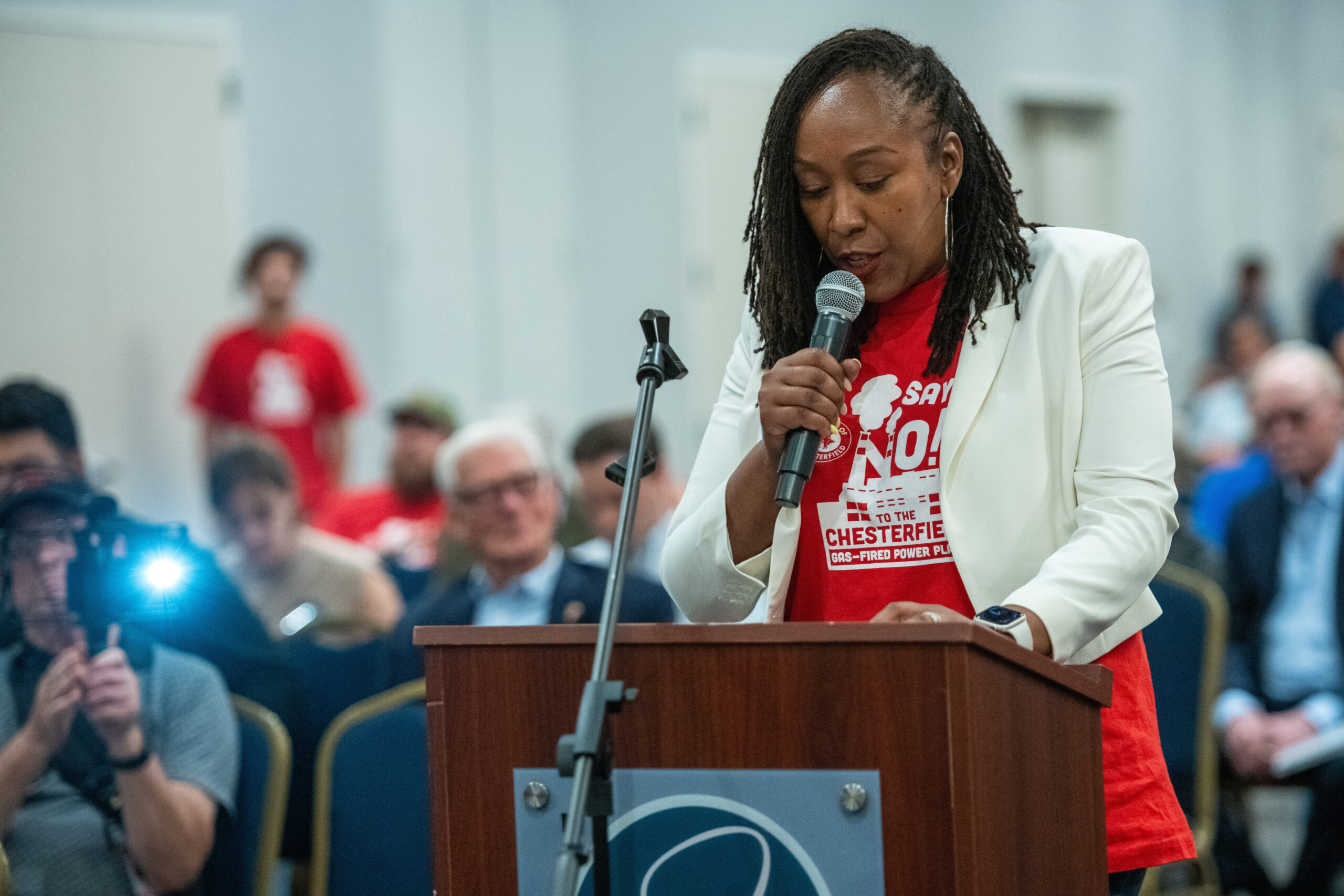
Nicole Martin is president of the Chesterfield NAACP and has been advocating against the gas plant since early on in the process.
SELC is intervening in the CPCN docket at the SCC on behalf of her group, along with Appalachian Voices and Mothers Out Front.
“Dominion claims that without this massive power plant, Chesterfield homes will face blackouts,” said Martin. “In reality, Virginia can meet its energy needs without building a new plant — the company is simply choosing profit-driven alternatives instead of cleaner, more reliable solutions.”
Dominion’s request contradicts state law
Now is the time that the state and Dominion should be accelerating its clean energy transition, yet Dominion continues to fall short on its efficiency requirements — thus failing to do all it reasonably can to reduce the amount of load it needs to serve.
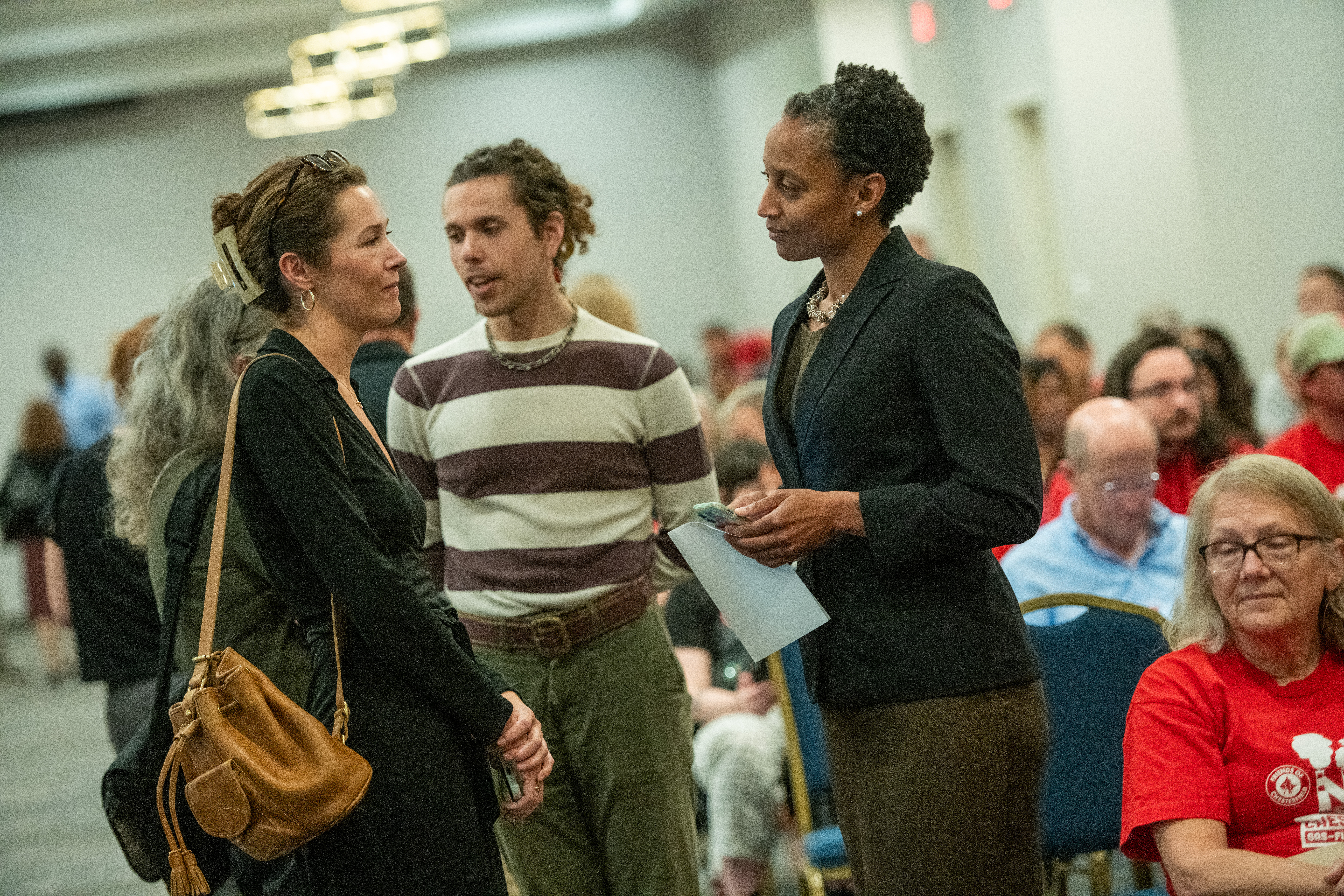
The CPCN process is meant to ensure utilities prove that new projects are necessary and in the public interest, but Dominion has not met that standard. Despite all of this, Dominion still wants to build six new gas plants, beginning with the one it is proposing in Chesterfield. Doing so would drastically undermine Virginia’s recent efforts to transition to clean energy sources.
Because Dominion has not met its efficiency targets, it also must prove there’s a genuine threat to grid reliability to build a new fossil fuel facility. While recent data center load growth has presented new challenges for the grid, the company has still not evaluated the most efficient ways to serve new, large load customers, including load flexibility and storage.
DEQ air permit still pending
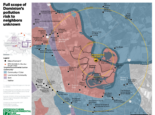
In addition to SCC approval, Dominion must also secure an air pollution permit from the Virginia Department of Environmental Quality (DEQ). The utility’s initial application relied on data collected from monitors well outside of the plant location and the surrounding communities.
Advocates argued that DEQ should require Dominion to use onsite monitoring and establish an impact area with at least a three-mile radius for the surrounding communities to better reflect the air that residents near the plant are actually breathing. Dominion has expanded to a 3 mile radius. Recent data shows that radius should be expanded beyond that area for PM2.5.
Real change is needed now to stop poisoning communities and to tackle climate change at the same time.
Rachel James, Staff Attorney
Without accurate monitoring, Chesterfield residents could once again bear the brunt of pollution. Dr. Loren Hopkins — a member of the National Environmental Justice Advisory Council and Chief Environmental Science Officer for the Houston Health Department — has warned that this approach fails to capture the true risks for nearby communities. Dr. Hopkins noted that PM2.5, one of the most dangerous pollutants the plant would emit, signals an increased need to accurately evaluate health impacts.
The comment period for the DEQ permit was recently extended to October 23 and a second public hearing was scheduled for October 8. Local Chesterfield decisionmakers, residents, and advocacy groups showed up to oppose the proposed gas plant and ask DEQ to deny the air permit during a September 8 public hearing.
The stakes: Health and wealth
Building a new gas plant in Chesterfield would increase the following:
- Fine particle pollution (PM2.5): Linked to asthma, heart disease, stroke, and premature death.
- Volatile organic compounds (VOCs): Harms the lungs and central nervous system, with children and the elderly being most vulnerable.
- Chesterfield’s plant pollutants: Fine particulate matter (PM2.5), carbon monoxide (CO), volatile organic compounds (VOCs), and greenhouse gases (GHGs) are the main pollutants Dominion is seeking approval to release at higher levels than those from the previous coal plant. Carbon monoxide and PM2.5, in particular, are expected to exceed the coal plant’s emissions, posing serious risks to local air quality and community health.
This project comes with a hefty cost of $4.5 billion for construction and $3.5 billion for volatile fuel costs. These costs make ratepayers and residents vulnerable to the following:
- Ratepayer risk: Customers would bear 100 percent fuel price spikes, which have caused billion-dollar increases in recent years.
- Health toll: From asthma attacks to hospital visits, an estimated $88.5 million per year totals nearly $3.2 billion over the plant’s lifetime.
By contrast, meeting Virginia’s zero-carbon requirement by 2045 with clean energy alternatives like renewables and storage could save Virginians $3.5 billion each year in avoided fuel costs.
Dirty and unnecessary
Dominion claims the plant is needed for reliability, citing data center growth. But according to leading market analysts with the London Economics Institute and other independent experts, many proposed data centers may never be built — undermining the case for decades of new fossil fuel costs and pollution.
Renewables, battery storage, demand-response and stronger energy efficiency programs could reliably meet Virginia’s future power needs. These options would not only avoid billions in volatile fuel costs but also keep the Commonwealth on track to reach its 2045 zero-carbon goals.
SELC staff attorney Emma Clancy is part of the SELC team leading the work at the SCC.
“In a world where there are more clean technologies available than ever before and access to highly sophisticated system planning software, there is no excuse for poor planning that falls back on gas resources and ignores the efficient, cost-effective solutions in today’s market. But that’s precisely what Dominion’s application does,” she said.
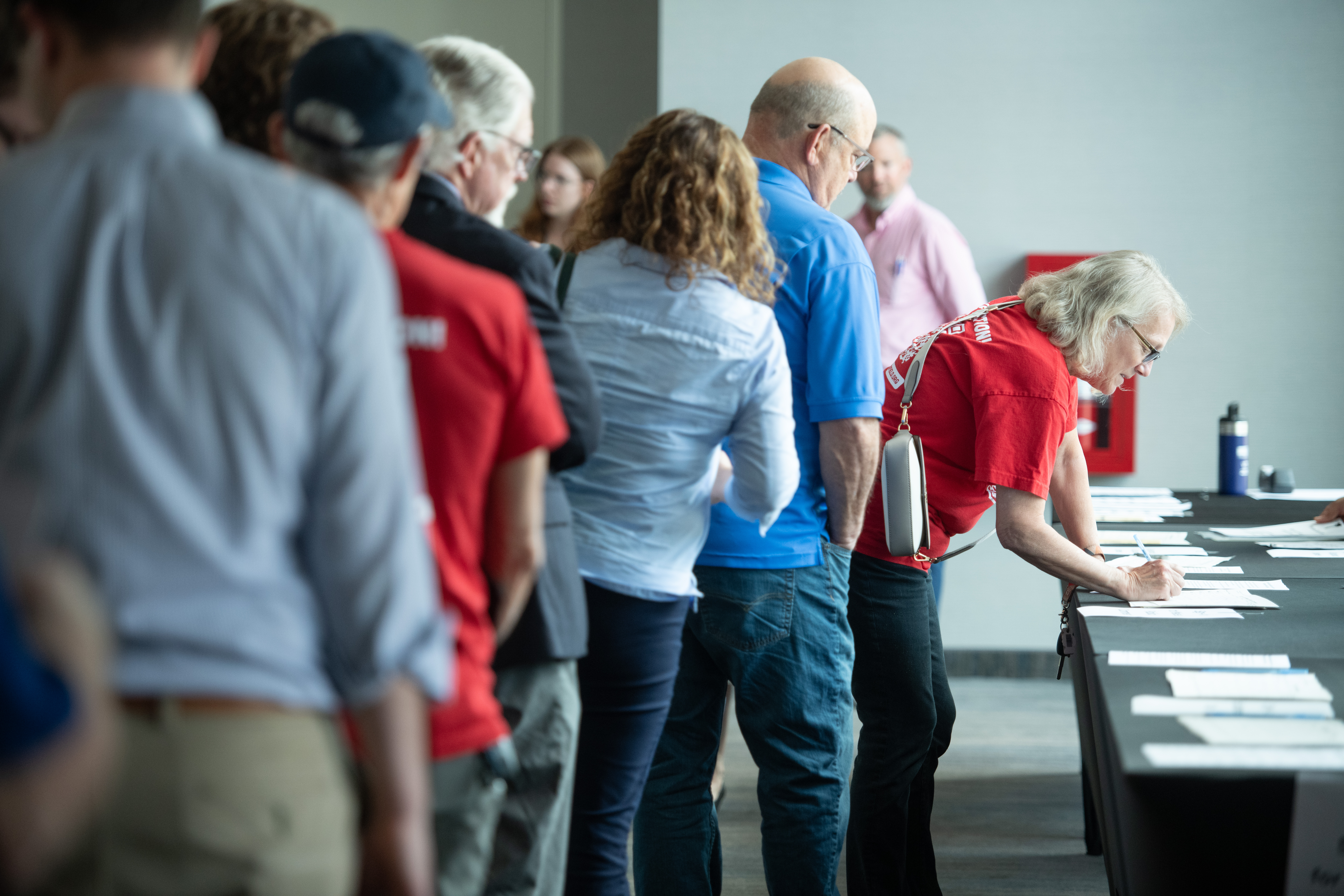
The SCC will now decide whether Dominion has proven this plant is truly necessary — or whether Virginians are better served by cleaner, community-driven solutions.
The Chesterfield proposal is just the first of the six new gas plants Dominion wants to build across Virginia. Approving it would set a dangerous precedent, undermine the state’s clean energy commitments, and lock residents into decades of pollution and higher bills.
For Chesterfield residents, the story is familiar: Dominion profits, while communities pay with their health, environment, and wallets. SELC, residents, and community advocates are urging regulators to reject Dominion’s CPCN request.
“What has always been done is no longer good enough,” said Staff Attorney Rachel James. “Real change is needed now to stop poisoning communities and to tackle climate change at the same time.”
To some extent, community concerns may be being heard. While the SCC approved Dominion’s CPCN in an order issued on November 25, 2025, a few weeks later in December the state regulator granted reconsideration of the final order. The order is now suspended pending the SCC ruling on the merits of a petition SELC filed December 15 on behalf of Appalachian Voices, the Chesterfield NAACP, and Mothers Out Front.
Separately, DEQ approved Dominion Energy’s air pollution application for the gas plant in December as well.