
Coal country is facing climate change
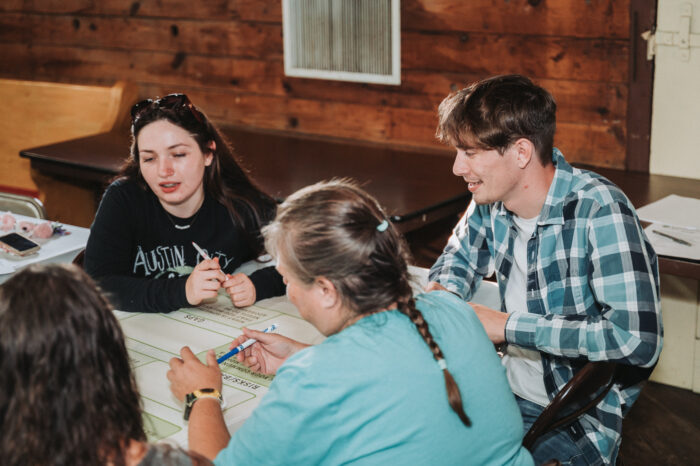
In February, Emma Kelly had to deliver some tough news to folks in the rural South. The funding they were promised to make their community stronger in the face of climate change had been yanked away by the Trump administration.
Around $3 billion dollars of environmental and climate justice projects funded by the federal government are at a standstill in communities across the country while the government has terminated the funding and refuses to release the money it owes them.
These are the same places where climate change is causing natural disasters and extreme flooding to become more frequent and severe. Some people where progress is stalled say they feel “naive,” “let down,” and, “betrayed” for just another broken promise of change.
In our region, that includes generations of people who are still recovering from the cumulative health and environmental impacts of life on the frontlines of the coal mining industry.
SELC is part of a major class action lawsuit to:
- Hold our government accountable,
- Release $3 billion back into communities facing the worst climate threats, and
- Try our best to do right by the people our organization was built to protect.
This is our third major lawsuit against this Trump administration.
“Communities throughout the South and across the country are suffering,” says Ben Grillot, a senior attorney with SELC. “Overturning Congress’s decision to fund this work violates our constitution’s separation of powers, and it was done for no good reason — simply because the president and the Environmental Protection Agency don’t like these congressionally mandated priorities.”
Showing up for ‘coal country’
We know climate change disproportionately affects rural areas, communities of color, and places where residents have less wealth. We also know our government and environmental advocacy groups haven’t always listened to what these communities need.
“But focusing our resources on protecting the people in places most threatened by climate change is a chance to do better,” adds Grillot, a leading lawyer on the case.
EPA created the historic Environmental and Climate Justice Block grant programs in 2022 to level the playing field when it comes to who gets to prepare for climate change. SELC’s class action suit seeks widespread relief for those impacted by cancellation of this funding.
One of the clients we’re representing in the case is nonprofit Appalachian Voices, which received $500,000 in grant funding to support future efforts like building resilience hubs that provide a safe place to stay during extreme weather, and upgrading stormwater infrastructure in communities across rural Appalachia and southwest Virginia. This is one of the regions where people report feeling like their already fragile trust was betrayed.
Especially in our neck of the woods. This is coal country.
Emma Kelly, Appalachian Voices
The legacy of coal mining
Living in the furthest county west in the state of Virginia, she notes the area’s makeup of, “largely folks who put their bodies on the line doing coal mining and other hard, blue-collar industrial work that has benefitted the rest of the country.”
Kelly adds, “We are now struggling with the legacy of that.”
One of the stalled community projects is a monument to their hard labor and sacrifice in Pound, Virginia, where the employment rate is currently 33 percent, according to the latest U.S. Census Bureau data.
In Lee County where Kelly lives, that number is 38 percent.
While coal has powered industrial revolutions, it has also left workers sick and without jobs. It has scarred and polluted their landscapes and water sources. The industry’s decline has lead to unstable economies in many former coal-mining communities.
Part of what makes the climate justice projects here community-led are the listening sessions Appalachian Voices hosted in five communities to learn what the locals want when it comes to making their communities stronger in the face of increasing extreme weather.
“We got the news on a Saturday, right before the second round of those listening sessions kicked off,” describes Kelly. “The next week we had to go to Clinchco, into a room full of community members who had given their time and were invested in this process, and say, ‘Sorry, actually, the grants have been terminated and this supposedly very stable source of funding will not be coming.’”
Shovel ready
The five communities Appalachian Voices represents in our class action lawsuit were each promised $40,000 to support the initial stages of various climate justice plans. The Virginia localities and projects include:
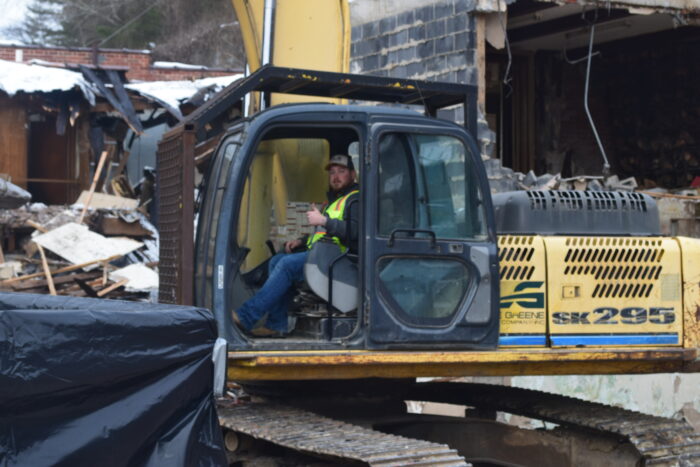
- Clinchco: A resilience hub to provide safe shelter during emergencies and updated green stormwater infrastructure in empty town lots.
- Dungannon: Another resilience hub, plus the incorporation of nature-based infrastructure like trees and wetland walks to not only mitigate stormwater damages, but also provide shade and habitat during extremely hot weather.
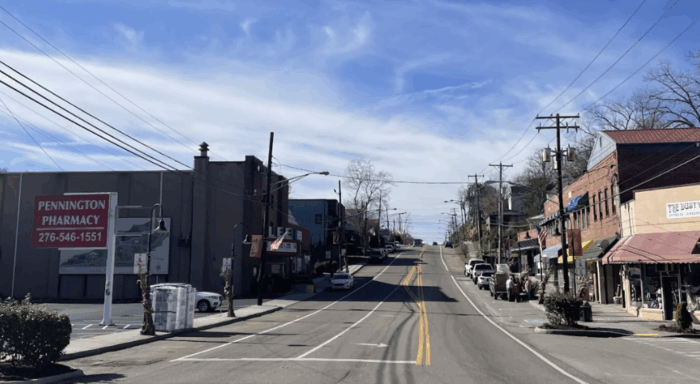
- Pennington Gap: Demolition of an asbestos-ridden abandoned building and big impervious parking lot located along a riverbank that contributes to flooding in the surrounding area. The ultimate goal is to landscape the lot with stormwater storage and stabilize the riverbank.
- Pound: A ‘pocket park,’ ‘riverwalk,’ community stage, and labor monument that center green space and unity.
- Dante: A resilience hub is also to be established here.
The New Economy team at Appalachian Voices is calling their overall effort The Community Strong Project. Their EPA grants are for “soft costs,” or permitting and building fees, insurance, inspections, and other necessary expenses for getting any project “shovel ready.”
The organization intends to apply for additional grants to fund construction materials and implementation through a separate application process. Residents also hope to make ‘resiliency toolkits’ to highlight successful strategies of localities like theirs, share knowledge, and scale their impact.
Some people say that isn’t a lot of money, but for us, it’s the difference between sinking or swimming.
Emma Kelly, Appalachian Voices
“People got excited,” Kelly shares. “There was a feasible path forward to seeing real change at a time we really need it. It keeps flooding, we keep having landslides, and this was some real momentum. People feel like they were naive to trust in this process.”
Appalachian Voices is just one of approximately 350 grant recipients who signed onto the class action suit with stories of stalled projects and similar disappointment.
‘These projects aren’t dead’
Although everyone deserves protection from climate change, there are currently no replacements for this funding.
“These projects aren’t dead,” says Kelly. “We’re committed to them, but they have probably been set back at least two years. And when we’re talking about disaster mitigation, that’s two years we don’t have.”
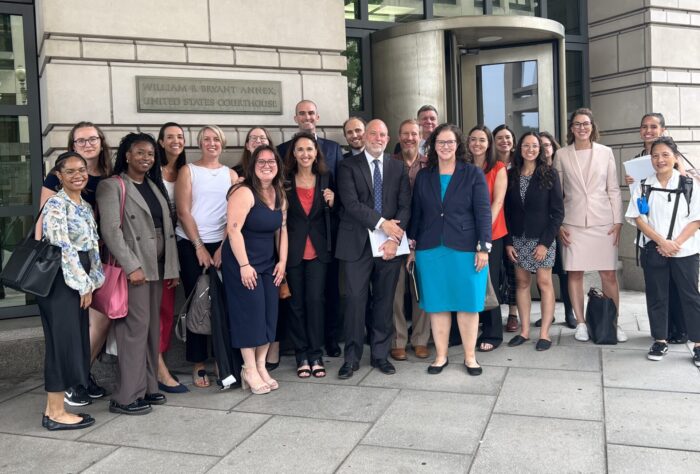
SELC is still in court to get these federal funds flowing back into the places they belong. Last Tuesday in Washington, D.C., groups seeking to have funds restored showed up in full force to support our arguments for a preliminary injunction. We’re hopeful the judge will respond with a decision in our favor soon.
As our client makes it very clear, “We are still in these communities. We’re fighting for them in every way possible.”