

SELC's Magazine
Want to receive the next issue of SELC’s Magazine? Sign up below.
We need our neighbors: Community as a climate solution
Words and photos by Justin Cook
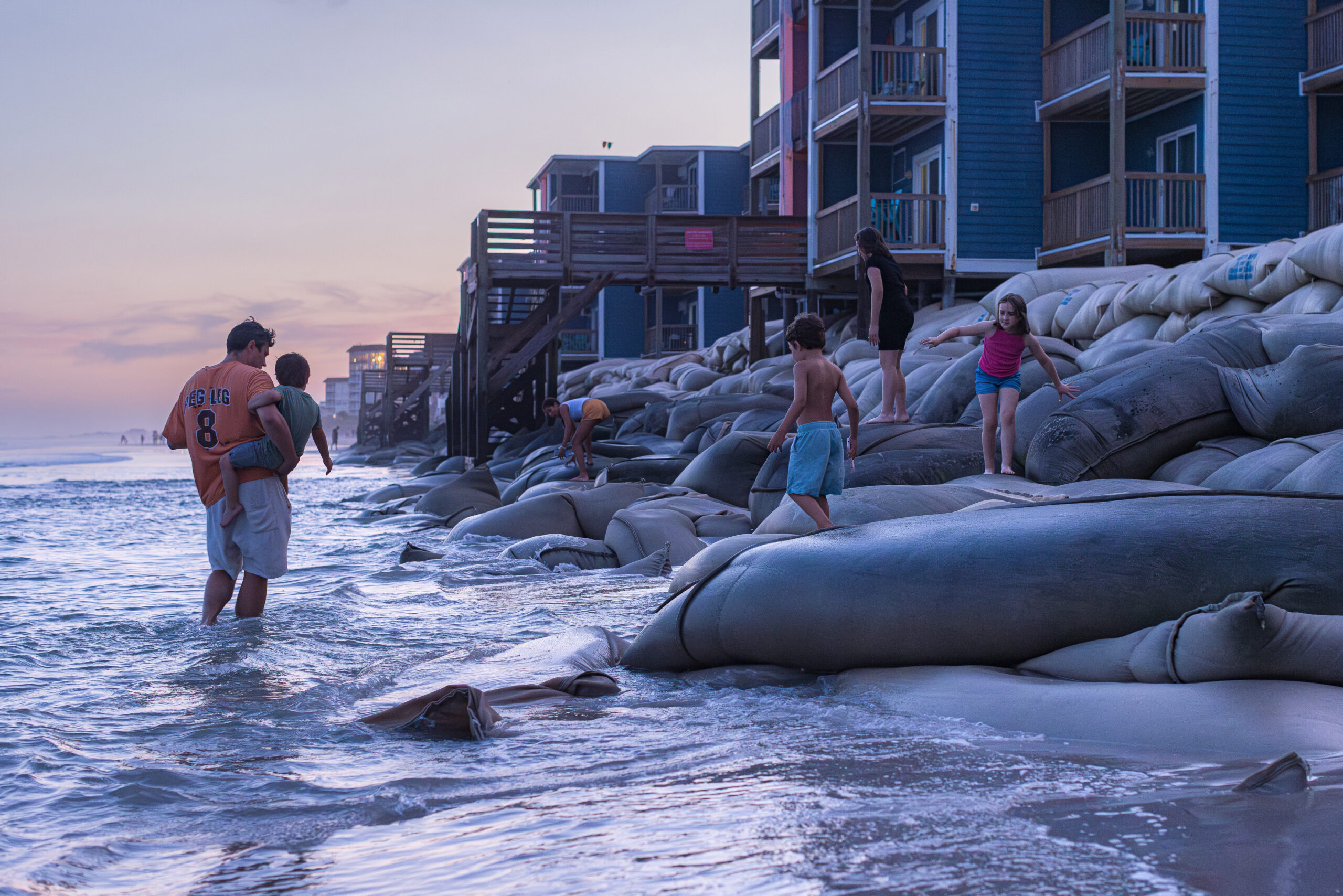
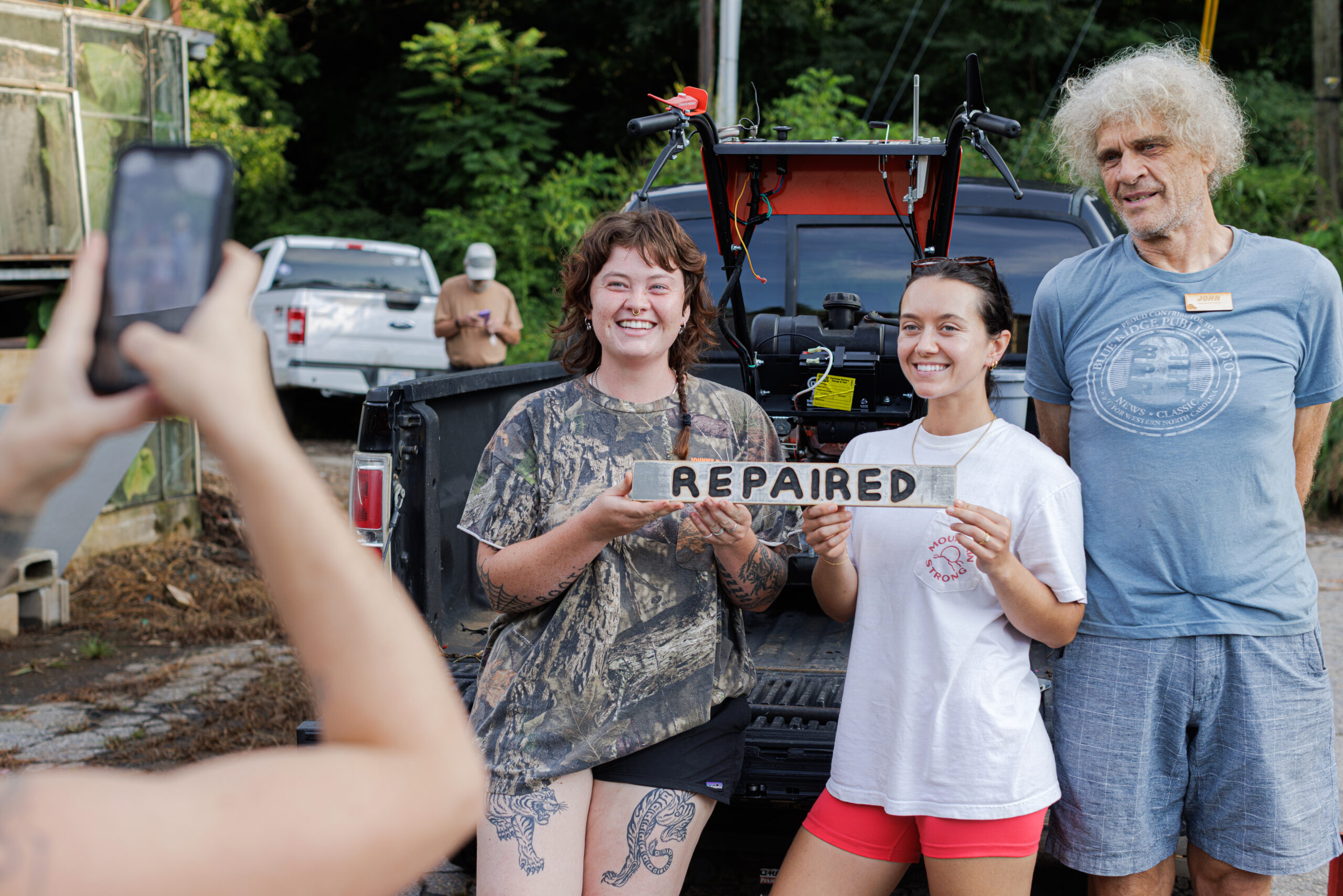
Climate disasters in the South are striking beyond the coasts and coastal plains where they haven’t before, and in their wake, the Trump administration is slashing critical funding communities need to recover. As people far from the centers of power feel increasingly on their own, Southerners are taking matters into their own hands.
In two North Carolina regions, residents who have always had to rely on their neighbors lead by example. North Carolina’s coast is no stranger to Atlantic hurricanes, and climate change is warming our seas, which fuels massive storms that lumber further inland. On one hurricane-licked barrier island, connections grow as locals work to preserve their historic Black neighborhood threatened by climate change and gentrification. Through music and food, they are also building a community ready to respond to the supercharged storms and flooding ahead.
Two hundred miles west in Appalachia, a group of tinkerers, bike mechanics, anarchists, and grandmas good at repairing nearly anything realized their skills were essential to recovery after Hurricane Helene slogged in from the Gulf of Mexico, felled hundreds of trees and knocked out power and water for months. Their lives are forever altered by the storm and, in the year-plus since, they have found healing in each other.
From the coast to the mountain hollers, communities in the South are organizing coalitions that build healthier communities and can create lasting systemic change. The lesson: building a climate-resistant community means putting aside our differences and working together.
The initial print version of this story incorrectly named Carla Torrey as Carla Corey. This editing error has been corrected in the online version and additional printings.
SEEING THE SOUTH
Okefenokee trailblazers: Archiving the legacy of Company 1433
Photos by George McKenzie Jr.
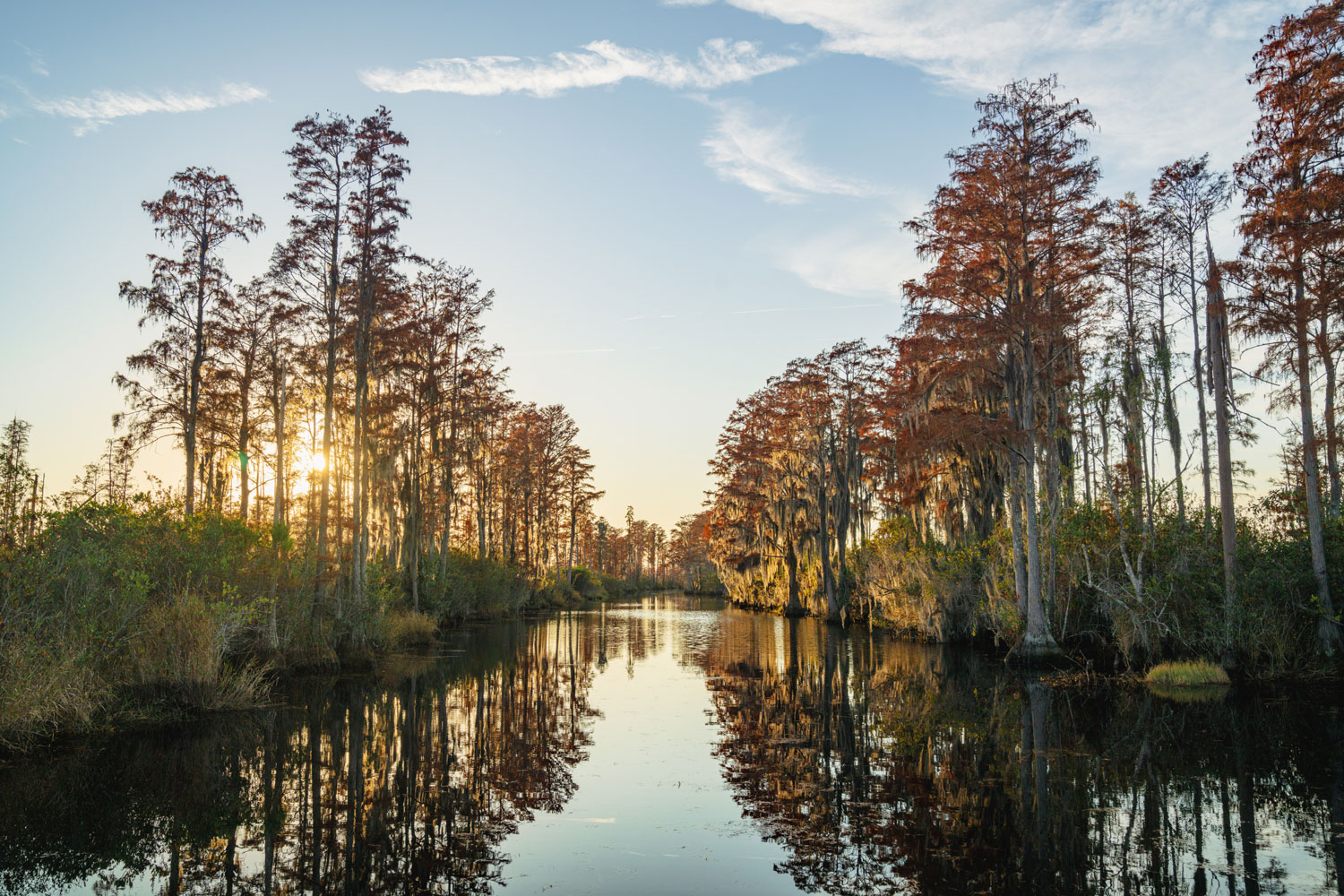
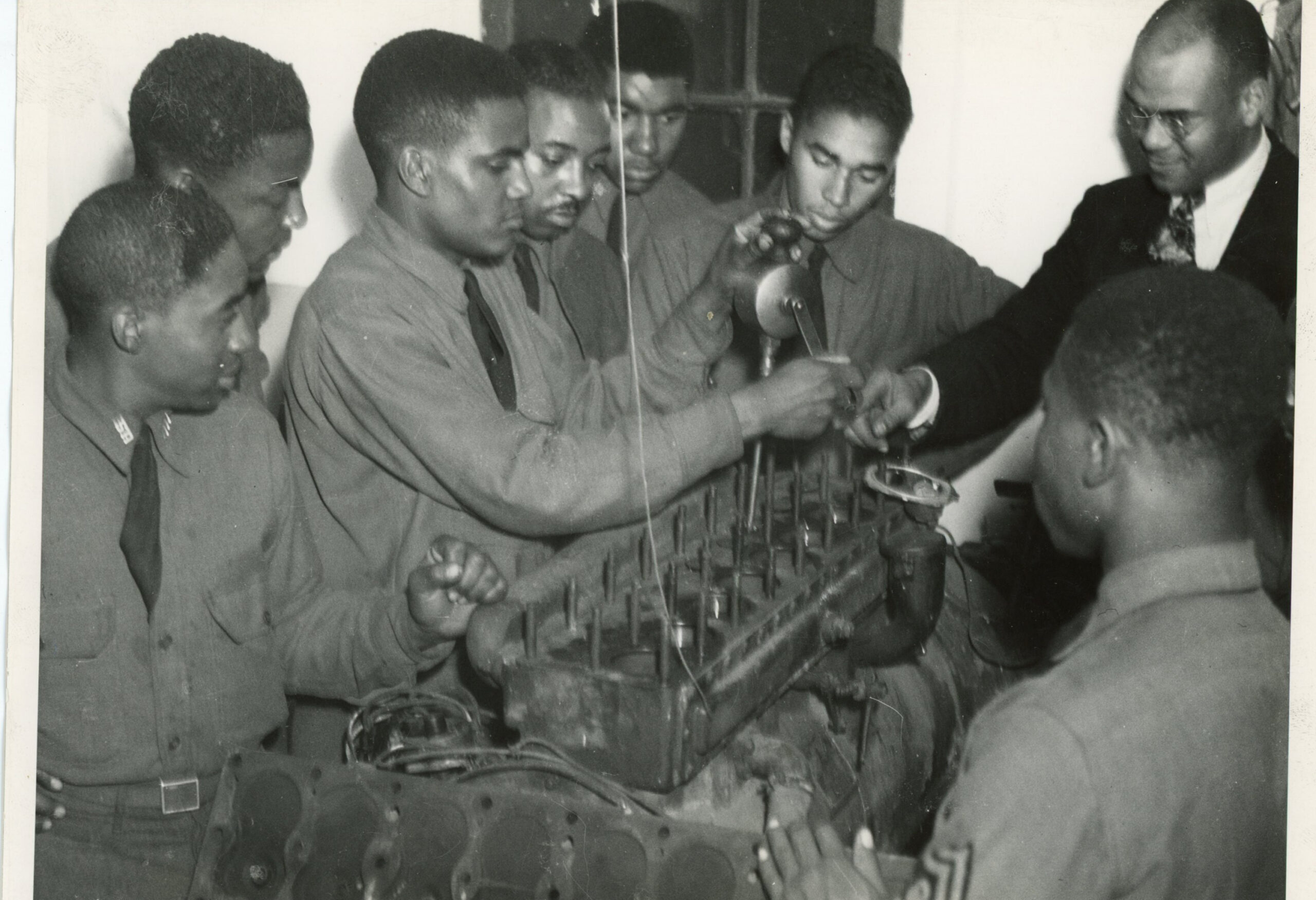
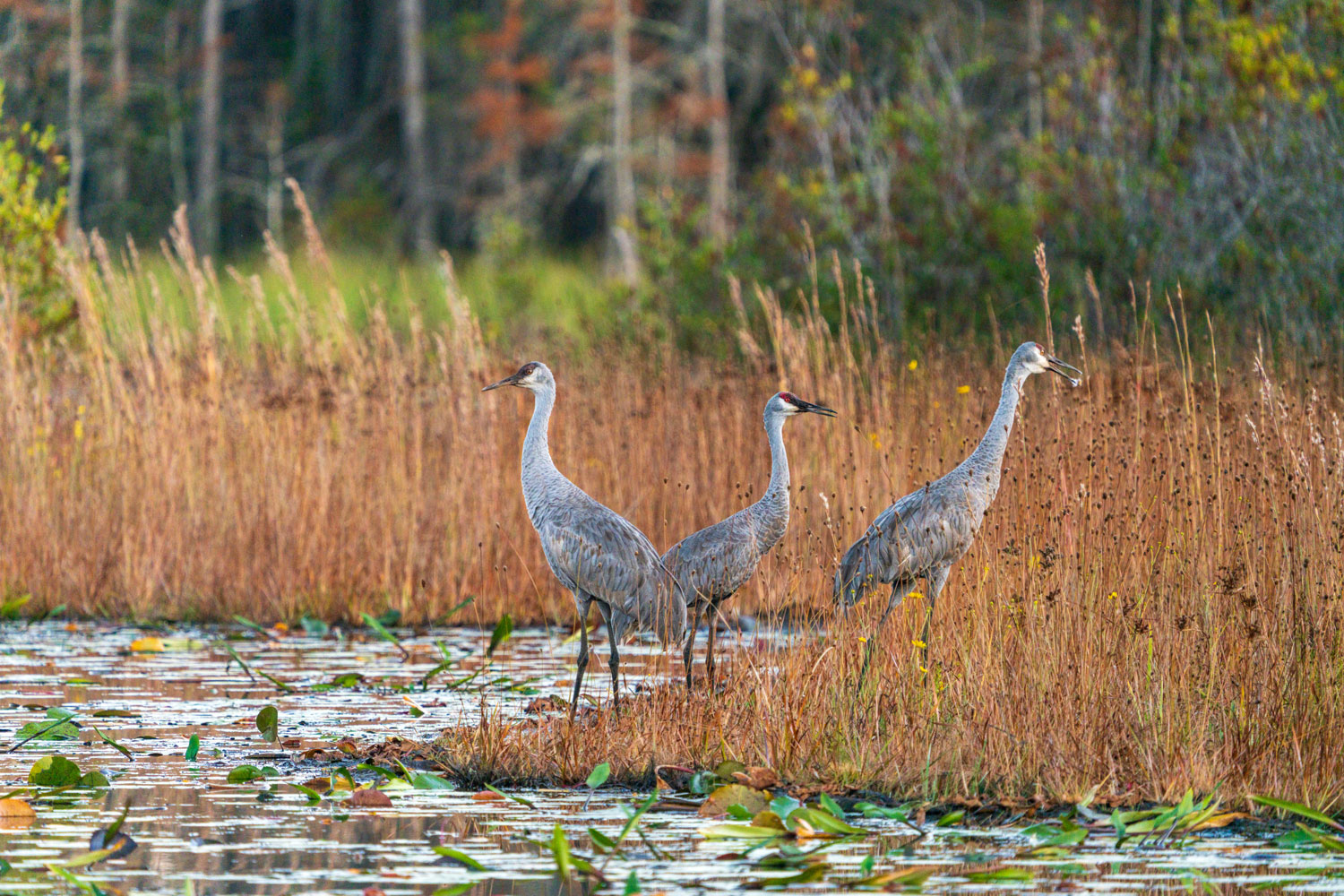
Paddling across the Okefenokee Swamp, a several-day journey through our continent’s largest blackwater swamp, is possible thanks to a vast network of canoe trails. The watery paths were built
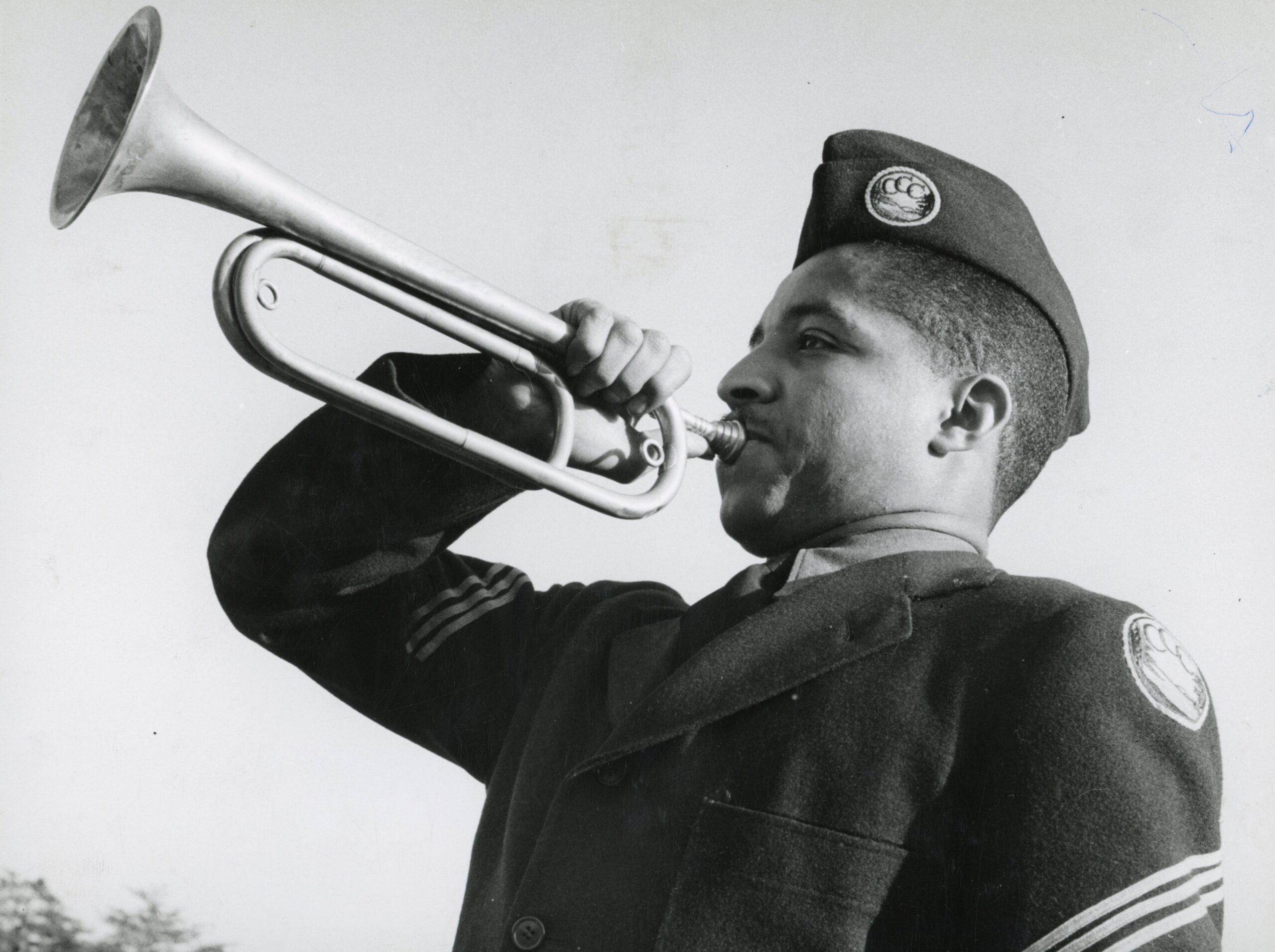
in the 1930s and 1940s by Company 1433, an all-Black unit of the Civilian Conservation Corps (CCC). But up until recently, few people knew anything about Company 1433 and their contributions to the
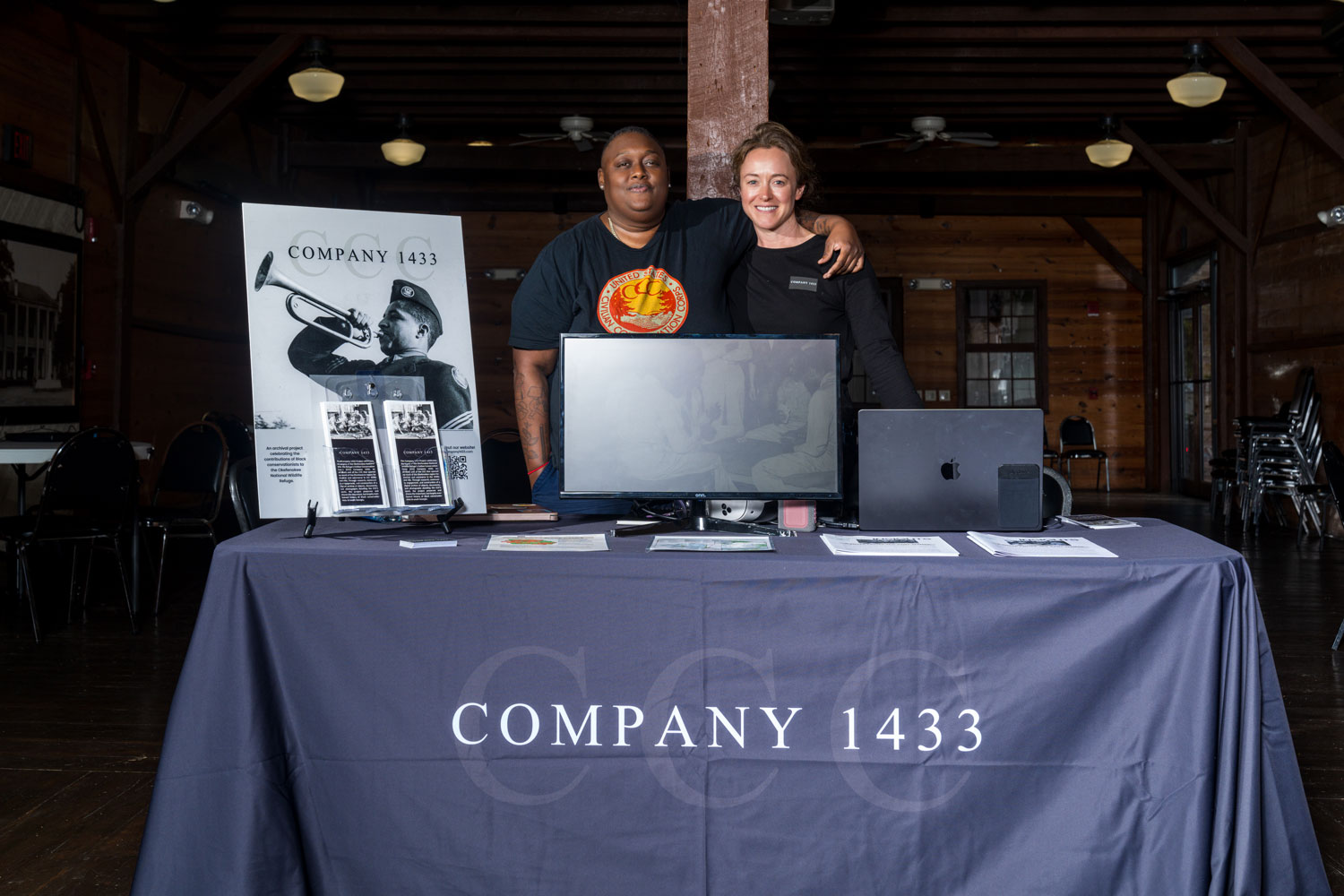
Okefenokee. As a result of their efforts, decades of visitors have witnessed the wonders of this National Wildlife Refuge up close. A new archival project is looking to give these men their rightful place in
the swamp’s history.
Pursuing plastic polluters
By Rachel Chu
Discarded soda bottles, broken plastic ties, empty chip bags are all common finds along any shore; as a society, we have a pervasive plastic pollution problem.
But “nurdles,” or the tiny plastic pellets used as building blocks for plastic items or fillers for products like cornhole bags or stuffed animals, might not come to mind. And they are even harder to spot.
These small plastic beads are one of the most difficult types of plastic pollution to clean up. And they’re commonly found along Charleston, South Carolina’s cherished marshes, beaches, rivers, and creeks.
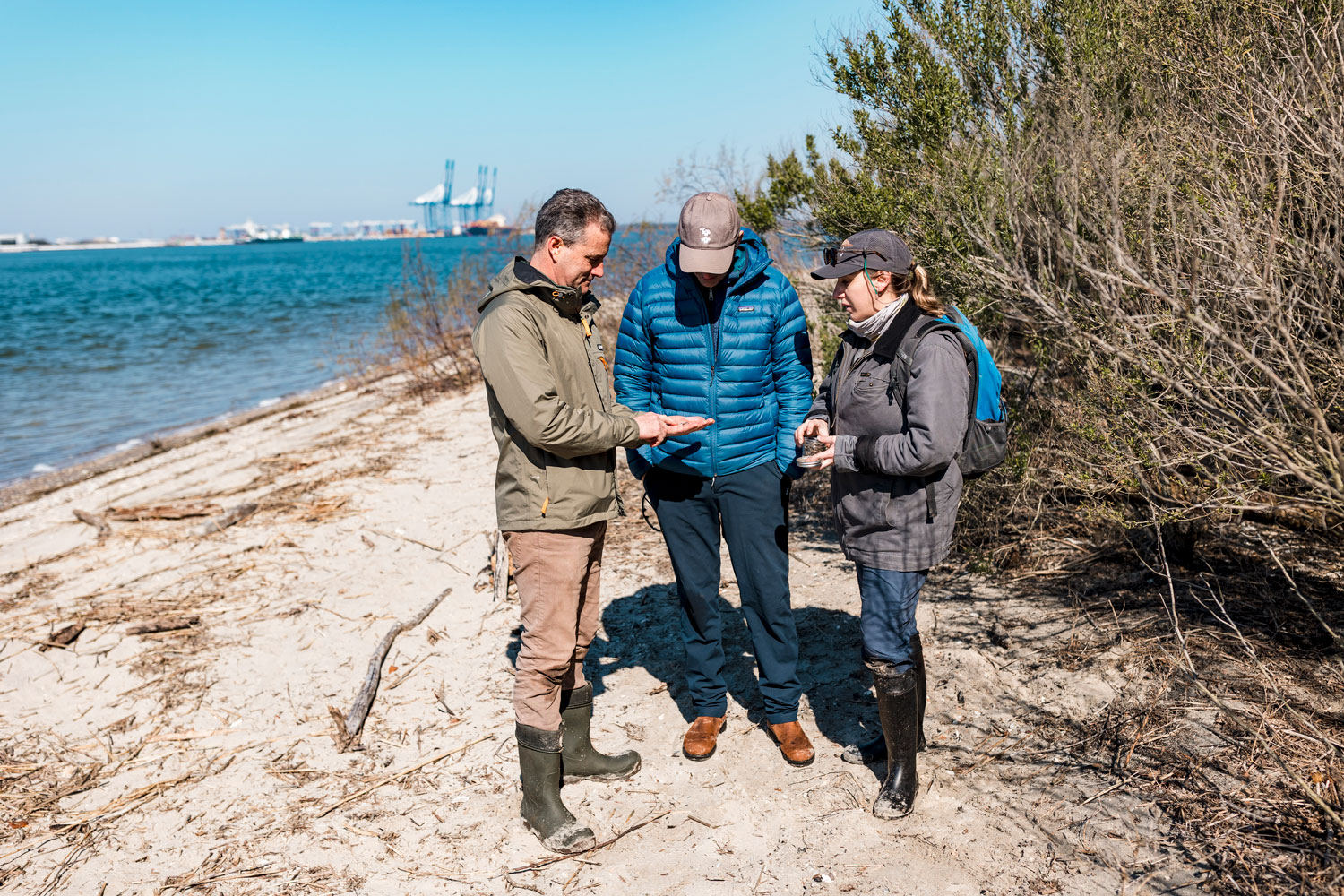
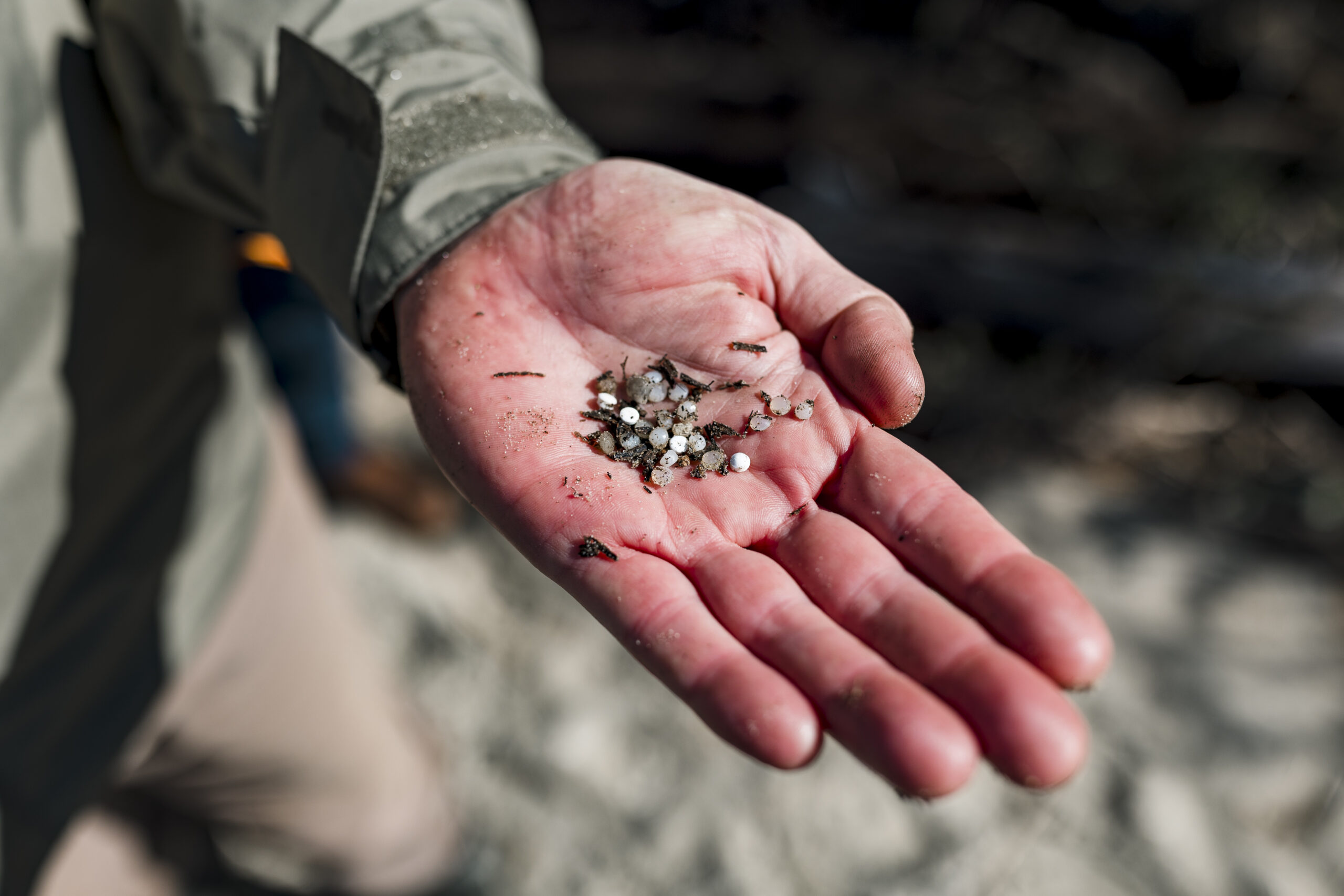
Andrew Wunderley, Charleston’s Waterkeeper, found nurdles scattered along the area’s waterways for years. Then, in 2019, two longtime supporters of the organization alerted him after spotting nurdles strewn all over the beach while walking their dogs on Sullivan’s Island, a barrier island near the Charleston Harbor. And after seeing the pellets for himself along the picturesque shore, Wunderley grew concerned.
“It became very clear that we had a big problem,” he said. “We were finding them everywhere from Cape Romain National Wildlife Refuge to Edisto Island; all the way up the Cooper River, in the Lower Ashley River, even in the Francis Marion National Forest.”
Capturing coal dust: Hampton Roads residents push for change
By Tasha Durrett
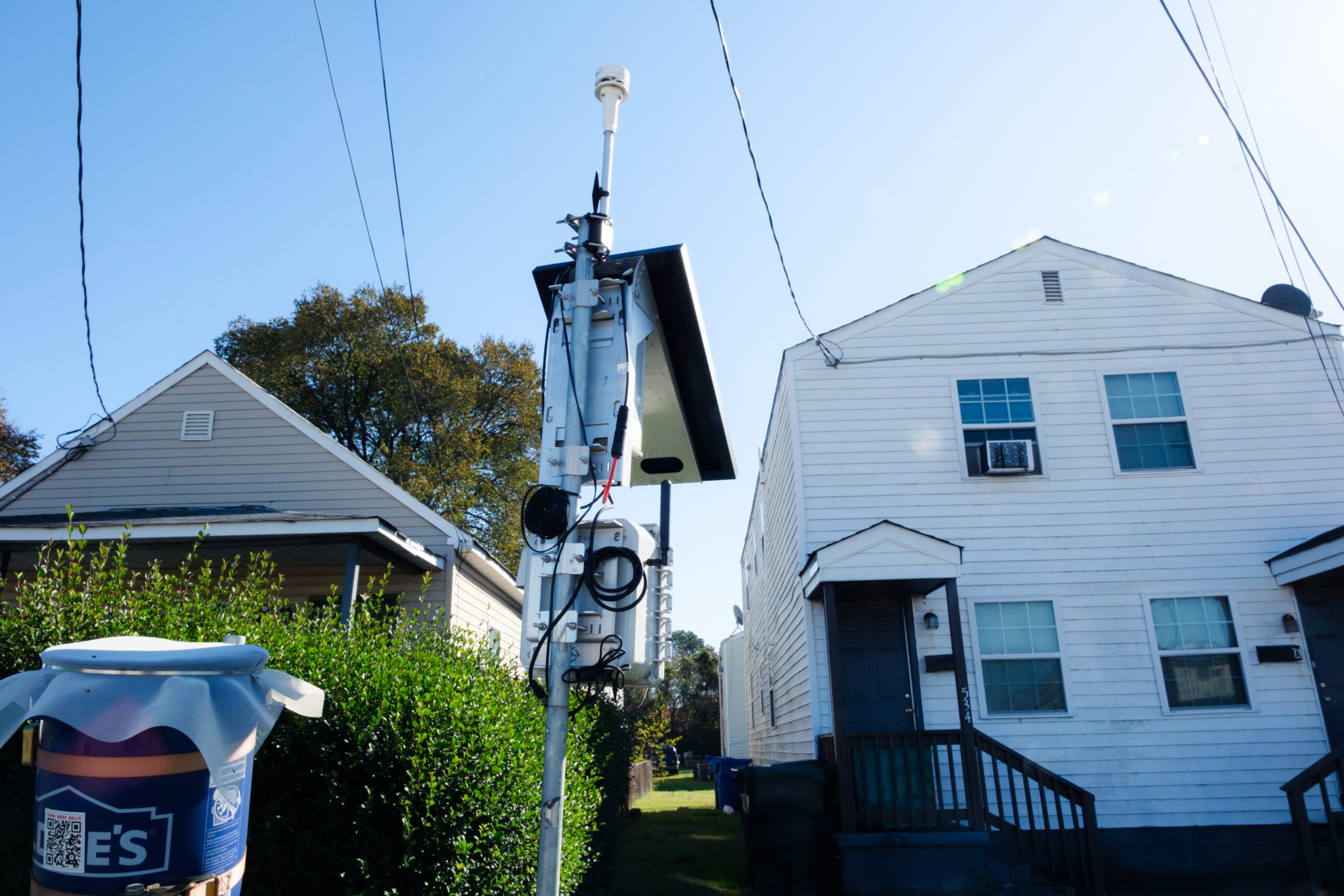
The Hampton Roads area of Virginia is seen by many as the heart and soul of the state, with a long list of superlatives to support that claim. It is home to generations of musical geniuses from jazz singer Ella Fitzgerald to songwriter and producer Pharrell Williams. Old Point Comfort in Hampton is where the first enslaved Africans arrived in the colonies.
This sprawling metropolis at the mouth of the Chesapeake — which includes Virginia Beach, Norfolk, Newport News, Hampton, Portsmouth, Chesapeake, Suffolk, and Williamsburg — is also home to one of the commonwealth’s most longstanding environmental injustices: open air terminals storing and transferring mountains of uncovered coal that generate a thick toxic dust found coating area homes, swing sets, and cars.
Turning community concern into a fight for clean air
By B. Sunni Hickman
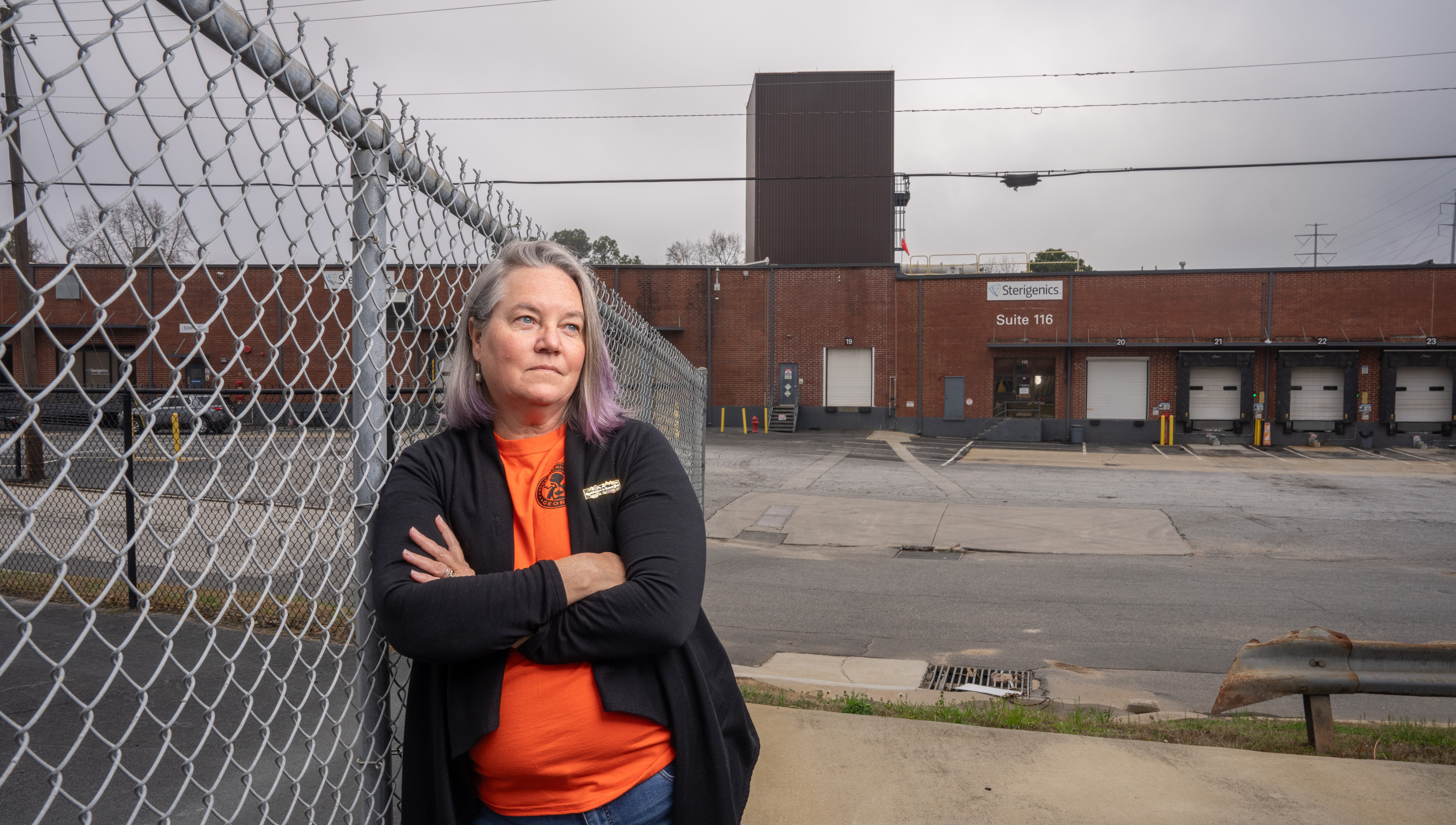
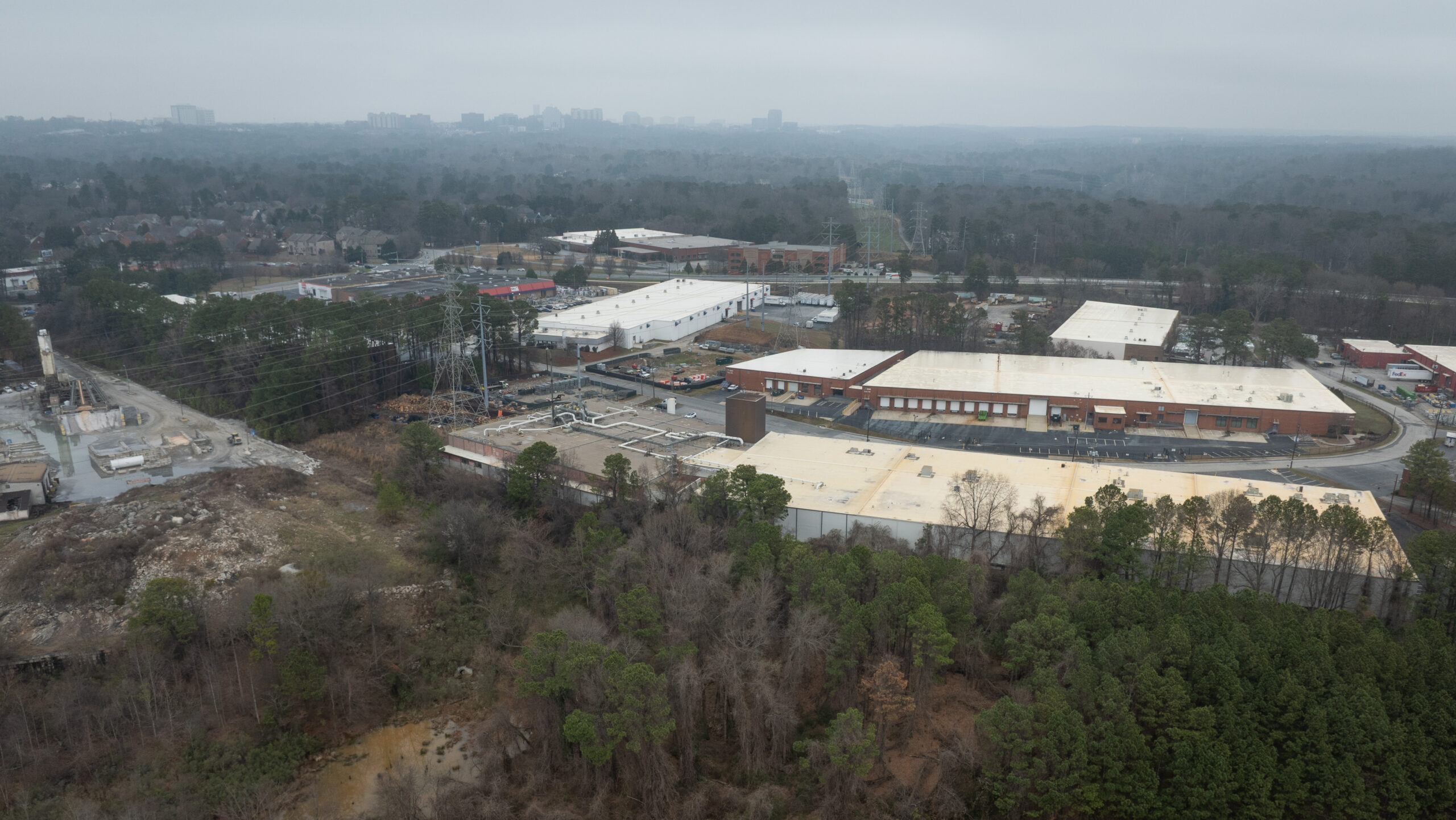
When Georgia resident Janet Rau first learned that a sterilization facility near her community was releasing ethylene oxide, a toxic gas linked to cancer, she wasn’t looking to start a movement. She was trying to understand what was happening where she lived and worked. Media coverage highlighted the elevated cancer risks near certain industrial facilities. What stood out wasn’t just the data, it was how close to home it felt.
“It suddenly gave context to things we’d been seeing for years,” Rau says, pointing to a troubling number of cancer cases among teachers and staff at the school in the Atlanta suburbs where she worked.
“It was people we knew. People our kids knew.”
At the time, Sterigenics, a company with commercial facilities across the country that use ethylene oxide (EtO) to sterilize medical equipment, was operating quietly in the community. Like many residents, Rau assumed that any facility that posed a real danger would never be permitted in the first place. That assumption didn’t last long.