

SELC's Magazine
Want to receive SELC’s Magazine? Sign up below.
How Helene redefined home
By Jay Leutze
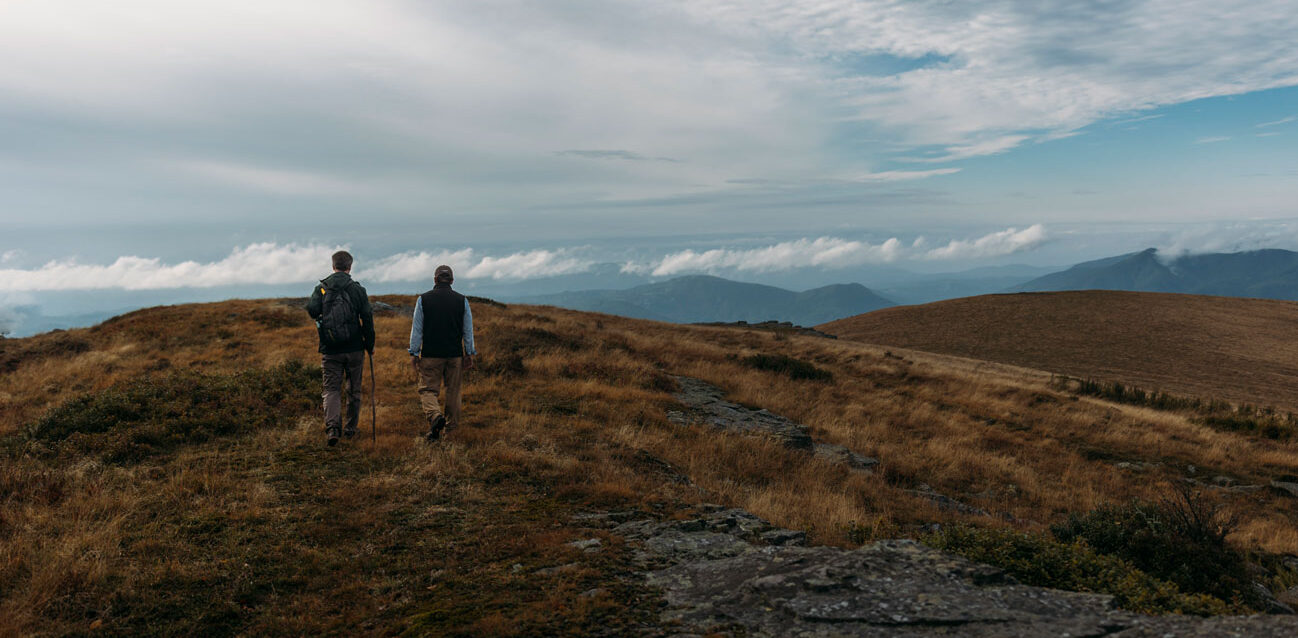
I evacuated when the first bands of Tropical Depression Helene swept into the mountains of western North Carolina in late September. Most, including my friend Ashley Cook, did not. The region of vast forests and crystalline creeks is home to small towns where people straddle the divide between old ways tied to the land and the uncertainties of a digital future. Appalachia is both a refuge from climate change — it is cooler than the surrounding lowlands — and, as we were about to learn, its most recent victim.
A neighbor said he could feel it when a logjam a mile upstream gave way. Cars, tractors, livestock, and, yes, a woman — every last thing in the way of the floodwater was grabbed up by the floating opera of destruction, and sent downstream, right in front of his house.
When water falls from the sky it travels from high ground to low ground until it hits an impediment. Always. First, Big Horse Creek crashed into the North Toe River in the hamlet of Minneapolis. Down the waters went, down through several sawmill towns to join with the equally angry South Toe and the Cane River, which spilled from the shoulders of Mount Mitchell. Those waters had already thrashed the communities of Murchison and Micaville. Somewhere in the churn was Travis Bagwell’s house, my friend Edwina Tatum’s horses. Books from the library at the Celo Inn, pews from a shattered church. And so it went, through every riverside settlement until the confluence smashed the spillway at the point where the Nolichucky River is born. Between 24 and 30 inches of rain had fallen on the world’s oldest mountains.
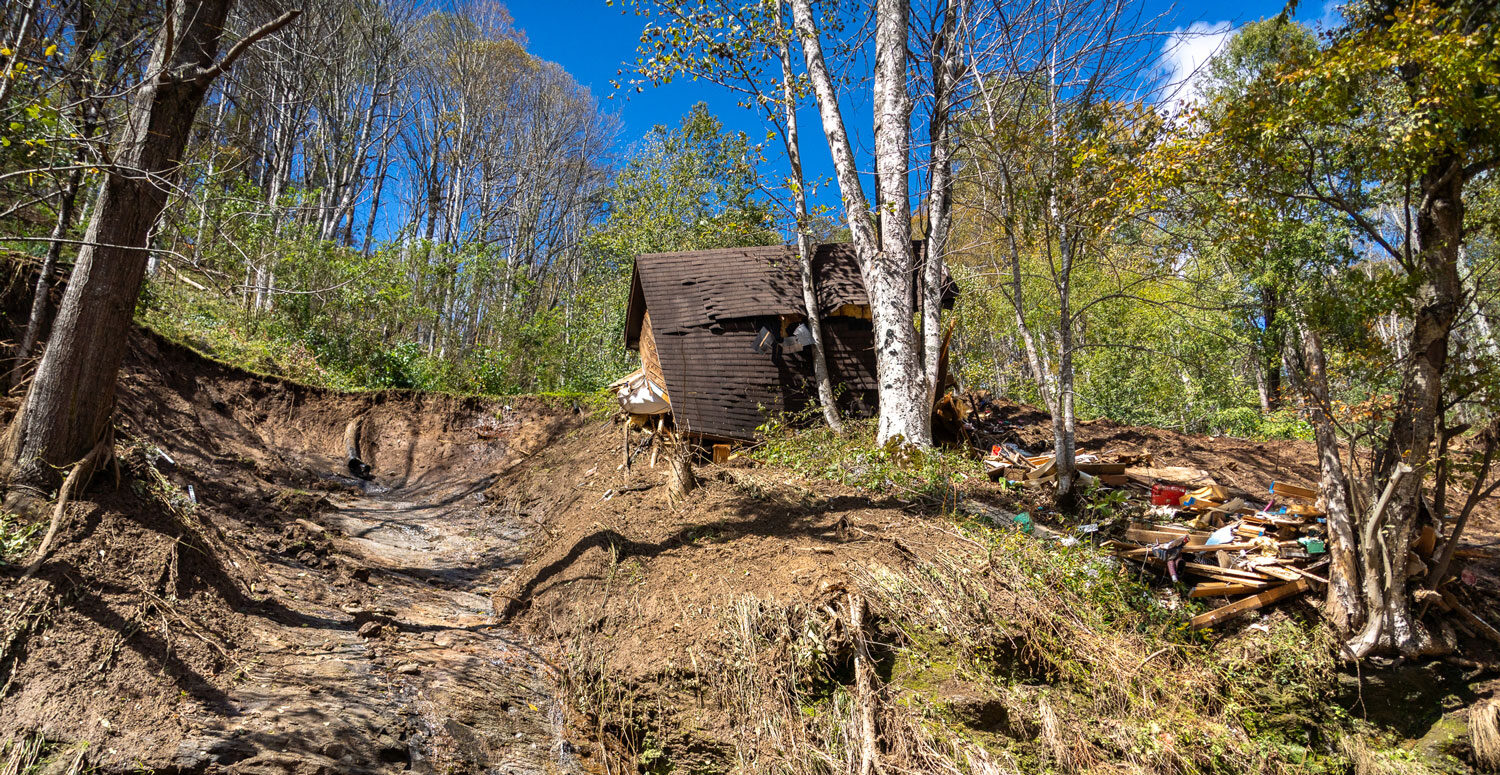
After the onslaught, the skies cleared and the water slid, mercifully, back into the banks of the creeks and rivers. Those who survived peered out at the changed world. In some places, where the wind was blocked by ridges, every tree stood as it had. In other places, up high in Pisgah National Forest, hundreds of thousands of trees lay flat, as if leveled by a scythe. My house, somehow, survived, but my road was buried under a wall of throbbing mud 6 feet deep.
What we didn’t know in those first hours was that the disaster in the Toe River Valley was repeated on the Watauga River, and the Swannanoa, and on Garren Creek, and then, of course, all along the French Broad, which runs through downtown Asheville. Deaths were reported in the Upstate of South Carolina and the North Georgia mountains, and rumors of catastrophic damage to Erwin, Tennessee, reached us soon enough. Closer to home, the ruins of the town of Chimney Rock were floating in Lake Lure. It was days before we understood that some 2,000 landslides had scoured steep slopes across the region. Seventy-four thousand North Carolina homes were either gone or damaged and 12,000 souls displaced, with dozens unaccounted for. The casualties among fish populations, birds, and other wildlife, were beyond our ability to calculate.
Until lines of communication were restored, the people of the Toe River Valley did not know that they weren’t alone.
SEEING THE SOUTH
From the Mountains to the Gulf
Photos by Hunter Nicohols
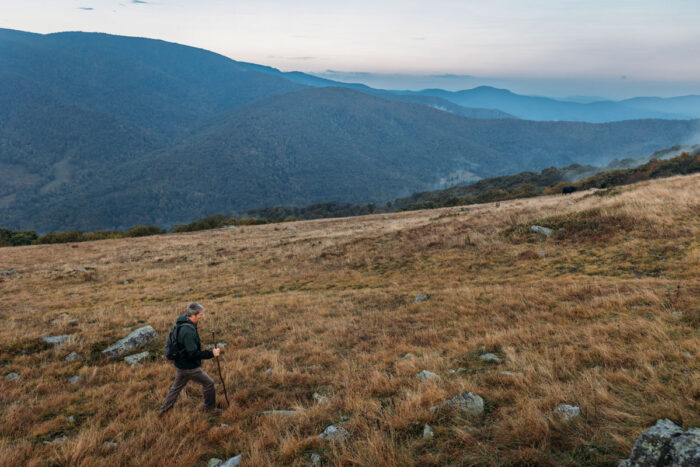
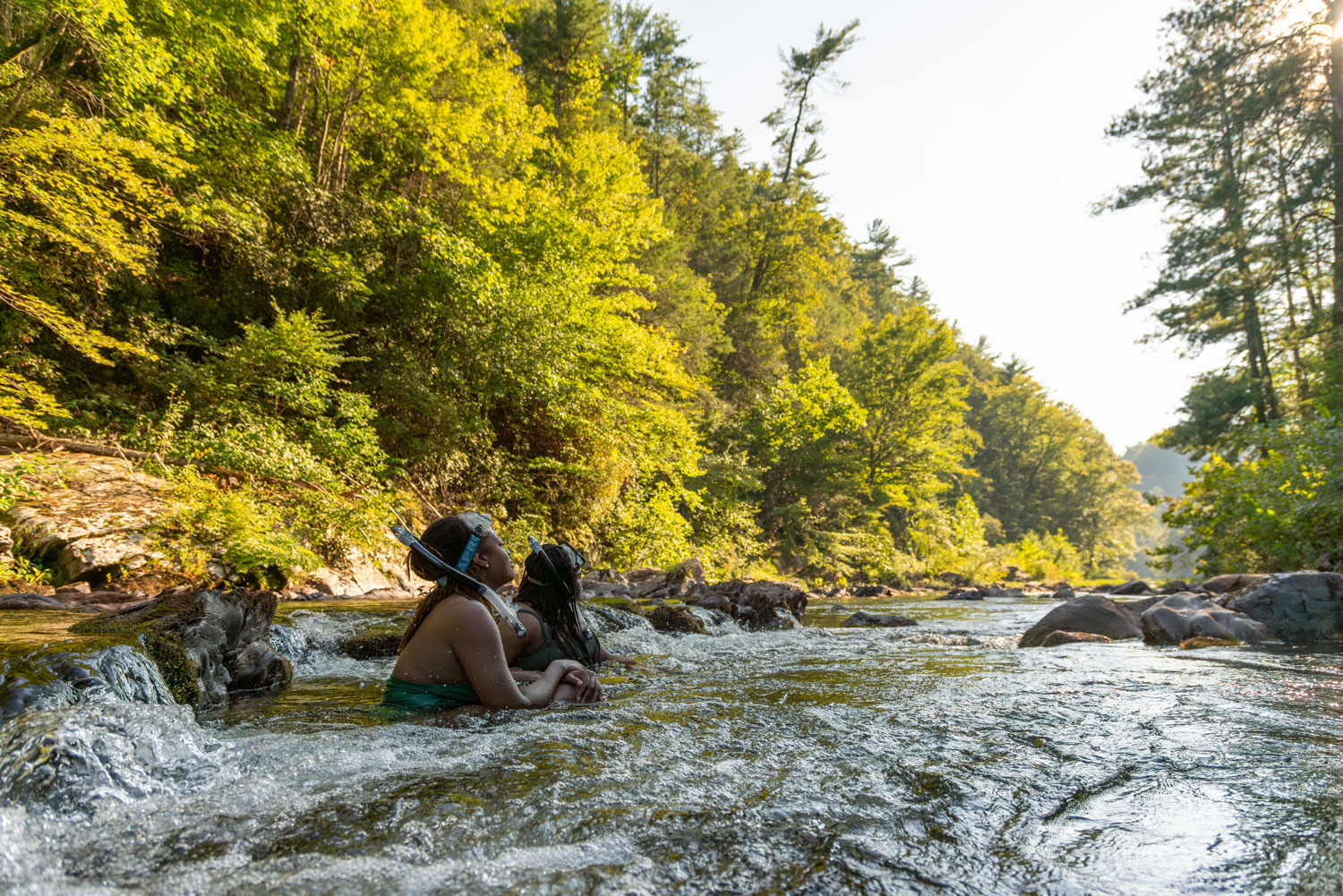
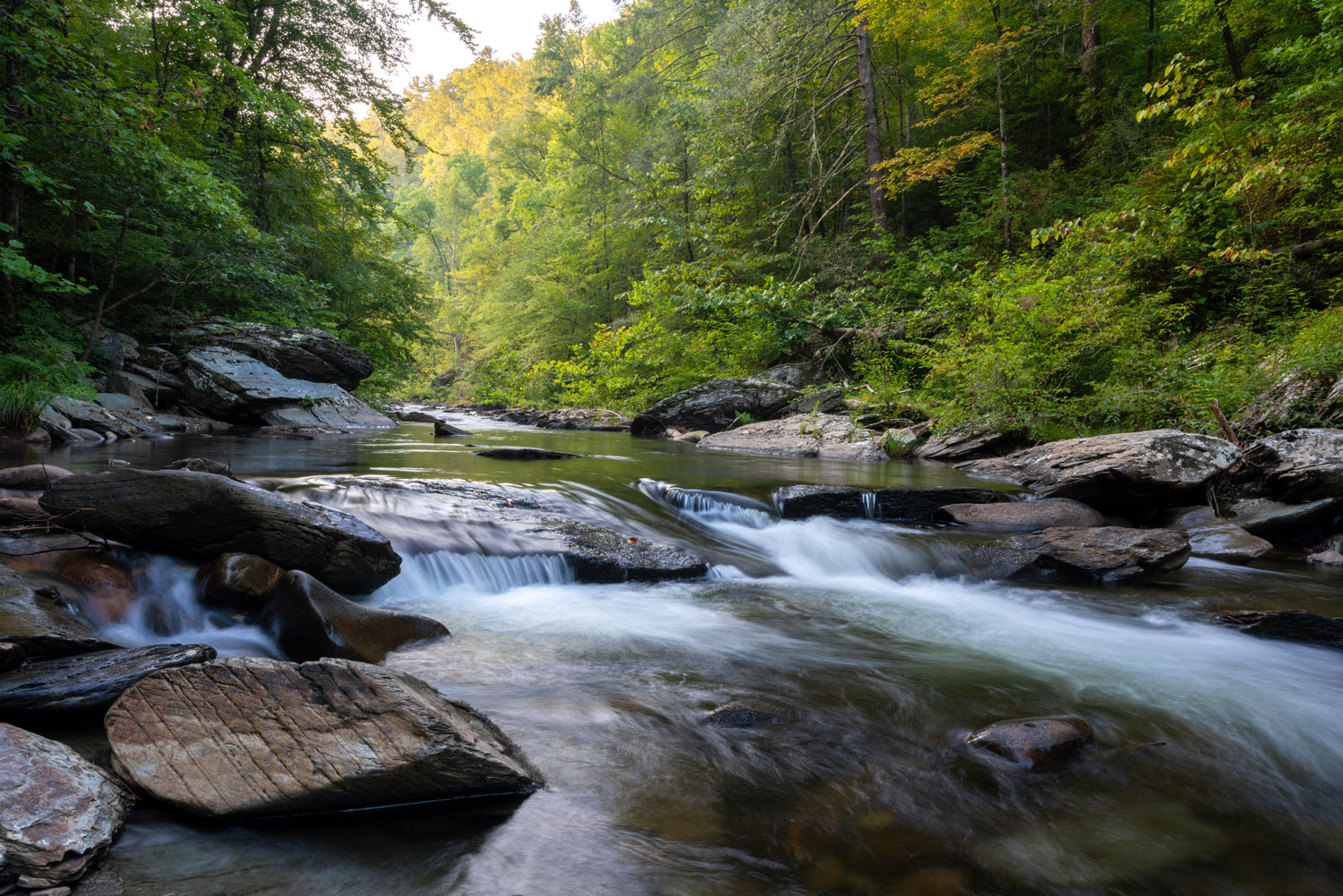
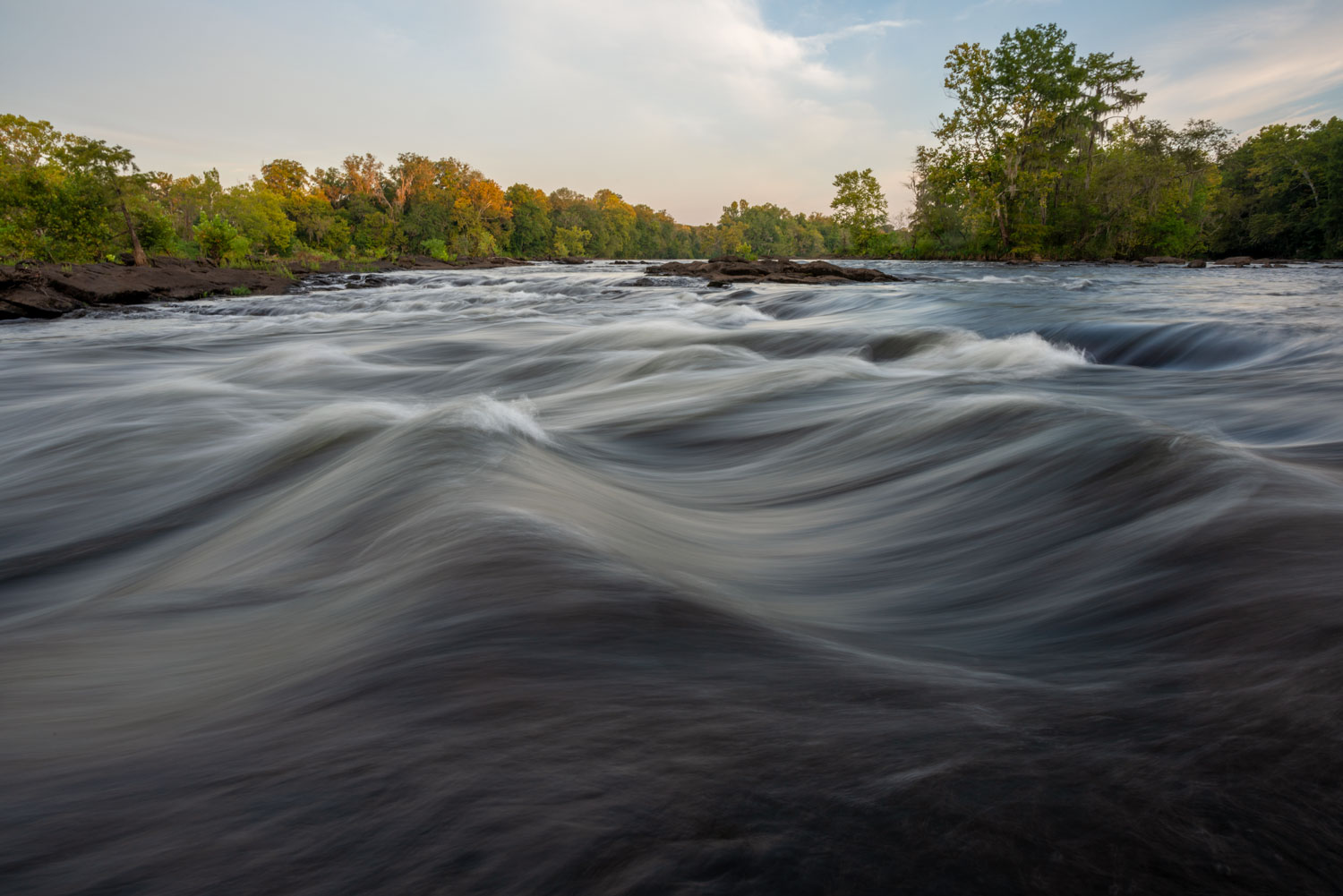
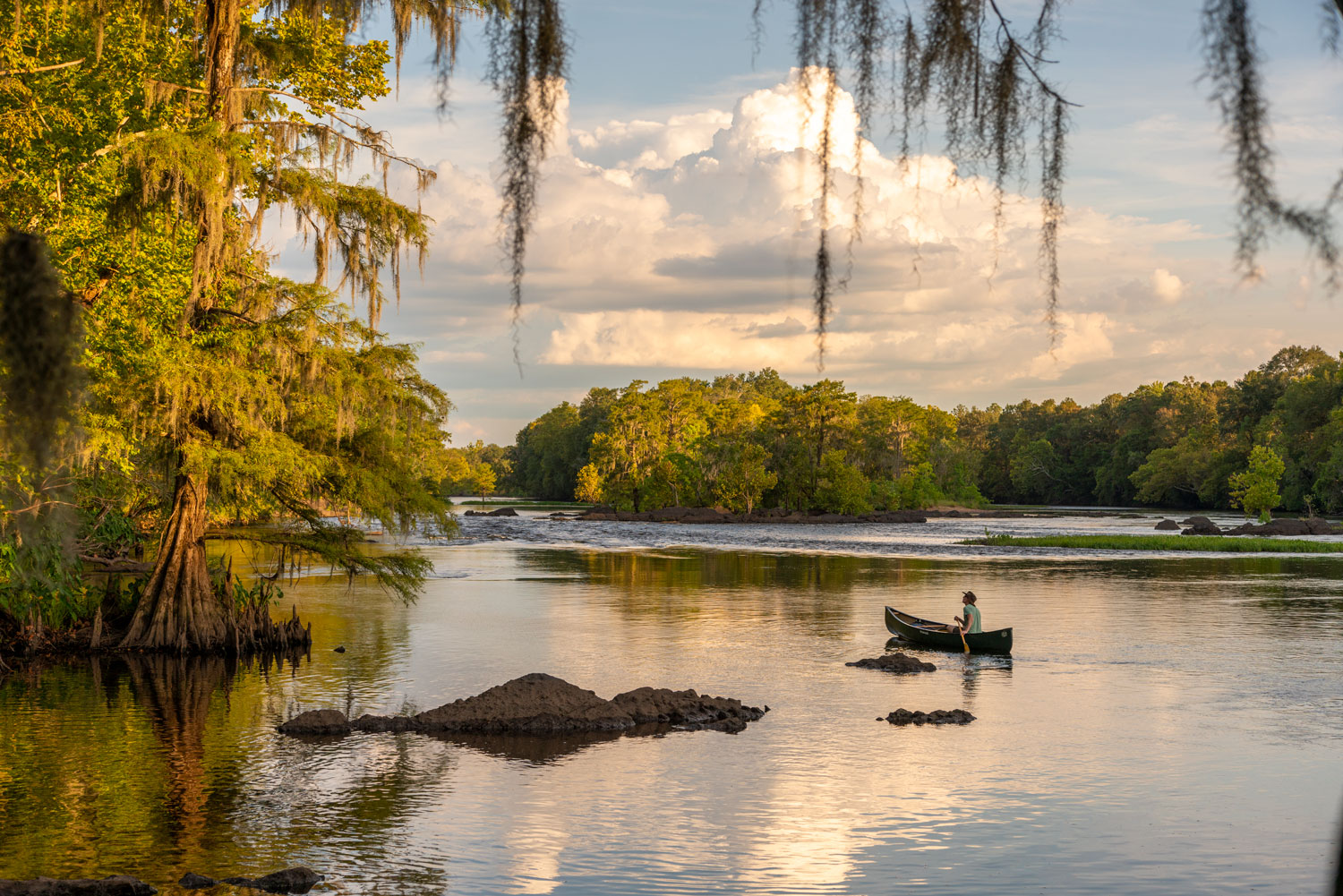
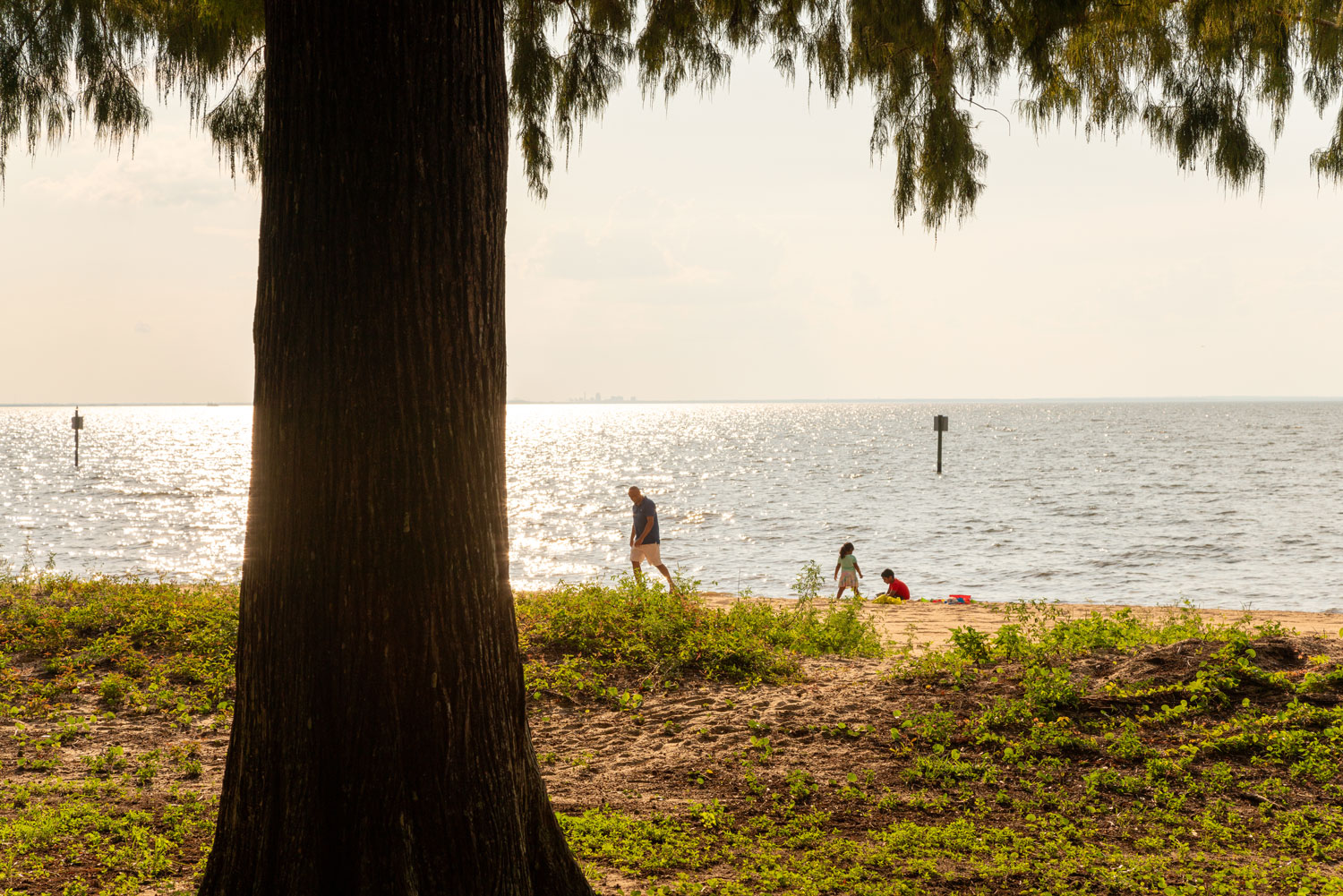
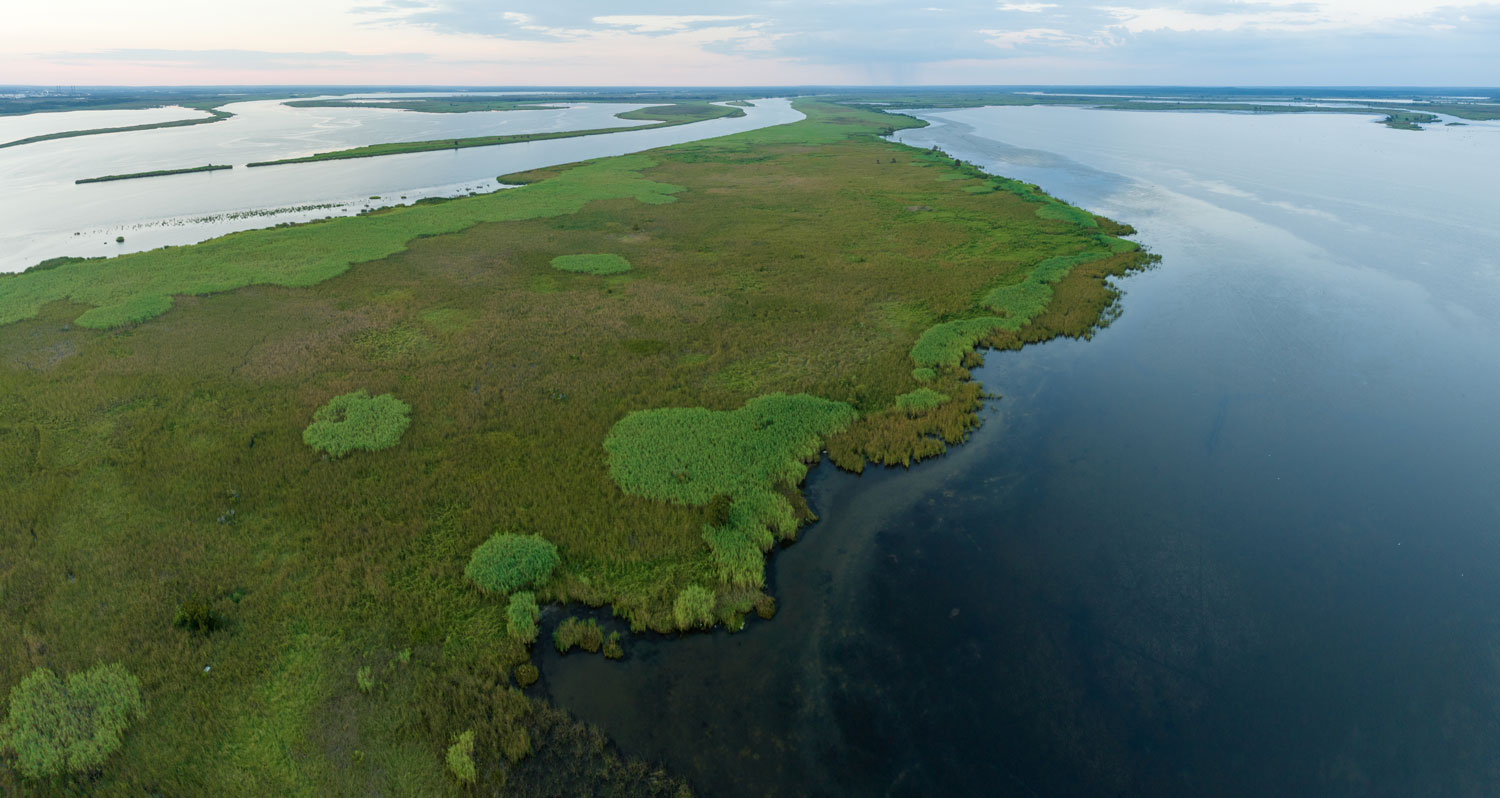
When you’re so far north in western Georgia that you can see Tennessee, you’re in the right spot to launch a journey that can carry you all the way to the Gulf of Mexico, starting on the Conasauga River as it winds through the southern-most Appalachian mountains, across the Black Belt of Alabama, and on through the Delta to the salty waters of the Gulf.

What are heat islands?
The power of shade
By Phuong Tran
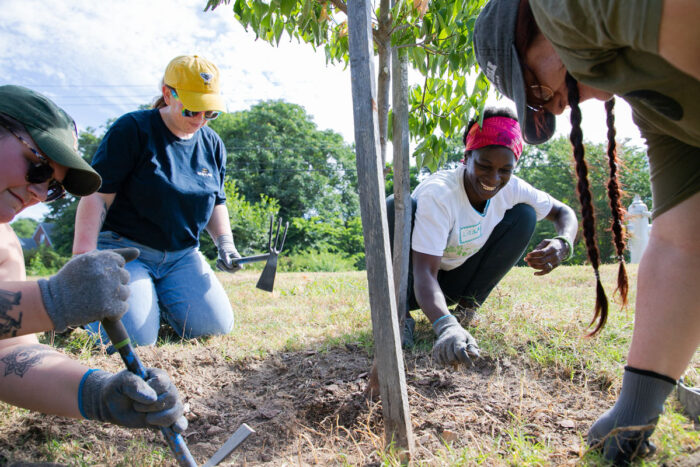
As our climate continues to warm, more and more evidence reinforces the importance of trees and their shade in ensuring everyone can weather the hotter summer days and nights ahead.
Across the South, we see communities suffering from dangerously hot summer days. This is the combined result of extreme heat worsened by climate change and the urban heat island effect, where the materials like concrete and asphalt used in parking lots, buildings, and roads hold and give off heat more than natural ground cover like bodies of water, trees, and other plants. This means, on the same day, a city center will often be notably warmer than nearby suburban or rural areas.
CHANGEMAKER: Small but mighty
By Samantha Baars
The phrase “small but mighty” can be used to describe a lot of things. Ants, bees, computer chips, magnets, and 11-year-old environmental changemaker Zibby Jahnes from Greensboro, North Carolina.She wasn’t thinking about herself or ants when she self-published, “Small But Mighty,” a book describing some of her favorite mini powerhouses. Chapter one? Single-celled coccolithophores, obviously. (Aren’t they your favorite, too?)

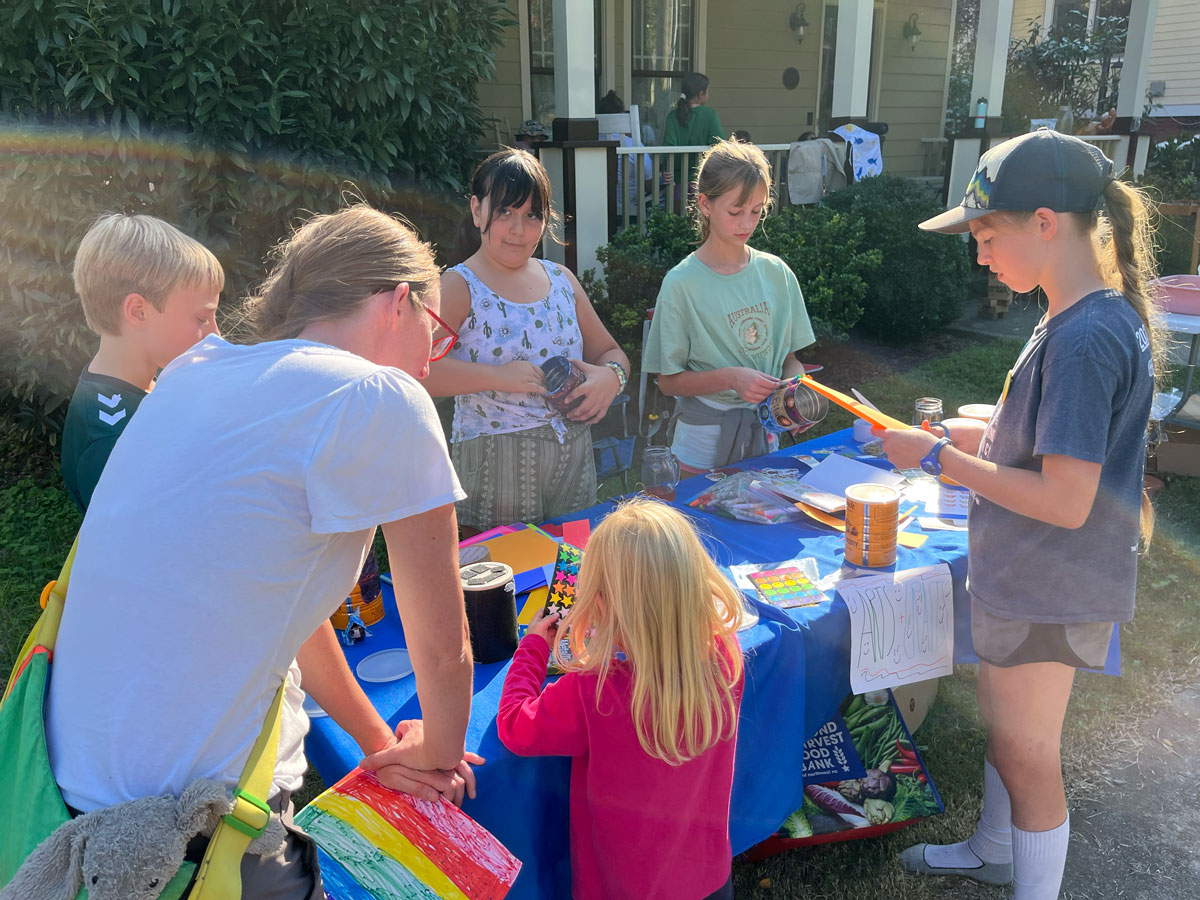
An author, award-winning student athlete, community organizer, and citizen scientist, Zibby’s résumé rivals that of anyone twice her age. Especially now that she’s adding philanthropist to the list as one of SELC’s newest and youngest donors.
It was a special moment for our staff when Zibby’s envelope holding a handwritten letter, several photographs, and a check for more than $800 arrived in our mailbox.
“I wanted to raise money because you help protect the South where I live and the wild places I love,” she says. “And I think it’s cool that you use the law to do it.”