

Indigenous tribes unite to save 13,000-year-old sacred site from development
On the north bank of the James River (originally known as the Powhatan River), downstream from present-day Richmond, a sacred site with more than 13,000 years of Indigenous history is threatened by a development proposal.
Tribes in Virginia are uniting to demand meaningful engagement and collaboration around the preservation of this irreplaceable historical and cultural site.
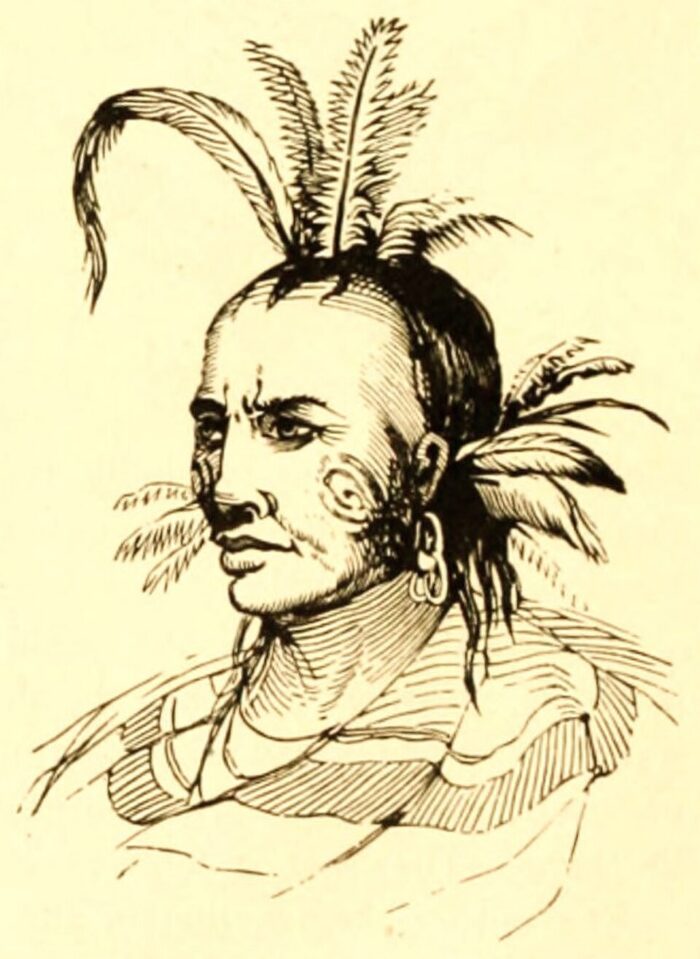
The significance of the birthplace of WaHōnSeNaKah, known as Powhatan, spans centuries. Powhatan, one of the most consequential leaders of his time, formed a chiefdom of 32 tribes in the Tidewater region. The settlement where he was born was his namesake and one of the most strategic locations on the river for travel, trade, and defense. It was also the site of early relations between English colonists and the tribes that had occupied the land for thousands of years.
Today, it is one of the last undeveloped parcels near Richmond on Old Osborne Turnpike, which is one of the oldest roads in the state and designated as a Virginia Byway for its aesthetic, cultural, and environmental value.
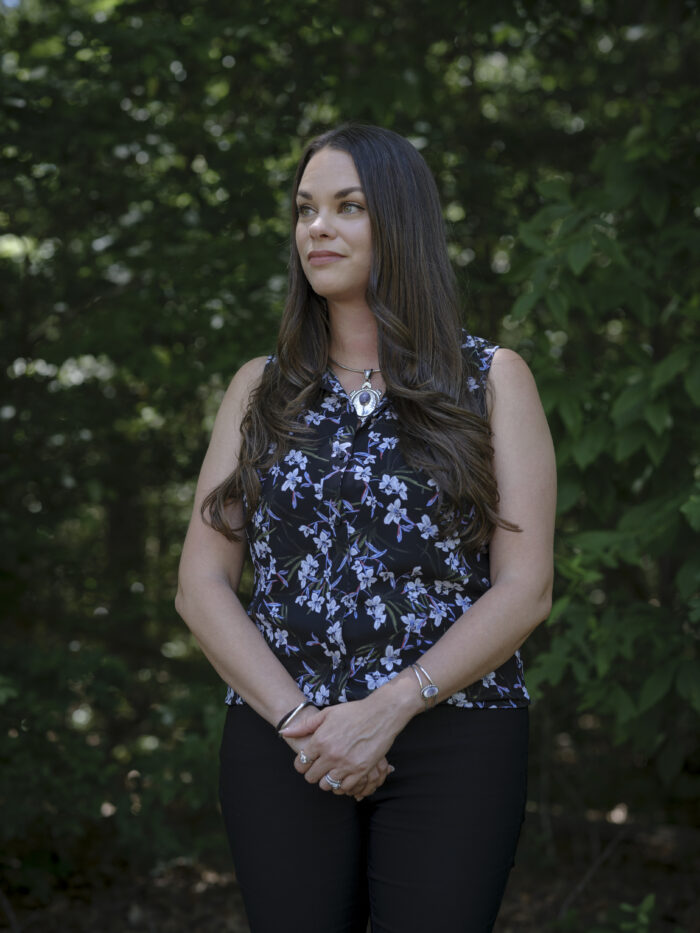
“If we fail to act now, we will not only destroy one of the Chesapeake’s most significant cultural sites, we will sever a living connection to the ancestors, descendants, and histories that still call this place home,” said Ashley Spivey, a Pamunkey tribal citizen and tribal liaison. “I have to do everything that I can to try and save this place.”
Past and present
Spivey is also the executive director of Kenah Consulting, a firm that partners with tribal nations and cultural institutions across the country on projects that strengthen tribal sovereignty and protect cultural, historic, and natural resources. She brings deep expertise in anthropology and cultural resource management to her work.
Although Powhatan’s birthplace now sits on private property, tribes have had access to a handful of the thousands of surfaced artifacts from this site at the Virginia Department of Historic Resources. These include a range of ceramics and stone-made tools.
“I come from a family in the Pamunkey Tribe that has really taken on the task of preserving tribal culture and tribal history,” Spivey said. The museum her grandfather established on the reservation is one example. “I see myself following in the footsteps of my family members and other tribal members who have done the same.”
Powhatan’s birthplace was named one of Virginia’s most endangered places of 2026 by Preservation Virginia. The new designation is helping draw attention to the threat and could help secure the protection of the special site.
Development pressure and changing tribal recognition
The immediate threat stems from a private company’s effort to revive a sprawling development plan originally approved nearly two decades ago in the Henrico area. The proposal would transform the 530-acre farm into a high-density community with up to 2,770 residential units and more than 1 million square feet of commercial and office space.
Tribal leaders note a glaring injustice: When local officials approved the zoning in 2007, Virginia’s tribal nations had not yet secured federal recognition. Without legal status, they had little ability to participate in local and state decision-making or protect ancestral graves and important cultural and historic resources.
Nearly 20 years later, tribal leaders argue that the 2007 cultural resource management plan is outdated, blind to modern preservation standards, and inadequate to protect what lies beneath the soil, and that renewed tribal collaboration and engagement is critical.
This spring, tribes held a press conference at the Rappahannock Tribal Center to announce and celebrate the status designation.
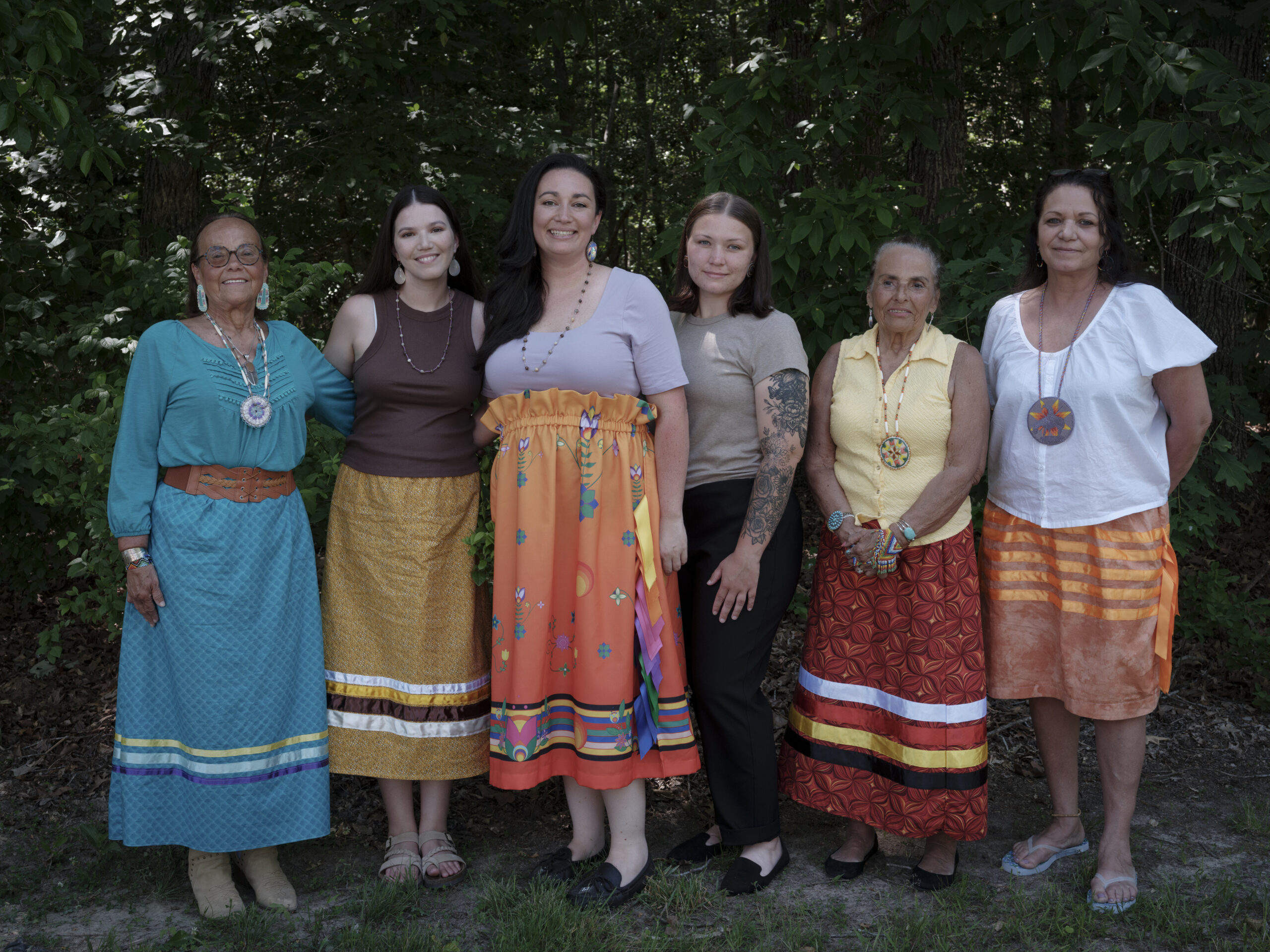
The gathering was a powerful blend of past and present. Surrounded by framed photos of ancestors, tribal citizens moved through the center wearing vibrant ribbon skirts with colorful stripes sewn around the hems, alongside intricate medallions, turquoise bolo ties, feathers, and beads carved from shell and wood.
“You could feel the buzz and the energy of us coming together,” Spivey said.
Virginia tribal nations stand in unity
Tribal communities have been working together to solve challenges for hundreds of years.
“Although the Mattaponi Indian Tribe is not yet federally recognized, it is home to one of the oldest reservations in the United States and was part of the original core tribes of the Powhatan Chiefdom,” Chief Mark T. Falling Star Custalow said at the press event. “In this important matter, we felt it was essential to stand in unity with the other tribes. We deeply respect and honor this sacred site, and it must not be disturbed.”
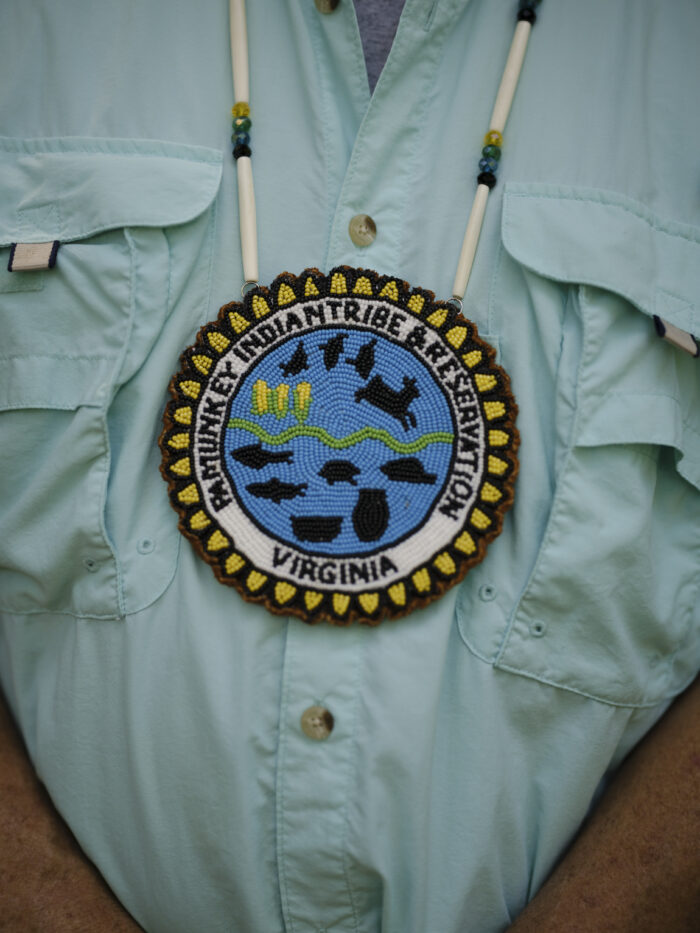
Pamunkey Chief Kevin Brown echoed the call for permanent protection, noting that the endangered designation could finally tilt the scales toward saving this irreplaceable site.
“Powhatan’s birthplace is a site of profound historic and cultural significance, not only to Virginia tribes but to the broader story of American history,” Brown said. “For centuries, this land has held irreplaceable cultural resources and ancestral connections that deserve protection and respect. The destruction of the history and cultural material beneath the surface of this site would be an immeasurable loss to both tribal communities and the Commonwealth of Virginia.”
From Powhatan to Civil War surrender
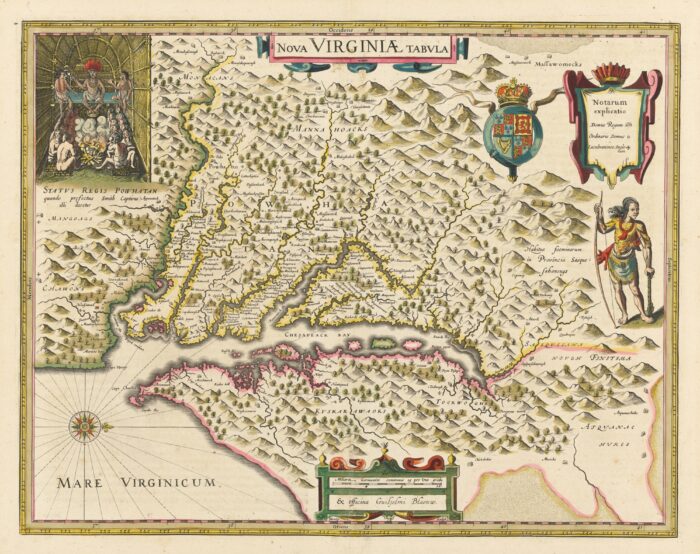
The site’s historical significance spans thousands of years, serving as a stage for major turning points in American history:
- Birthplace of a chief: Powhatan unified 32 tribes into the powerful Tidewater alliance known as the Powhatan Paramount Chiefdom.
- Pocahontas: The site forms the backdrop of early relations between English colonists and the tribes, carrying direct cultural ties to Powhatan’s daughter Matoaka, known as Pocahontas, whose image appears on Henrico County’s seal.
- Enslaved labor: After colonization, the sacred ground became the Tree Hill plantation, powered by enslaved labor.
- Horse racing: In 1785, it became home to one of America’s first horse racing venues, visited by the Marquis de Lafayette in 1824.
- The fall of Richmond: On April 3, 1865, Richmond Mayor Joseph Mayo surrendered the burning Confederate capital to Union forces at Tree Hill.
Environmental impacts
The proposed development threatens not only cultural resources but would also accelerate regional sprawl, trigger major road-widening projects, and compound environmental harms such as higher levels of air pollution from increased driving and worsening water quality from stormwater runoff.
SELC is representing the Indigenous Conservation Council of the Chesapeake Bay, a nonprofit representing Virginia’s federally recognized tribes, and supporting Virginia’s tribes as they navigate conversations with the potential developer and county officials and engage in local, state, and federal approval processes.
Next steps
For Virginia’s tribal nations, the fight for Powhatan’s birthplace is about more than stopping a single development. It is a stand for cultural survival, for the ancestors whose lives shaped this land, and for the generations who will inherit what remains.
As tribes push for real partnership and protection, they’re also asking for recognition of a truth that has always been self-evident. “You wouldn’t have America without the Indigenous population,” Spivey said.
Get more information at powhatanbirthplace.org.