Pursuing plastic polluters
Discarded soda bottles, broken plastic ties, empty chip bags are all common finds along any shore; as a society, we have a pervasive plastic pollution problem.
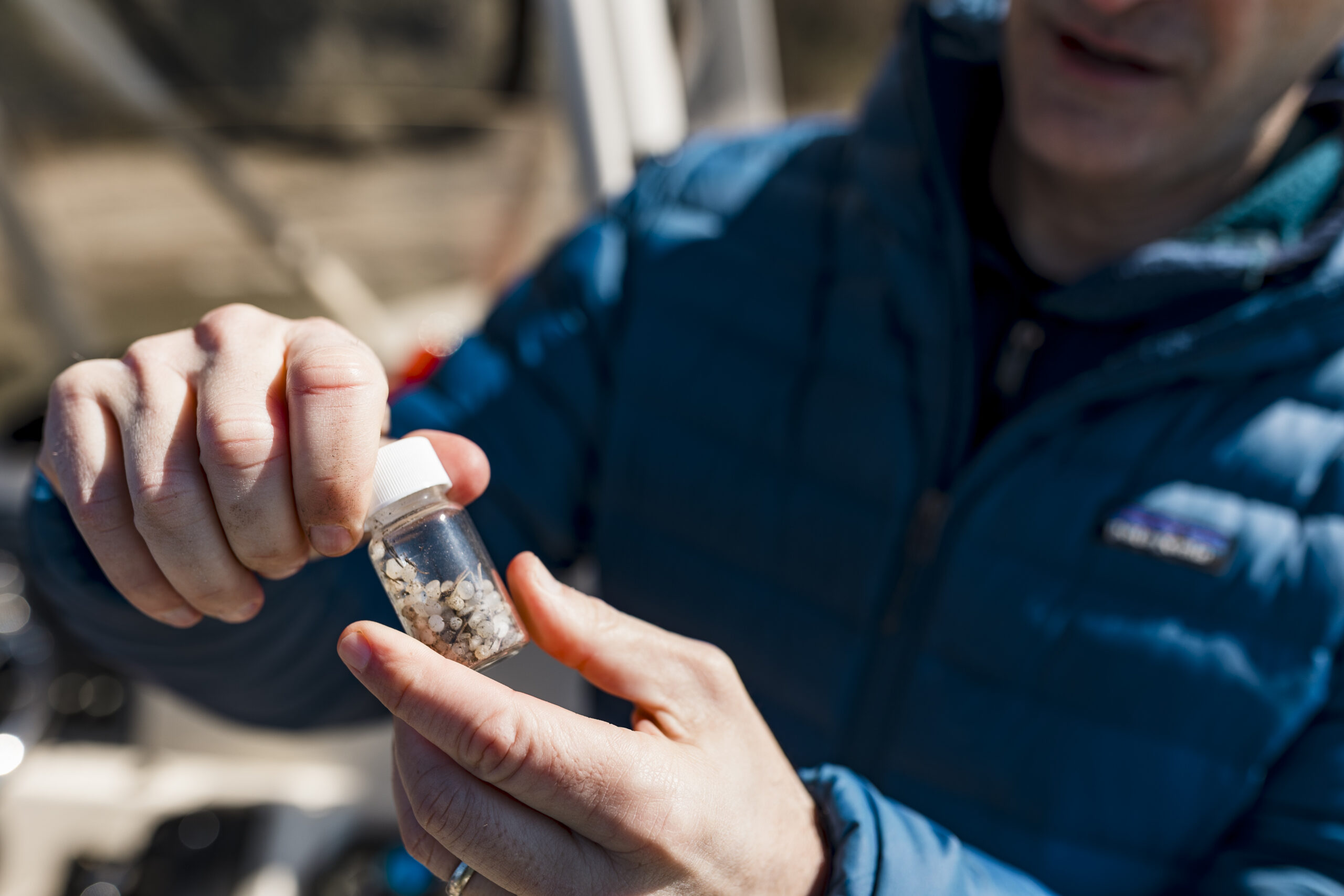
But “nurdles,” or the tiny plastic pellets used as building blocks for plastic items or fillers for products like cornhole bags or stuffed animals, might not come to mind. And they are even harder to spot.
These small plastic beads are one of the most difficult types of plastic pollution to clean up. And they’re commonly found along Charleston, South Carolina’s cherished marshes, beaches, rivers, and creeks.
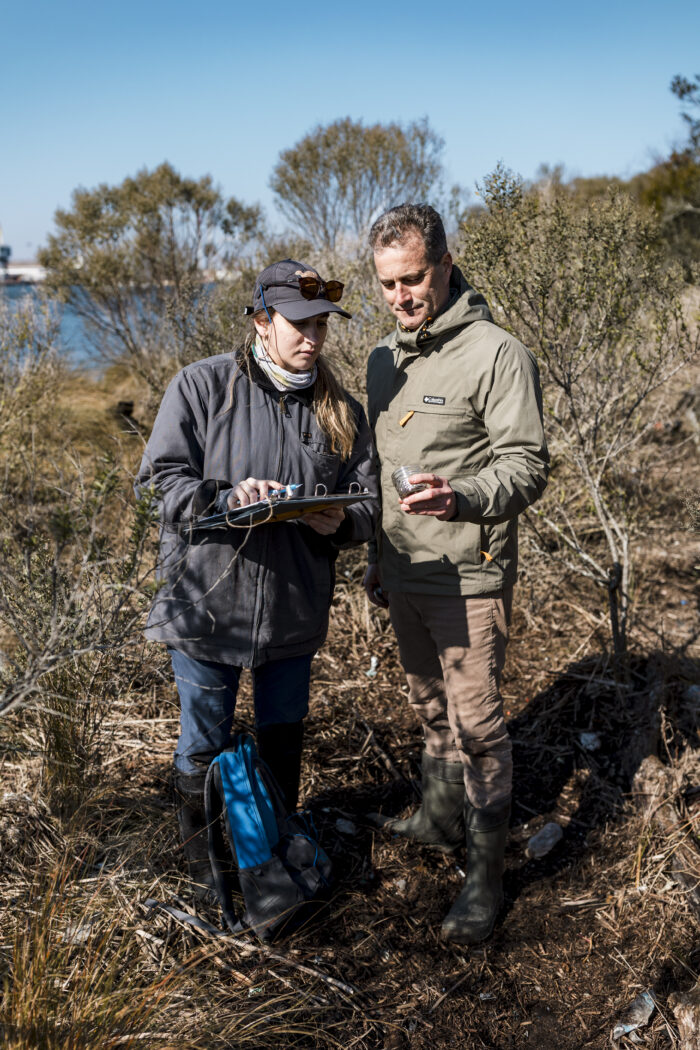
Andrew Wunderley, Charleston’s Waterkeeper, found nurdles scattered along the area’s waterways for years. Then, in 2019, two longtime supporters of the organization alerted him after spotting nurdles strewn all over the beach while walking their dogs on Sullivan’s Island, a barrier island near the Charleston Harbor. And after seeing the pellets for himself along the picturesque shore, Wunderley grew concerned.
“It became very clear that we had a big problem,” he said. “We were finding them everywhere from Cape Romain National Wildlife Refuge to Edisto Island; all the way up the Cooper River, in the Lower Ashley River, even in the Francis Marion National Forest.”
As he delved into the relatively uncharted waters of plastic pellet pollution, Wunderley learned of a sampling protocol championed by “Nurdle Patrol,” a citizen science project led by the Harte Research Institute at Texas A&M University-Corpus Christi. He applied that protocol to his work in Charleston’s estuaries, determining the density of plastic pellet pollution by collecting samples in 10-minute increments.
After the first months of sampling, researchers with Nurdle Patrol confirmed Wunderley’s worries — Charleston seemed to have the highest known concentration of nurdles outside Houston, Texas, which is home to a number of pellet manufacturers.
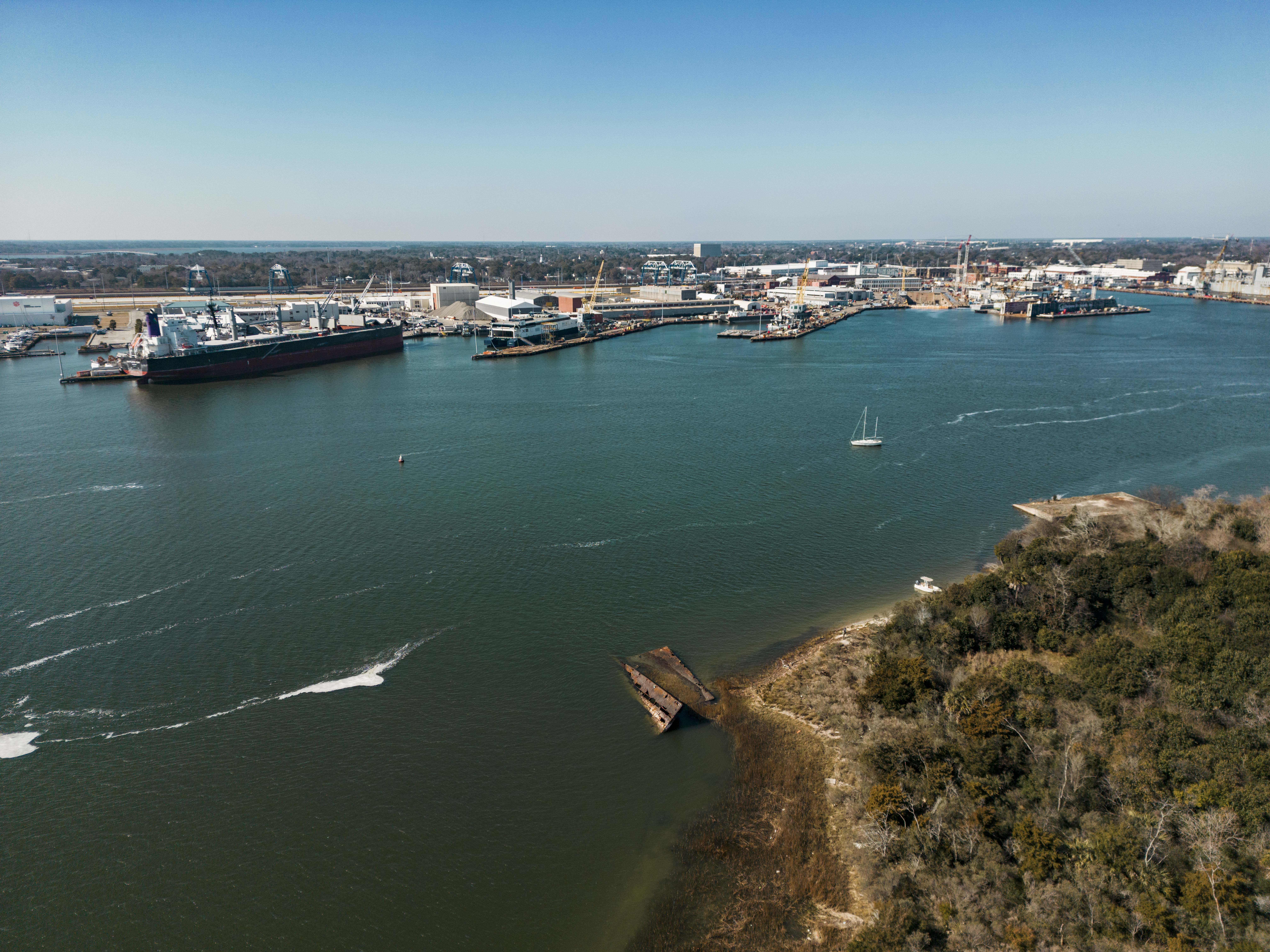
As Charleston Waterkeeper’s staff and volunteers gathered more data, they learned about the plastic pellet industry’s relationship to the Charleston Harbor. Primarily, the nurdles were transported through Charleston’s port by container ships and trains on their way to be used in other products, and they were spilled in the city’s water bodies along the way.
“This is an industry built on volume and speed, so there are billions of these pellets. If you lose ten thousand of them, you might not even notice that in your shipping,” said Wunderley.
His nurdle detective work eventually took him to Frontier Logistics’ facility in downtown Charleston near the old Union Pier, which is a waterfront industrial area full of docks and warehouses. The plastic pellet densities got higher and higher the closer they got. And when they started sampling around the fenceline, the concentrations of nurdles got even denser.
The Frontier lawsuit resulted in a $1 million settlement that funded water quality improvements in the Charleston Harbor watershed.
As part of the settlement, Frontier also agreed to allow an independent auditor and nurdle pollution expert to visit its new facility in North Charleston and make recommendations to prevent pellets from getting into the environment in the future.
“The things you need to do to prevent pellet loss are simple. They’re not expensive, they’re not cost prohibitive or complicated. You just need to have trained staff and stay on top of cleaning protocols,” Wunderleysaid.
Yet the problem is still pervasive in Charleston as continued sampling by Charleston Waterkeeper shows.
Plastics and public health
At first glance, the term “nurdles” might not conjure concerns about public health impacts. But the plastic pellets can expose animals and humans to what experts have called a “cocktail of contaminants” given that they both absorb other pollutants in the environment and contain harmful chemical themselves.
The problem is so dispersed that there’s really no effective way to clean it all up, which is why
Andrew Wunderley, Charleston Waterkeeper
prevention of spills is so critical. Once it’s in the environment, it’s usually there forever.
When nurdles remain in the environment, they are broken down into microscopic pieces through UV, bacterial, and physical degradation, making their way into the bodies of fish, mammals, and birds. And when humans are exposed, such as through eating contaminated fish or drinking contaminated water, the plastics can build up in our bodies faster than they can be excreted. That build up, or “bioaccumulation,” poses similar risks to people as it does to fish. Concerns include suspected negative impacts to reproductive, digestive, and respiratory health. The health risks make nurdle spill prevention more important than ever.
“This work is ongoing. We’re still committed to getting to the bottom of this issue in the Charleston Harbor,” said Catherine Wannamaker, the SELC senior attorney who led the 2019 Frontier lawsuit.
Stopping it at the source
“The problem is so dispersed that there’s really no effective way to clean it all up, which is why prevention of spills is so critical. Once it’s in the environment, it’s usually there forever,” said Wunderley.
So, SELC and our partners continue tracking violations, knowing that stopping the pollution at its source and preventing nurdles from ever escaping a site is the most effective prevention. Already, further inland, Congaree Riverkeeper is using a similar approach to address two manufacturers’ nurdle pollution before the pellets reach Congaree National Park and further downstream.
For Wunderley, the motivation to hold industry accountable is renewed every time he comes upon a new cluster of pellets mixed in with the sea grasses and shells.
“At the end of the day, it’s just a matter of being a good steward and cleaning up after yourself,” he said.