

Plantations to pollution
By Jordy Yager and Tasha Durrett; photos by Cornell Watson
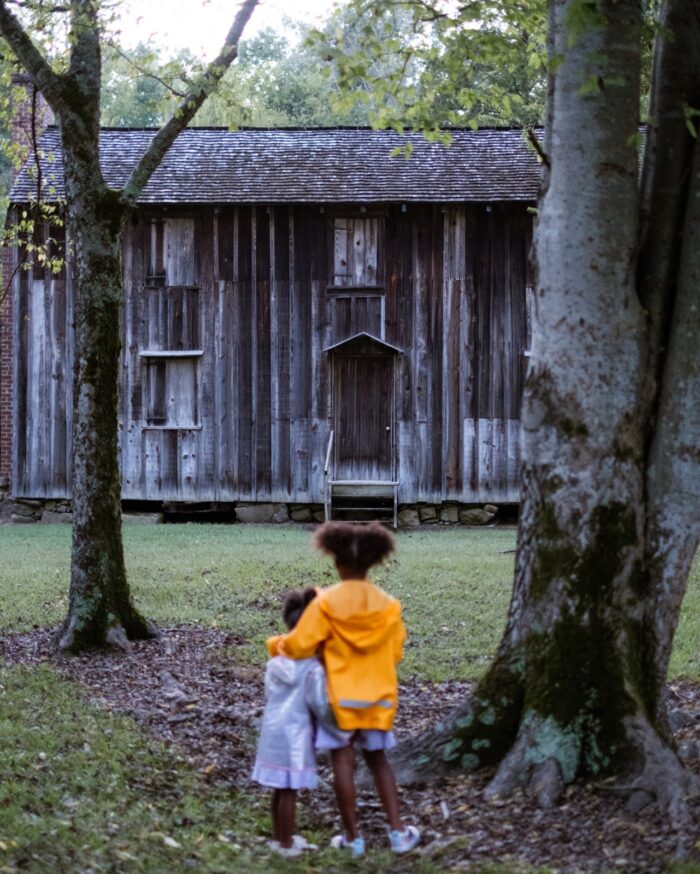
The South’s history is built into the land. It’s in the rice fields and cotton rows that once fed the nation’s wealth. It’s baked into the multigenerational neighborhoods born from freedom’s fragile promise. It’s also in the flood zones, the smokestacks, and the highways that now carve through the same places.
From plantations to pollution, the South’s story is one of unbroken extraction — first of labor, now of land, health, and, if left unchecked, our future. Many Black communities in the South were founded in the shadow of plantation economies. After the Civil War, they built neighborhoods, schools, and churches under restrictive laws, racist zoning, and discriminatory social codes. These injustices made it easier for those with power, money, and influence to exploit these communities — through the siting of highways, landfills, and other polluting industries.
The result is a long throughline of environmental harm stretching back as far as the 1600s. According to a 2017 study by the NAACP and the Clean-Air Task Force, Black Americans are exposed to 38 percent more polluted air than white Americans, and they are 75 percent more likely to live immediately adjacent to an industrial facility, hazardous site, or other source of environmental risk.
These are not accidents of geography — they are the direct consequence of land-use decisions rooted in race, place, and economic exploitation.
SELC’s new storytelling project, Plantations to Pollution: Black Communities, Legacy Pollution, and the Path Forward, explores these injustices and looks closely at communities deeply committed and determined to protect their culture, the land, and their future. SELC is working to realize that vision by taking on the largest polluters and fighting for a South where everyone has the right to clean air, safe water, and a livable environment.