

Stand up for the South's wildest forests
Why we need the Roadless Rule
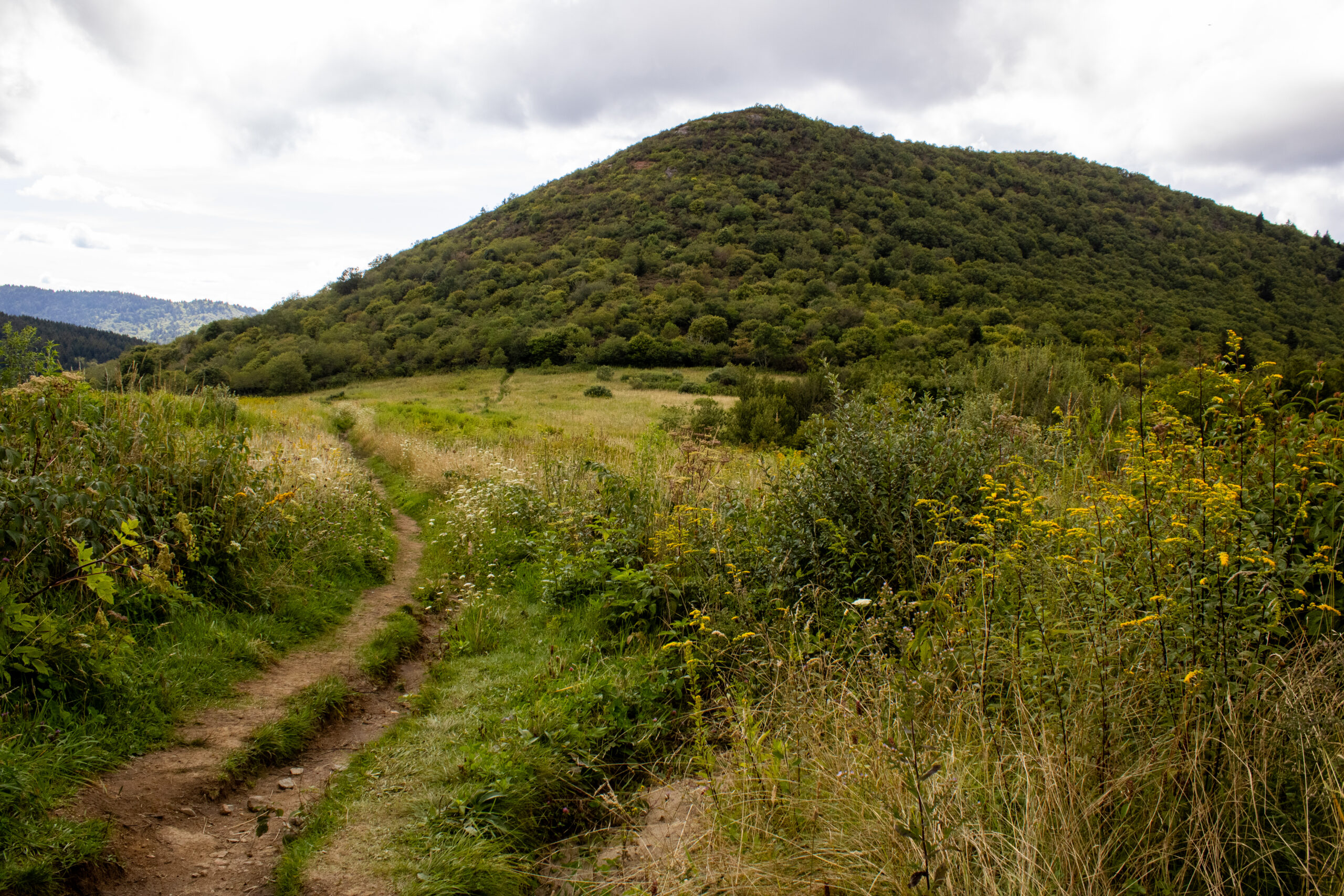
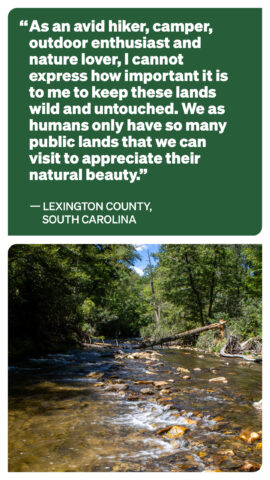
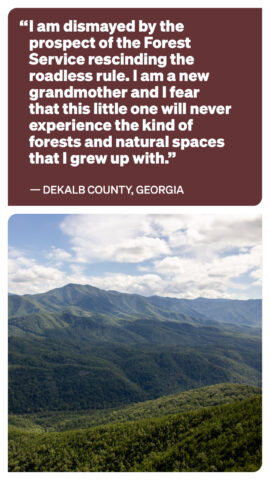
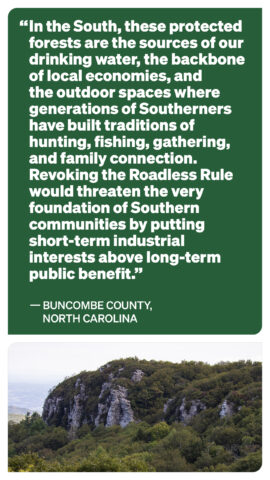
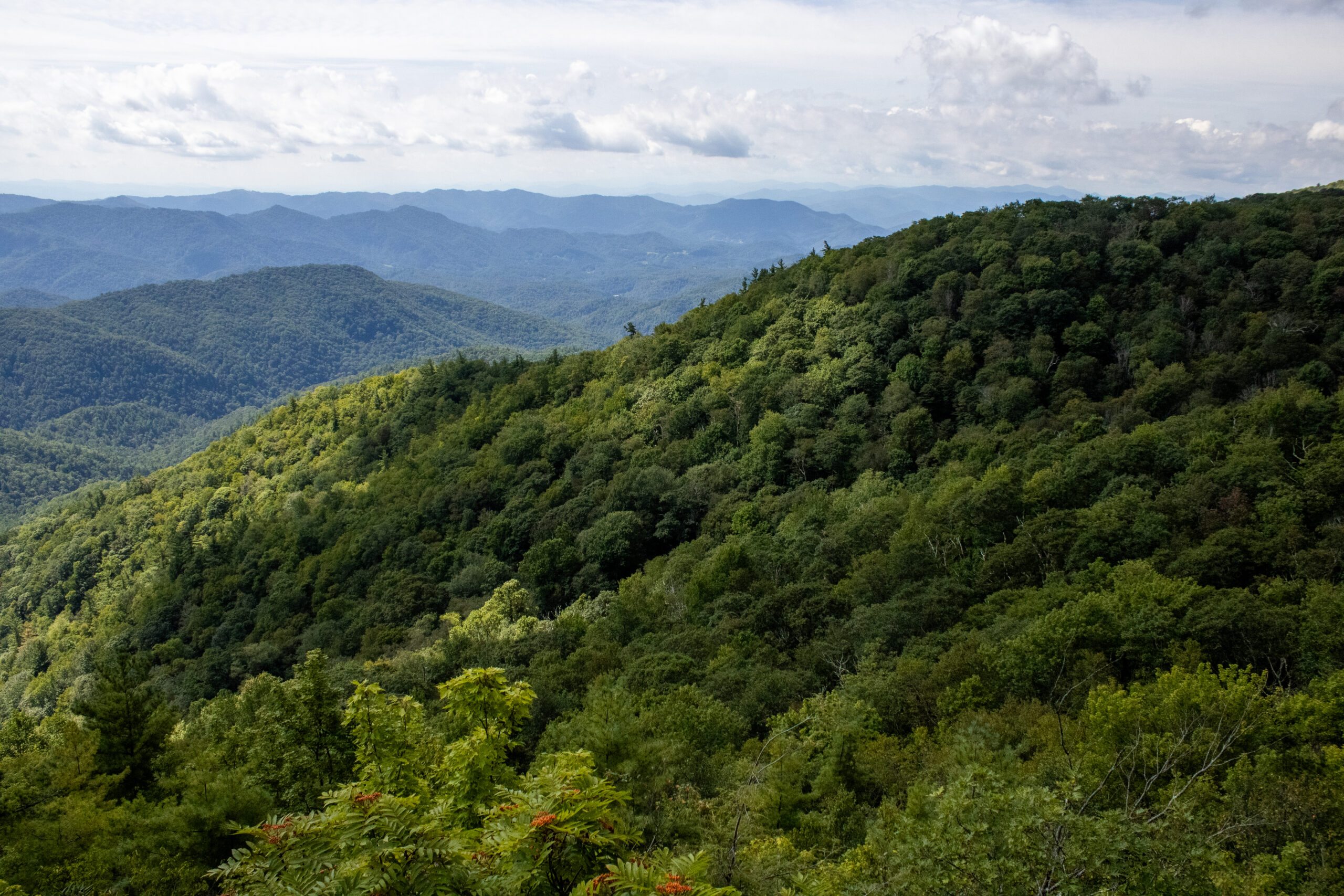
The Roadless Rule protects some of the South’s wildest public lands from unnecessary roadbuilding, harmful development, and destructive logging projects. The Rule, which was enacted in 2001, safeguards 45 million acres of national forest across the country—with more than 700,000 acres right here in the South. These roadless areas boast world-class hiking and mountain biking trails, provide clean drinking water to communities downstream, are home to crystal clear trout streams, and support local economies that depend on outdoor recreation and tourism dollars. The Roadless Rule is built on decades of work from people across the country and has tremendous bipartisan support.
But now the U.S. Forest Service is taking steps to get rid of the Roadless Rule, despite its tremendous benefits and popularity.
The Forest Service is going back on its promise to protect these spectacular lands. This reckless action would open these areas to roadbuilding, logging, and development that would do long-lasting damage to the forests, and the visitors, communities, and local economies that rely on them.
Repealing the Roadless Rule would permanently scar some of our most incredible public lands
Revoking the Roadless Rule would allow countless unnecessary roads to be built into some of our wildest public lands, doing lasting damage to our forests and hurting the countless people and communities who rely on them, all with taxpayers footing the bill for this reckless rollback.
- The South’s roadless areas are destinations for mountain bikers, anglers, climbers, hunters, and whitewater paddlers. Hundreds of miles of hiking trails weave through roadless areas—including the iconic Appalachian Trail.
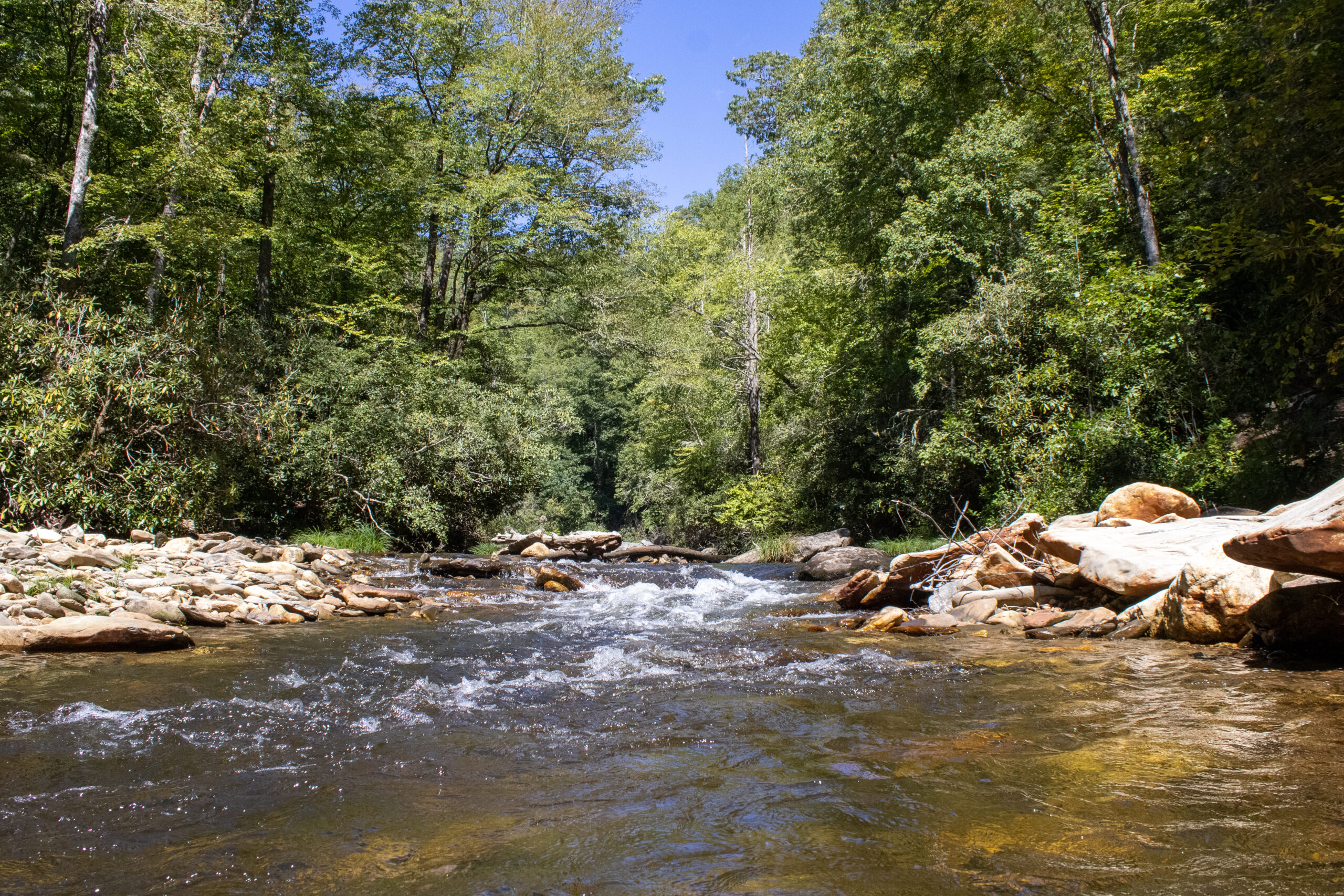
- Roadless areas in the South protect more than 800 miles of rivers, helping ensure that communities downstream have access to clean drinking water. Building roads here would increase pollution in nearby rivers and streams, hurting water quality and clogging them with dirt, debris, and other contaminants.
- Roadless areas ensure that everyone has a place to get away from the noise and commotion of roads and development. Revoking the Roadless Rule would threaten the wild character of these wild places and rob future generations of having the same backcountry experiences that we have enjoyed.
- Wildlife habitats are fragmented by roads, putting already-struggling species at an even higher risk of extinction. More roads also mean more collisions between animals and cars.
- Roadless areas are a critical stronghold for native brook trout, which require cold, clean water and are vanishing from our rivers and streams. Around 260,000 roadless acres in the Southeast contain Eastern brook trout.

What's at risk: Explore roadless areas in the South
There is no good reason to repeal the Roadless Rule
- The Forest Service claims that it wants to get rid of the Roadless Rule to prevent wildfires. In reality, the agency’s own data shows that most wildfires start within about 50 yards of a road. Adding roads into new areas would likely increase the risk of wildfire there. Plus, the Roadless Rule already allows the Forest Service to prevent and fight wildfires in roadless areas.
- The Forest Service cannot take care of the roads it has. The agency admits that “at least” 20,000 roads that are in disrepair, and it would cost over $1.2 billion in taxpayer dollars to fix them.
- The Forest Service wants to build new roads so it can log these forests, not to make it easier for visitors to get to a trailhead or their favorite fishing hole. In fact, less than 25 percent of the agency’s current road system is even open to passenger cars. The Forest Service has said its goal in rescinding the Roadless Rule is to “take immediate action” to increase logging on public lands.
- There’s a reason these areas weren’t logged before the Roadless Rule—they are difficult and expensive to reach. The Forest Service will likely lose money trying to sell timber in these places.
Read more about the Roadless Rule
A guide to wild hikes in Southern roadless areas
For Virginians, roadless areas mean clean drinking water
Southern hunters and anglers depend on roadless areas
Why we can’t afford to lose our public lands protections
Some of the South’s best whitewater is found in roadless areas
Stand up for the South’s wildest forests
Act now
You can stand up for some of the South’s wildest forests by telling your U.S. Representative and Senators to push back against the Forest Service’s misguided effort to get rid of the Roadless Rule.