

For Virginians, roadless areas mean clean drinking water
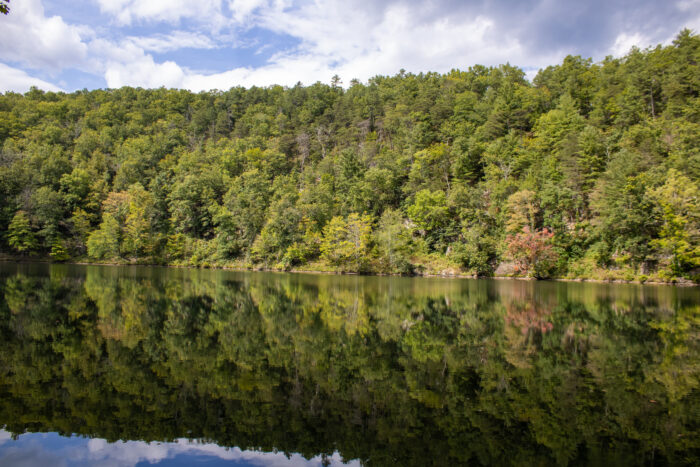
From the edge of the Staunton Reservoir, you can peer into the crystal clear waters that trickle down from Virginia’s George Washington National Forest. The Reservoir, which was created by the construction of the Staunton Dam in 1926, is the main water supply for the nearby city of Staunton. It’s also fed by rivers and streams in roadless areas, which are places protected by the Forest Service’s Roadless Rule.
The Roadless Rule is a critical policy that protects some of our wildest public lands from unnecessary roadbuilding and industrial development, ensuring they can be enjoyed by future generations. Roadless areas are world-class destinations for hikers and mountain bikers, boast old-growth forests, support local economies, and, importantly, provide clean drinking water for communities downstream.
Tell Congress to save the South’s wildest forests.
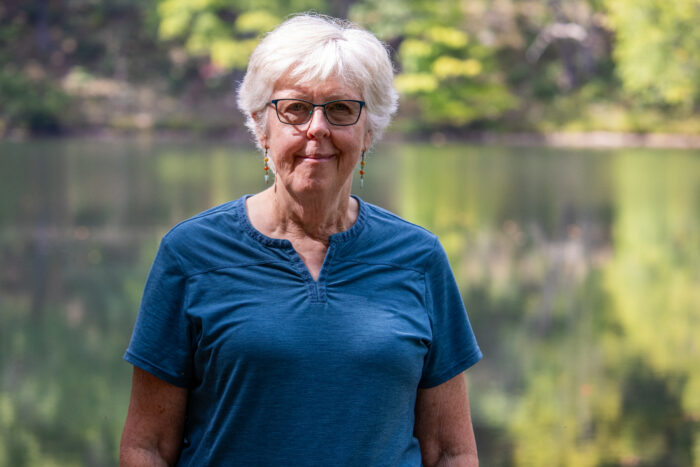
“The water coming off of the National Forest here in the valley is just so clean that it’s better than bottled water that you could buy,” Lynn Cameron, co-chair of the group Friends of Shenandoah Mountain, said. “We’re just so lucky to have clean water that tastes good, too.”
But she worries that luck could run out, because the Forest Service is currently pushing to get rid of the Roadless Rule, a move that would open roadless areas to harmful development and would put these incredible places—and the region’s supply of clean water—at risk.
The water coming off of the National Forest here in the valley is just so clean that it’s better than bottled water that you could buy.
Lynn Cameron, co-chair of the group Friends of Shenandoah Mountain
Communities “fortunate” to have clean water
Virginia has more acres of roadless areas than any other state in the eastern United States—nearly 400,000 acres. Roadless areas in the Shenandoah Valley make up one of the largest tracts of undeveloped public land in the region. They also safeguard dozens of creeks, rivers, and streams that are important drinking water sources for people living downstream.
“The roadless areas are the cleanest source of water that we have in the state, and the communities like Harrisonburg and Staunton and the Shenandoah Valley that get their water supply directly from reservoirs that flow out of roadless areas, they are very fortunate to have such clean water,” Lynn Cameron said.
Cameron’s sentiment is echoed by the city of Staunton itself. In a recent water quality report, the city mentions the Forest Service’s strict management of the area, saying the guardrails on development there protect the drinking water sources from pollution.
“The local governments have been very concerned about what happens to these mountains because they know how important the water supply is and they don’t want anything to happen,” Cameron said.
But it’s not just nearby communities that benefit from the crystal clear rivers and streams in Virginia’s roadless areas. The waters flow into the Potomac and James Rivers, benefiting millions of people downstream.
An SELC analysis found that more than three million people in Virginia and in Washington D.C. get their water from watersheds that are fed by streams in roadless areas.
That means if you turn on a faucet in Virginia, there’s a good chance the water coming out of your tap started in a roadless area.
“Just about everybody in Virginia benefits from the protection of this area because they’re using the water,” Cameron explained. “We’re lucky to be up here in the headwaters, but downstream they’re getting the benefit of these clean waters, too.”
Attack on our clean water
But those benefits are threatened by the Forest Service’s proposal to revoke the Roadless Rule, which would allow the agency and deep-pocketed corporations to carve up roadless areas with roads and logging projects that put clean water at risk.
Roads significantly increase pollution that runs into waterways. Harmful hydrocarbons like gasoline and oil can easily flow off of roads and into rivers and streams. Roads also erode slopes, clogging waterways with dirt, debris, and other contaminants.
When they fall into disrepair—which is often—roads pollute nearby streams, clogging them with dirt and sediment that hurts water quality and chokes out fish and other aquatic life. The Forest Service estimates that there are already “at least” 20,000 problematic roads—likely an underestimation due to a lack of agency assessments—and repairing them would cost more than $1.2 billion.
“Unnecessary roadbuilding is a massive threat to clean water,” SELC Senior Attorney Kristin Gendzier said. “Over the last 25 years, the Roadless Rule has protected important water sources from contamination by preventing reckless development. Getting rid of this critical safeguard will threaten the water that communities across the South rely on every day.”
The Forest Service isn’t looking to build new roads in roadless areas to make it easier for people to get to trailheads or scenic views. In fact, less than 25 percent of the agency’s current road system is open to passenger cars. Instead, the roads would be built for logging trucks as companies look to cut down forests that were previously protected by the Roadless Rule. The Forest Service has said as much, writing in its notice of intent to repeal the roadless rule that the goal is to “take immediate action” to increase logging on public lands.
Clean water, big savings
Revoking the Roadless Rule and putting clean water sources at risk doesn’t just impact public health—it threatens local economies too. The unpolluted qualities of water coming from Virginia’s roadless areas means that cities in the Shenandoah Valley have to spend fewer tax dollars to filter and treat water before it is pumped to homes and businesses.
Brad Striebig, an engineering professor at James Madison University, says the city of Harrisonburg, Virginia, saves millions of dollars by getting clean water from roadless areas in the George Washington National Forest. And those financial benefits—like the water itself—flow downstream to other communities across the state.
“We’re talking millions of dollars just to the city of Harrisonburg. You can imagine you could extrapolate the value of that water as it moves from the mountains to the coast. It’s immeasurable, it truly is. You cannot put a value on that water.”
Adding roads into roadless areas threatens those financial benefits, and when water gets contaminated, it’s taxpayers left on the hook.
Once we put things into the water, it’s much more expensive to treat them than to rely on the pure water that’s already there.
Brad Striebig, James Madison University
From the mountains to the bay
The effect of roadless areas in western Virginia can even be felt hundreds of miles away on the shores of the iconic Chesapeake Bay. Clean headwaters help reduce pollution that ends up in the bay, protecting a vital natural resource. The bay supports a thriving tourism economy and is the backbone of the region’s fishing industry, producing more than 500 million pounds of seafood each year.
But roadbuilding, logging, and mining projects in roadless areas will lead to pollution that not only hurts mountain streams but flows downriver into the Chesapeake Bay where it can do long-lasting damage. Sediment pollution, which is the biggest risk factor from unnecessary roads, smother oysters and other key species that live there.

“Decades of collaboration and billions of dollars have gone into cleaning up the Chesapeake Bay—which is a national treasure and a source of intense regional pride. In all these efforts to clean up the bay, we sometimes forget the critical role of keeping its headwaters clean,” Gendzier said. “Getting rid of the Roadless Rule would allow more pollution into bay headwaters, setting back our long and hard fight to clean up the Chesapeake Bay. That should make us all angry.”
Protecting roadless areas
At the base of Staunton Dam, there’s a sign marking the importance of clean water for nearby communities, reading “one of the most important products of the National Forests is water for human needs.” Cameron says the Forest Service’s push to revoke the Roadless Rule puts that purpose at risk.
“I think it’s a huge mistake,” Cameron said. “There’s too much at stake here to open this up to roads and logging.”
You can help stand up for some of our wildest public lands and their crystal clear waters by telling Congress to keep the Roadless Rule in place.