

Standing up for the South’s imperiled species
From the peaks of the Appalachians to the sand dunes of our barrier islands, the South is home to a world-renowned abundance of plant and animal species. SELC’s Wildlife Program is dedicated to conserving Southern species, and the habitat they depend on. Here are some of the imperiled species we’re working to help protect across the South.
The South is home to the world’s only wild red wolves
North Carolina is home to the only wild population of red wolves in the world. Historically, the red wolf ranged across the entire Southeast, but years of hunting and habitat loss drove the species to the brink of extinction by the 1970s. Today, the only place in the entire world where wild red wolves can be found is in eastern North Carolina’s Albemarle Peninsula. Even there, the wild population is just under 30 estimated adult wolves.
Endangered American red wolves are on the brink of extinction
In 1987, U.S. Fish and Wildlife Service began reintroducing red wolves back into the wild in eastern North Carolina. Growing and maintaining that healthy population required FWS to regularly release captive-born red wolves and manage coyotes. Eventually, FWS developed successful “pup fostering” methods to release captive-born red wolf pups into wild dens, where they are raised as wild wolves by wild mothers.
The agency also implemented an adaptive management plan reducing hybridization between red wolves and coyotes. These conservation efforts are proven– releasing captive wolves helped the wild population grow from the initial four pairs released in 1987 to nearly 130 animals in the mid-2000s. The population was estimated at more than 100 animals for over a decade. Yet for several years, FWS abandoned key protections for red wolves, and we went to court to get red wolf conservation back on track. At one point, in 2020, the population had plummeted to as few as 7 known wild red wolves. Our efforts led to a historic settlement in 2023 renewing critical red wolf conservation efforts. Since then, we have seen the population grow with FWS’s renewed commitment to the red wolf. We continue to collaborate with a broad group of stakeholders to ensure red wolf recovery continues on a positive trajectory.
Sea Turtles and our coasts
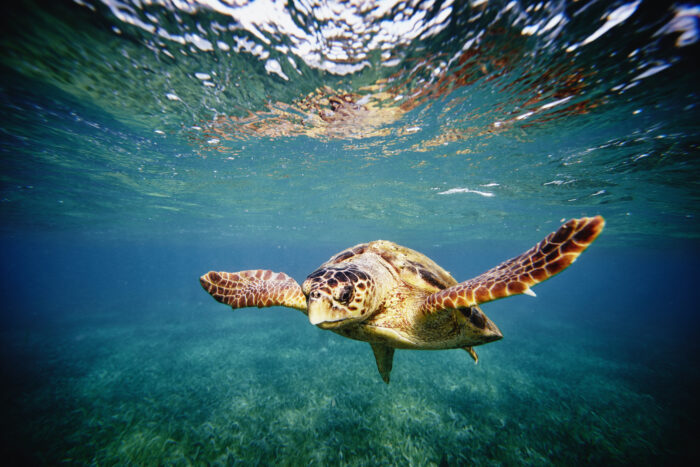
Five species of sea turtles are found off our region’s coast, and all are protected by the Endangered Species Act. Some, like the loggerhead, nest on our beaches. Dredging, or removing sediment from the ocean floor with suction pipes, is a common practice to keep waterways around seaports navigable. This can be harmful for wildlife, especially turtles, that can be easily trapped in the equipment. SELC and our partners have won legal battles in both Georgia and North Carolina to stop harmful dredging plans during the height of sea turtle nesting season.
The red-cockaded woodpecker is an imperiled Southern icon
Once common in the South, red-cockaded woodpeckers now number as few as 7,800 active clusters of birds. Logging and fire suppression destroyed much of the longleaf pine habitat where the woodpecker makes its home. As the number of older pines and the size of forests decreased, so did the red-cockaded woodpecker population. The bird has rebounded slightly under decades of intensive management and Endangered Species Act protections, but increasing effects of climate change, including more severe storms and rising temperatures, now pose even greater risks to the limited habitat the red-cockaded woodpecker has left, much of which is in the hurricane-prone coastal plain.
Status of recovery populations for the red-cockaded woodpecker
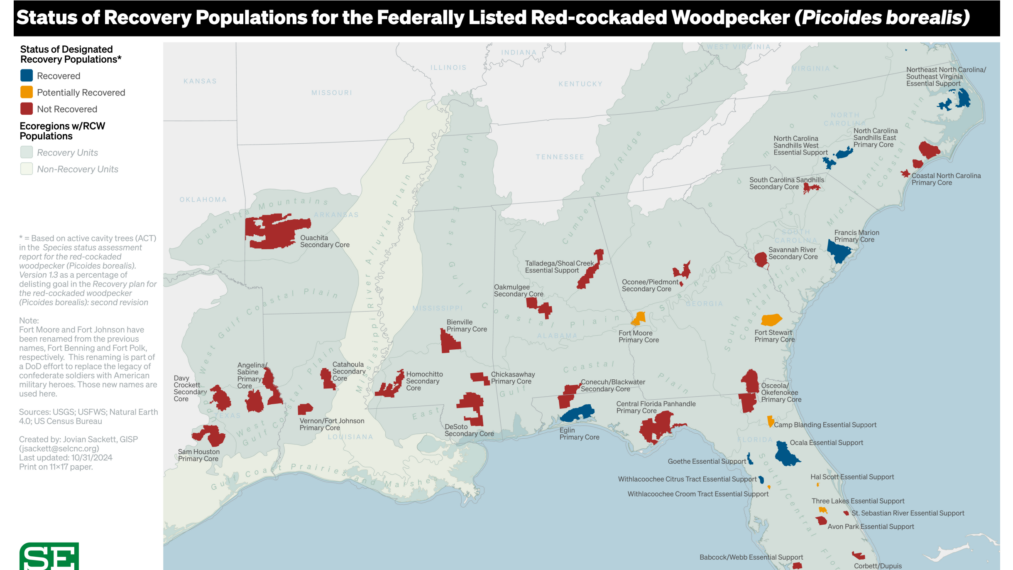
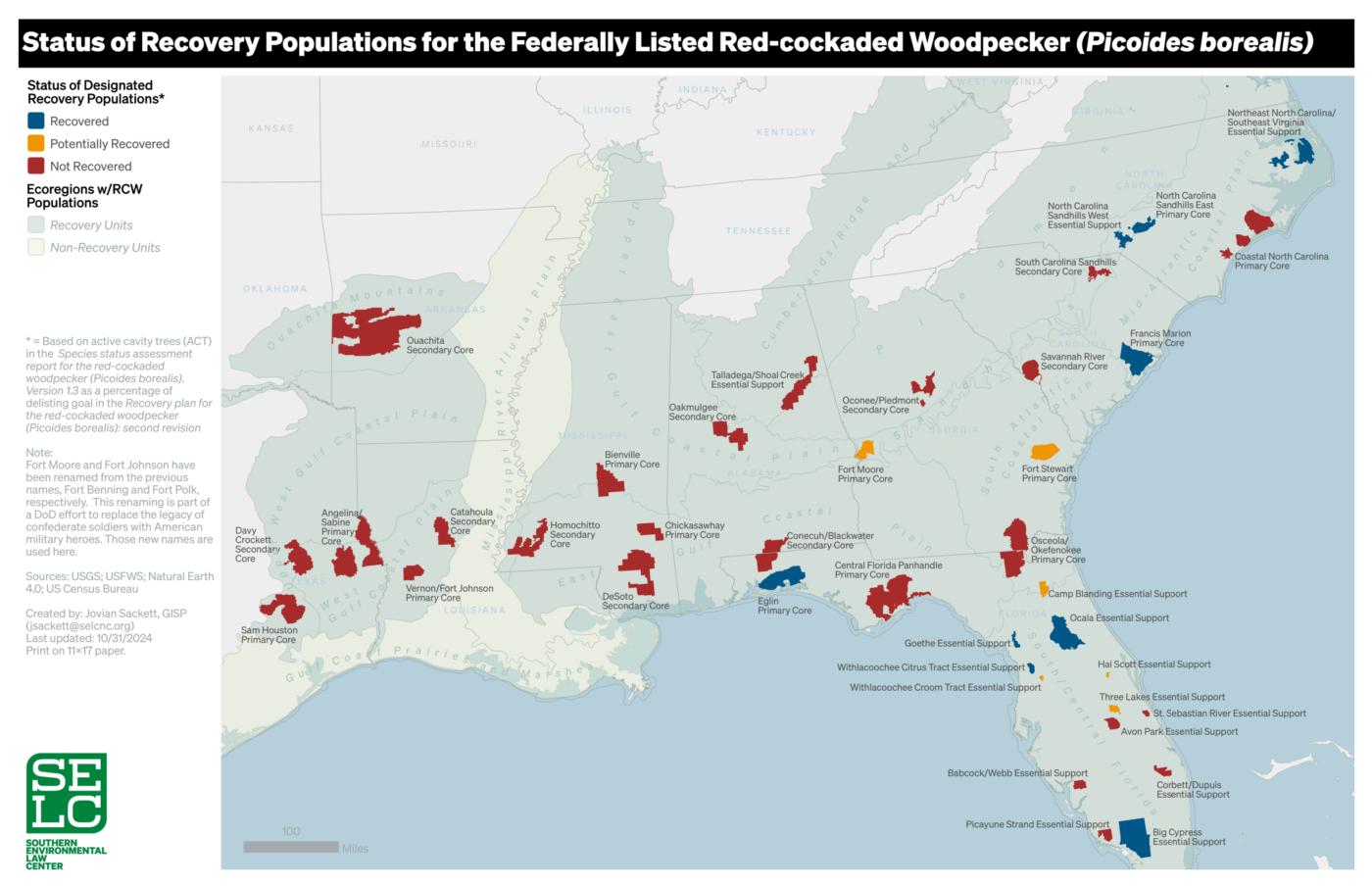
A recent FWS decision to reclassify the red-cockaded woodpecker from “endangered” to “threatened” risks undoing decades of hard work to conserve this iconic Southern bird. The service hasn’t met its own criteria for such a downlisting. Instead, FWS’s own assessment shows that most of the woodpecker’s isolated populations are small, with “inherently very low or low resiliency” to withstand environmental threats. SELC continues to advocate for science-based and climate-conscious decision making for red-cockaded woodpeckers and all Southern species.
The South is a salamander hot spot
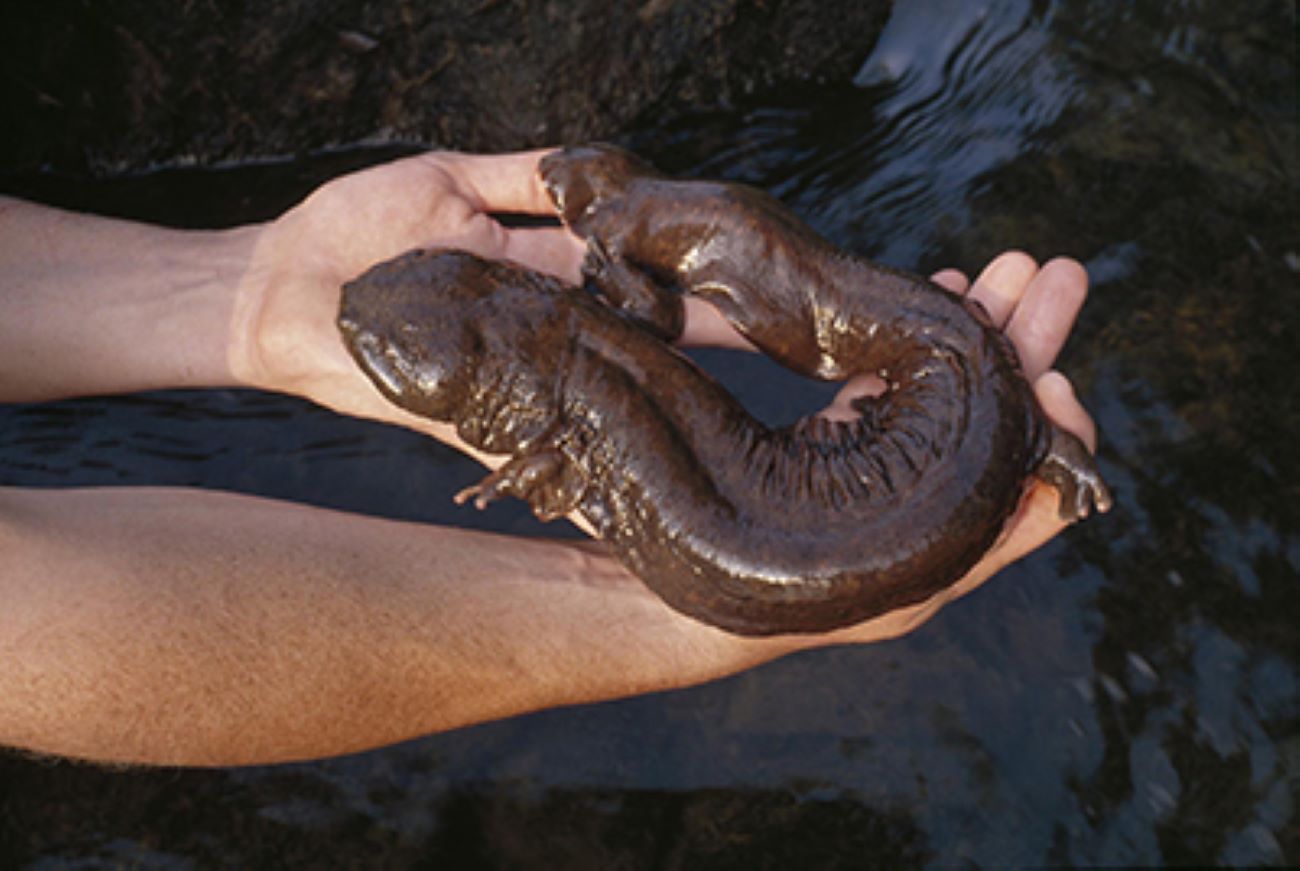
About 20 percent of the world’s salamander species live in the Southeastern U.S, and more species live in the Appalachian Mountains than anywhere else on Earth. Many are adorned with bright colors or feathery external gills. Two thirds of salamanders are lungless and breathe through their skin. All salamanders have the remarkable ability to regrow limbs, tails, and even parts of their heart and brain, a rare ability in the animal kingdom.
But habitat loss, pollution, and the effects of climate change threaten these sensitive and unique aquatic creatures. After a lawsuit in 2024, SELC reached an agreement with FWS requiring the agency to reconsider extending the Berry Cave salamander—a rare amphibian found in only a handful of East Tennessee caves—endangered species protections. SELC also advocates for proposed endangered species status for the iconic eastern hellbender, found throughout many Appalachian streams.
Red knots and the horseshoe crabs they depend on
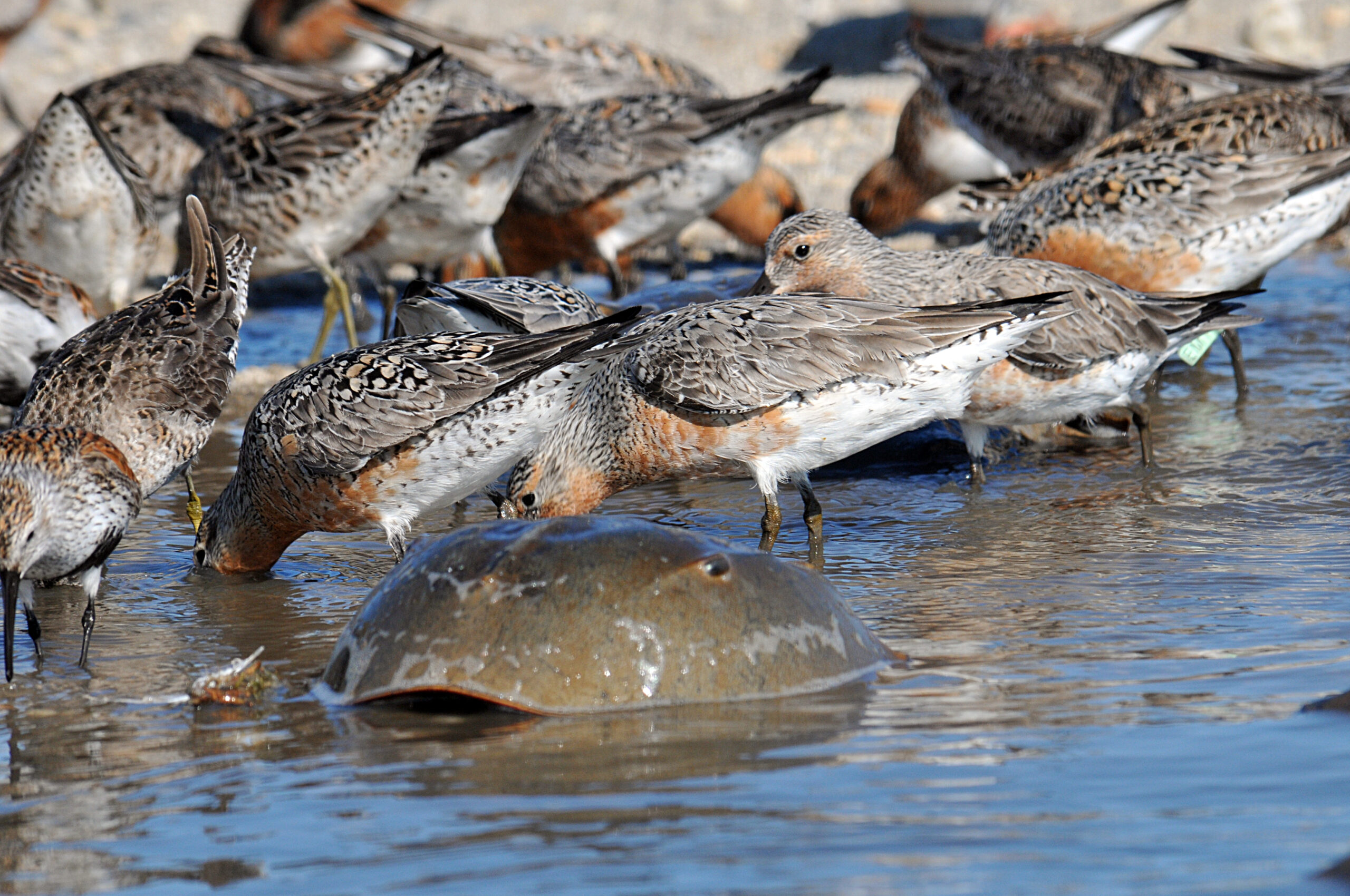
Endangered rufa red knots perfectly time their 9,000-mile migration from the Patagonia region of South America to the Arctic to align with the spring spawning of horseshoe crabs to feed on the abundance of eggs on South Carolina’s beaches. Red knots must essentially double their bodyweight by gorging themselves on horseshoe crab eggs to survive their long migration. But commercial harvesting of horseshoe crabs for biomedical research, including those found at the Cape Romaine National Wildlife Refuge, left far less food for the vulnerable shorebirds.
After years of legal battle, horseshoe crabs and the red knots that depend on them have greater protection on South Carolina’s coast. Because of SELC’s legal advocacy, horseshoe crabs are safe from harvesting at the Cape Romaine NWR year-round, and at beaches on more than 30 South Carolina islands during red knot migration season.