
Progress comes out of the Virginia General Assembly
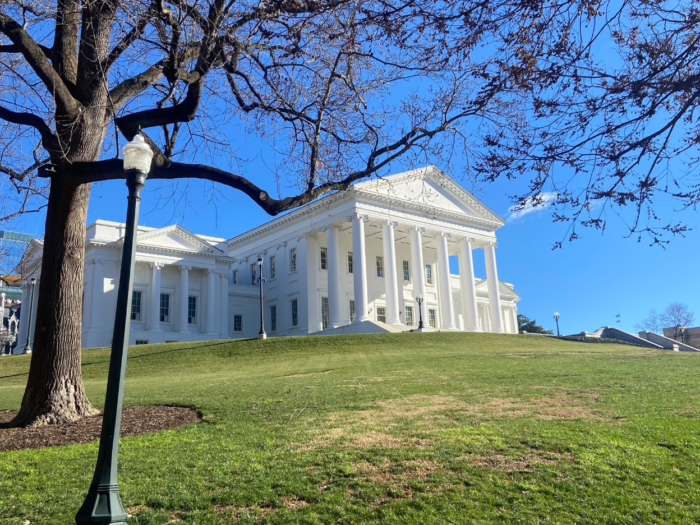
The 2025 legislative session in Virginia was short and packed with conversations about the most pressing environmental issues facing the Commonwealth. SELC and environmental groups across the state helped defeat attempts to weaken the Virginia Clean Economy Act (VCEA) and repeal Virginia’s Clean Cars law.
“SELC and our partners were able to hold the line on critical environmental policies, advance some positive measures, and set the stage for a new governor and General Assembly to take the next steps in 2026,” said Trip Pollard, senior attorney and leader of SELC’s Land & Community Program. “Overall, we have made some progress this session, though bills now go to the governor who can amend or veto them.”
Here’s where things stand:
Energy sources
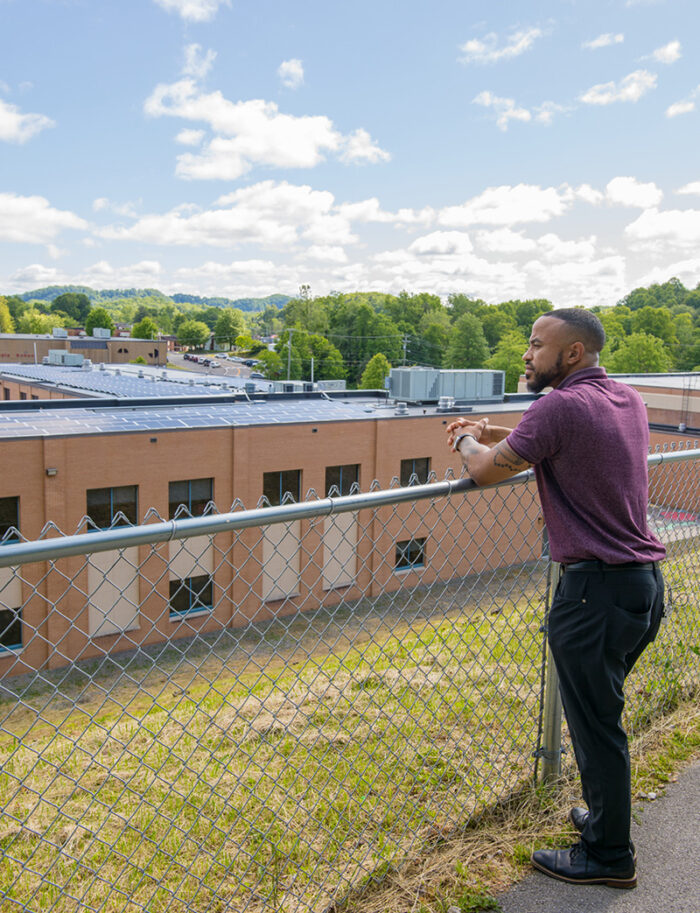
One area we made progress is small distributed energy resources – including solar and batteries. Both the Virginia House and Senate passed bills increasing the carve-out for small solar projects in the VCEA from 1 percent to 5 percent by 2028. Those bills also triple the amount of solar on previously developed project sites, from 200 MW to 600 MW.
The House and Senate also passed bills creating a 450 MW virtual power plant pilot program for Dominion Energy, with a permanent program to be established in 2028. Virtual power plants work by leveraging distributed resources — like a customer’s home battery system — during critical peak times. The participating customer gets paid for helping the grid, and the utility can avoid constructing expensive new power plants and other infrastructure.
The General Assembly also enacted transformative legislation on energy storage: both short- duration and long-duration. Bills from the House and Senate more than triple the amount of storage in the VCEA while also creating separate carve-outs for different types of long-duration storage. Those bills give the State Corporation Commission — Virginia’s utility regulator — discretion over those targets, with the ability to adjust them as needed based on technological advancements and market potential.
“The General Assembly continued to lead on climate and clean energy this session,” said Josephus Allmond, staff attorney and leader of SELC’s solar work in Virginia. “Virginia will see more solar on rooftops and previously developed project sites because of legislation passed this session. In addition, legislators showed their commitment to meeting rising energy demand with forward-thinking solutions, including some of the most ambitious virtual power plant and energy storage legislation passed anywhere in the country.”
Solar siting
Senator Creigh Deeds and Delegate Rip Sullivan sought to establish the Virginia Energy Facility Review Board. It would facilitate the responsible siting of critical projects by providing localities with advisory opinions on solar projects. The board would also review regional energy plans, local comprehensive plans, and local solar and storage ordinances. SELC supported the bills, which were modified versions of a more comprehensive solution from the Commission on Electric Utility Regulation. Unfortunately, the bills ultimately failed.
Data centers
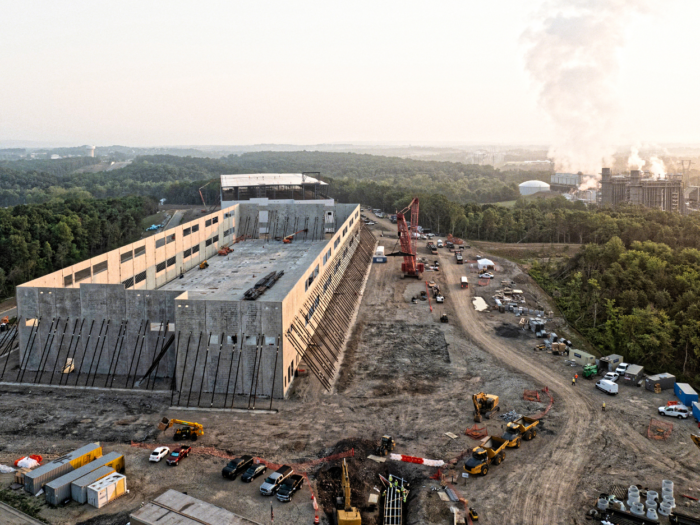
Virginia continues to be burdened with an outsized share of data centers—primarily in Northern Virginia—which are straining the electric grid and creating other negative impacts. Utilities are also weaponizing this energy demand to justify another wave of expensive, and risky gas projects. SELC, alongside many other partners, advocated for a suite of policy changes aimed at:
- increasing transparency at the local and state level about environmental and economic impacts,
- revamping the data center exemption to only be available to highly efficient data centers committed to carbon free electricity, and
- provide early oversight by the State Corporation Commission of the contracts between data centers and the utilities.
Facing powerful headwinds in a short 45-day session, many of the proposals failed to advance, although a modest bill concerning local approval made it through. SELC will continue to fight for meaningful change at the General Assembly.
Transportation
SELC held the line this session in its ongoing long-term efforts to halt destructive highway proposals and made some progress in advancing more sustainable transportation alternatives. This session, all highway earmarks proposed for the budget were rejected. So was a bill proposing a study that would advance the proposed Corridor H from parts of West Virginia to Interstate-81 near Strasburg, Virginia, that has been met time and time again with resistance from communities.
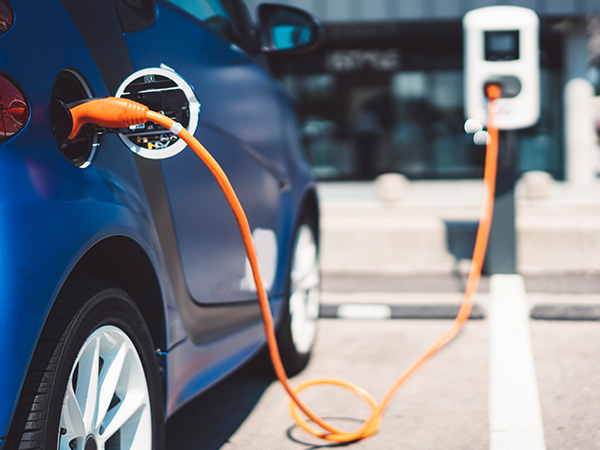
Among the positive steps, the budget passed by the legislature restores $3.3 million of the cuts the governor proposed to the Metro system. And the budget also included $1.5 million for the Electric Vehicle Rural Infrastructure Fund, which also passed, and will help fund the installation of EV charging stations in rural and other underserved communities.
What’s next?
Legislators showed their commitment to meeting rising energy demand with forward-thinking solutions.
Josephus Allmond, Staff Attorney
Every year is an election year in Virginia. In November citizens vote for a new governor and members of the House of Delegates.
All approved bills and the budget are now being sent to the governor, who has 30 days to sign, veto, or amend them. The General Assembly is set to reconvene on April 2 to address the governor’s actions.