
Data centers descend on the South
Imagine being so happy it almost hurts.
That’s how Amanda Wydner describes the moment she learned months of sustained organizing efforts were finally paying off. After an April vote by the local board of supervisors, following an outpouring from concerned residents, the homes she and her neighbors owned near Virginia’s southern border were no longer under threat from a gigantic complex of data centers and its harmful gas power plant.
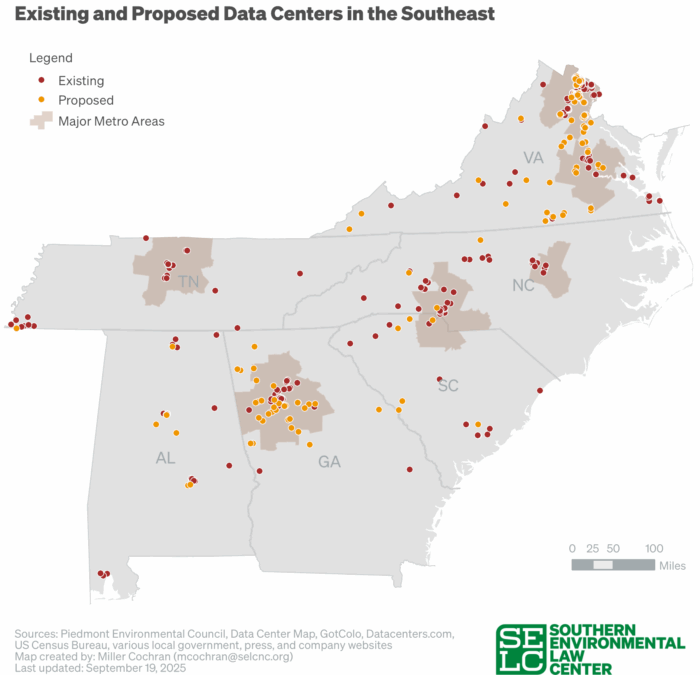
The United States is home to the most data centers in the world. Thousands of facilities across the country currently power online activities that vary from file storage and money transfers to generating artificial intelligence, or AI. The largest concentration of these facilities is in the South, and Virginia holds the title of “data center capital of the world” thanks to the hundreds of facilities located across D.C. suburbs like Ashburn, Sterling, and Manassas.
In addition to the numerous data centers already running, at least 200 new ones are in some stage of development, from proposal to construction, around the South. These centers are often paired with new fossil fuel projects to power them, dragging us backward on climate progress.
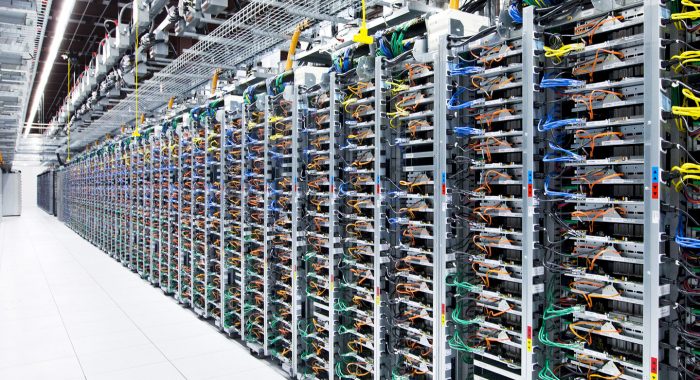
The run on data centers has happened so fast it has allowed for unchecked growth without much transparency or public input. Residents near existing facilities note a laundry list of concerns that come with these new neighbors. Most immediately, there is the constant droning hum they generate, the noise pollution disrupting local peace and quiet. Data centers also often require massive amounts of water for cooling, often drawn from shared resources. And then, there’s the energy needed to power the facilities and the infrastructure required to provide it, which utilities are using as a reason to recommit to dirty fossil fuels. These energy guzzlers use 10 to 50 times more power than typical commercial buildings. The on-site backup generators that most data centers have usually run on diesel, which can worsen local air quality and impact community members’ health.
All this leaves many wondering, is it worth it? But when concerned citizens go looking for more details, the information they seek is often shrouded behind non-disclosure agreements. It’s a recipe for development that gives data centers what they want while leaving neighbors, utility customers, and future generations on the hook when inevitable issues arise.
The risks of unchecked data center growth
Today’s data center boom could foreshadow a coming bust. Much of the projected demand is speculative — if not outright implausible — according to a new report by London Economics International, commissioned by SELC. Supply chain limits, especially for the chips that drive AI, mean many proposed centers are unlikely to materialize.
“The truth is many of today’s proposed data centers will never be built,” said Christina Libre, an associate attorney at SELC. “Our communities will ultimately pay the price for building gas plants and pipelines to meet demand that isn’t really there.”
Monopoly utilities, like those across the South, make a return on their infrastructure investments. In state after state, they are using data center growth to argue for keeping aging coal plants online and investing in new fossil-fueled plants and the associated pipelines.
The truth is many of today’s proposed data centers will never be built. Our communities will ultimately pay the price for building gas plants and pipelines to meet demand that isn’t really there.
Christina Libre, SELC attorney
Place-based power
Earlier this year a community north of Danville, Virginia, understanding the serious health and environmental harms that come with data centers, officially said, “No, thank you,” to Balico, LLC’s request to build a 2,200-acre “megacampus” and gas-fired power plant on nearby farmland. The gas plant would have been the second largest in the country and more than double the size of the largest such plant in the Commonwealth. A study from health researchers at Harvard showed its air pollution would have significantly impacted around 17,500 people.
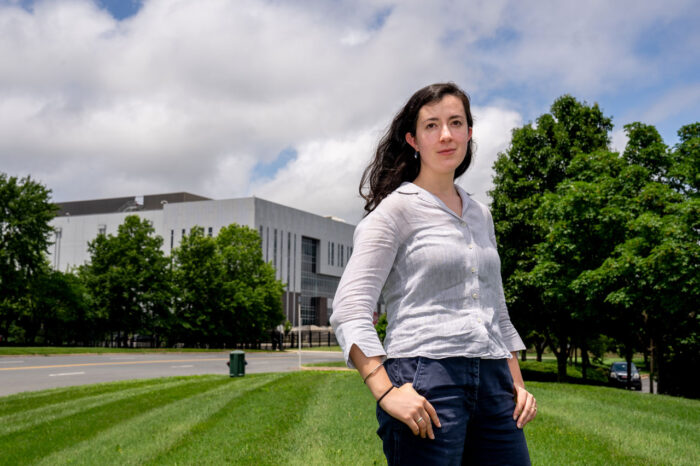
“The developer was going to take an entire region of Pittsylvania County and turn it into an industrial mega park,” said resident Amanda Wydner. “These areas are steeped in history and appreciation for the experience of living in a rural landscape. Commitment to that quality of life really drove us to want to protect the region and each other.”
People from all walks of life call the bucolic area home and Wydner is one of the community leaders who helped to beat the odds. She and her neighbors shut down Balico’s proposal by organizing a diverse group, including SELC, to advocate for the common good.
“We’re different shapes and sizes, of all socioeconomic backgrounds, and they’re of all political persuasions,” Wydner said.
As Wydner and her neighbors came to understand the scale of what was being proposed, they began talking to everyone they knew in town, stopping folks at the grocery store or bringing it up when they ran into a neighbor on the school sidelines. They also brought in legal help by partnering with SELC. Attorneys supported the local organizers with facts about the proposal’s risks to residents’ health and the environment, provided written comments to local elected officials explaining the proposal’s
inconsistencies with state and local land use regulations, and showed up to speak at local
meetings where decisions were made.
Wydner’s experience made it very clear that, when a place people know intimately is on the line, unconventional allies can unite to overpower large polluting industries. Over the course of several months, community members knocked on doors, faced industry representatives, talked to news outlets, engaged with local government, and opened their homes and churches for public meetings.
“The inevitable impact of these big fossil fuel plants is that the local air quality will suffer and people’s health will be impacted,” said SELC Associate Attorney Elizabeth Putfark, “and that’s not something any community wants, no matter how they voted.”
The local organizing worked. This spring, the county board of supervisors rejected Balico’s rezoning request, meaning the proposal could not move forward.
Lessons learned
The people of Pittsylvania still raise a hand to wave when passing each other. “Now I feel like everybody has a much deeper understanding of how important it is that we are connected,” says Wydner.
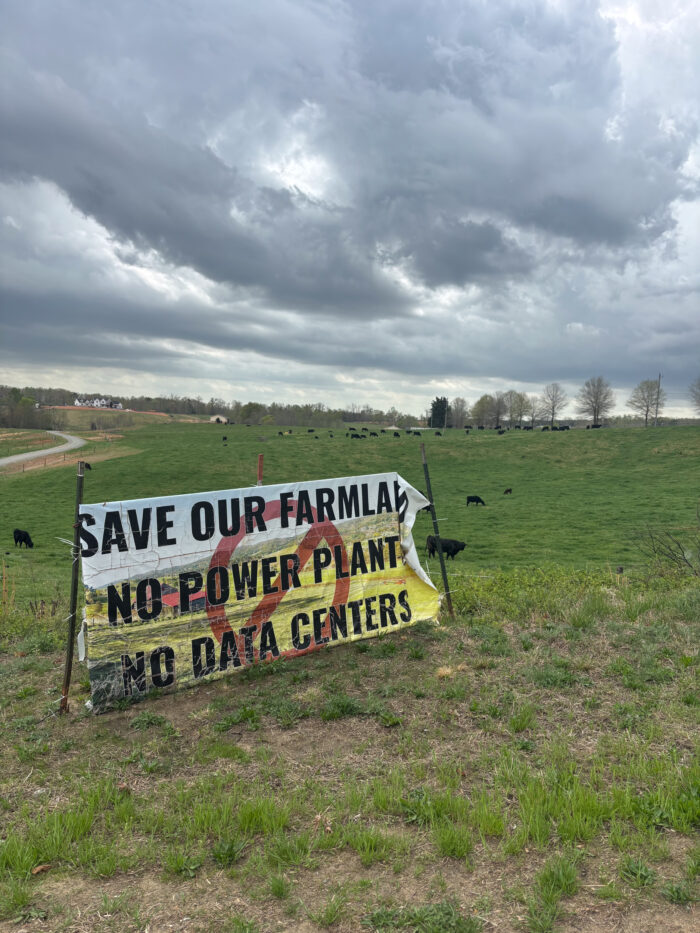
Today she continues to help others in similar situations. Her goal is to inspire communities facing big industries with deep pocketbooks. Whether based in the South or elsewhere, her advice is the same: “You must be of the mindset that you will not stand down.”
She knows what happened in Pittsylvania County can be replicated across the South. It requires collecting information, connecting to share that information, and making sure decision-makers hear from their constituents.
Ensuring there are public hearings on these projects is a key step. Too often data center proposals start and move through the development process without the transparency necessary for residents to evaluate and weigh in on them. In Pittsylvania County, the community’s success was possible, in large part, because residents had the opportunity to learn about the proposal, to ask hard questions, and to help their elected officials understand the consequences.
“We saw that when people understood the impacts that come with these data centers, they’re hungry to talk about it and make sure decision-makers get all that’s at stake,” said Putfark.
The facts that come with data center development can be overwhelming. Every state in our region is affected by this deluge of data centers with unnecessarily destructive and expensive consequences.
The dramatic buildout of infrastructure they drive threatens to lock in climate-warming fossil fuels,
hike energy bills, strain water resources, and crowd out more reliable, cost-effective clean energy.
Data centers are woven into the fabric of modern life, but there are more sustainable ways to build the world’s computing capacity, starting right here in the South. We can prioritize clean energy sources, be transparent about water use, require companies to pay their own way, and consider neighbors, all without serious sacrifice. We need our local officials, developers, and tech giants to understand the repercussions of their choices and the possibilities. Ensuring data center development doesn’t drain our wallets, harm our community health, or jeopardize our environmental safety isn’t too much to ask.