North Carolina climate action
North Carolinians are suffering from costly energy bills while enduring harsher winters and hotter summers. Across the state people agree: we need affordable, clean energy resources that are better for our health, our wallets, and our environment.
A recent poll shows that a majority of North Carolina voters believe the state should increase its use of clean energy sources and decrease its reliance on polluting fossil fuels. North Carolinians increasingly feel the impacts of climate change — from devastating storms like Hurricane Helene, flooding, and rising sea levels that are harming coastal areas — and want to act now to protect their families and communities.
North Carolina took important first steps towards tackling climate change when the General Assembly enacted bipartisan legislation in 2021 that requires cuts in heat-trapping carbon pollution from fossil-fueled power. Unfortunately, the General Assembly took a significant step backwards in 2025 when it rescinded a key provision that had required Duke Energy to achieve a 70% reduction in carbon pollution below 2005 levels by 2030. The legislature tacked on a new provision that makes it easier for the monopoly utility to make its captive ratepayers pay the construction costs for expensive new gas power plants.
As North Carolinians feel the impacts of high energy bills and rising gas prices, now is the time to hold monopoly utilities accountable and prioritize clean energy resources over harmful pollution.
David Neal, SELC senior attorney
North Carolina Carbon Plan
The NC law tasks the North Carolina Utilities Commission with developing a plan to meet the 2050 carbon pollution reduction requirements and reviewing that plan every two years.
Unfortunately, in November 2024, the commission issued a second Carbon Plan that approved many of monopoly utility Duke Energy’s proposals to double down on climate pollution. In 2026, the proposed plan still prioritizes over-reliance on expensive new gas plants over resources that would insulate NC customers from rising and unpredictable fossil fuel costs.
Over the last several years, Duke’s missed many opportunities to save customers billions of dollars in lost federal tax credits and other steps that would have further diversified its energy system. Duke’s plan would lock North Carolinians into decades more dependence on costly, carbon-polluting fossil fuels — the same energy sources that failed during Winter Storm Elliott., leading to rolling blackouts during an extreme cold snap.
The Southern Environmental Law Center will continue to advocate for a pathway relying on clean, cost-effective resources like energy efficiency, solar, wind, and battery storage and rapidly phasing out dirty fossil fuels.
These resources are free from the volatile price swings of polluting fossil fuels like methane gas and have proven reliable in the wake of extreme weather events and storms. For instance, when fossil fuels failed on Christmas Eve in 2022, knocking the power out for 500,000 Carolinians, renewable energy resources performed as expected. And in the aftermath of Hurricane Helene, solar power paired with battery storage has been essential in providing people with quick access to energy.
Reimagining our transportation system
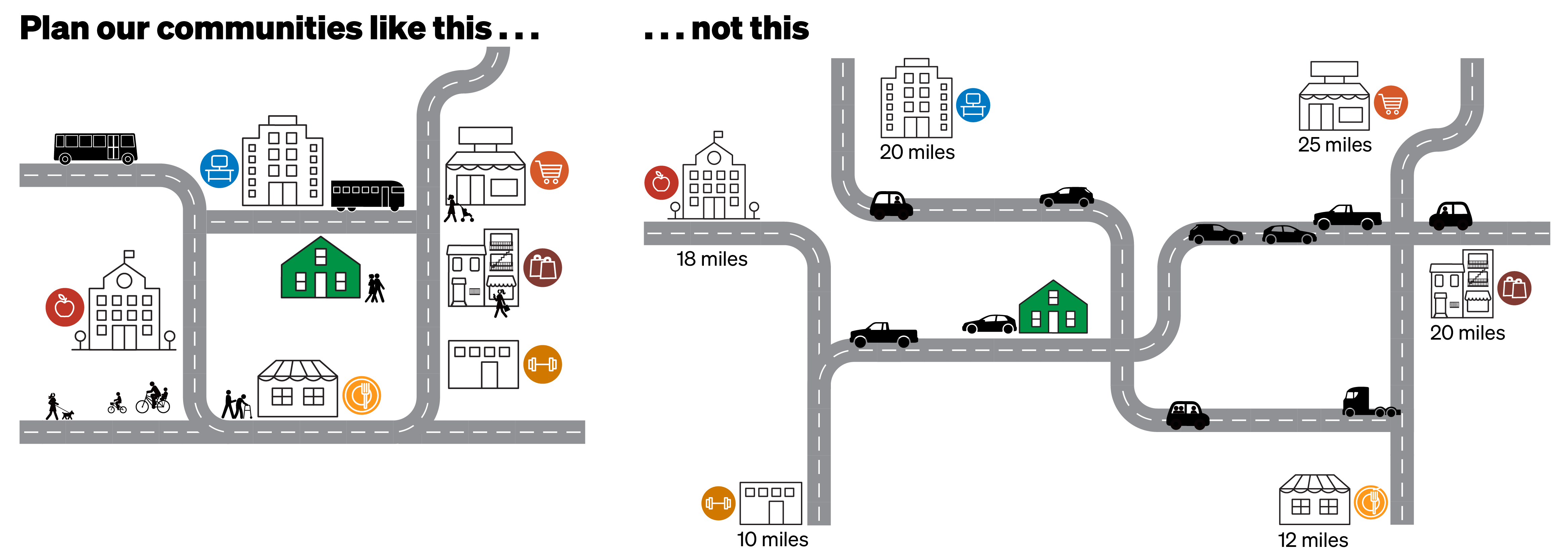
Just like minimizing emissions from the power sector, moving toward a clean, accessible transportation system is critical for addressing climate change and creating safer, more equitable communities. We launched Clean Connected Communities, an advocacy network that unites community leaders, clean transportation advocates, citizens, and experts in a concerted push for policy changes and community-driven transportation solutions.