
North Carolina Update
Fall 2024
As the South experiences extreme heat and increased flooding, we are at a critical time for our environmental future. Together, we can protect our remarkable natural resources and help turn the tide on climate change. SELC was built for this.
Your support enables us to do this work.
Rooted in the South, we use strong legal and policy work, strategic vision, and pragmatic problem solving in all three branches and at all levels of government. When one door is closed, we find another way. With our commitment to place, SELC is building on nearly 40 years of success in North Carolina and five other states, and driving results that resonate across the nation. That’s why we say, “Solutions Start in the South.”
Now is the time to act. Join us.
Protecting Clean Water and Communities in North Carolina
SELC is taking on polluters that threaten clean water across North Carolina. The Sampson County Landfill is the largest landfill in the state and located in the rural, predominantly Black and Latino, and low-wealth community of Snow Hill. Sampson County is the final destination for millions of tons of waste generated by many of the state’s dirtiest industries and over 44 counties. Toxic pollutants originating from the landfill — including heavy metals and per- and polyfluorinated compounds known as “forever chemicals” — have been found in nearby surface water, groundwater, and residential drinking water wells. Building on our long history of holding industrial polluters accountable, SELC is leading the fight to stop the ongoing pollution of groundwater and surface water near the landfill, remediate existing contamination, and ensure that the people of Snow Hill have access to safe, affordable drinking water.
But holding polluters accountable doesn’t stop with these “forever chemicals.” SELC protects water sources in rural communities across North Carolina from other industrial polluters, especially concentrated animal feeding operations. These operations often store and spray billions of gallons of animal waste onto nearby fields, contaminating groundwater and crops of nearby residents, many of whom are Black and Brown, Latino, and Indigenous people.
SELC is also pressing on all fronts to protect North Carolina’s vulnerable wetlands. In the wake of the disastrous ruling in Sackett v. EPA, protecting wetlands is a top priority. In the Sackett decision, the U.S. Supreme Court dramatically curtailed vital, longstanding wetlands protections under the federal Clean Water Act. While other states responded by increasing safeguards for wetlands, the North Carolina state legislature chose to risk further harm by rolling back state protections in the 2023 Farm Act to match the new, lower Sackett limits. As a result of these two devastating developments, we are leading a coalition of statewide partners to fight back. Through new partnerships and creative legal approaches, SELC is committed to protecting North Carolina’s wetlands where our courts and legislatures have failed.
We have laws and a model that works to stop pollution at the source and hold polluters accountable, along with an industry that understands they won’t be able to practice business-as-usual forever. To me, that’s a recipe for clearing every one of our nation’s waterways of these toxic chemicals.
Kelly Moser, Senior Attorney, Chapel Hill Office
Securing North Carolina’s Climate Future
©Jackson Smith
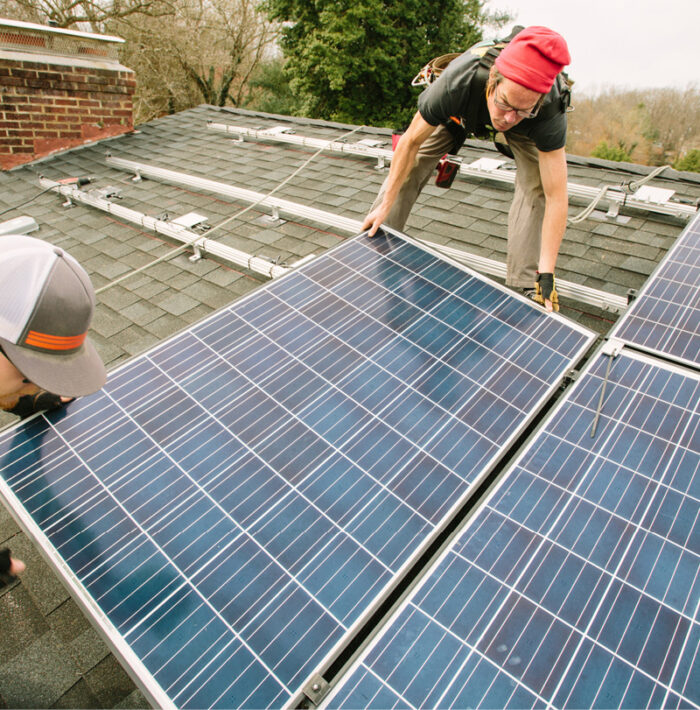
Transportation remains a leading cause of climate change and air pollution in North Carolina, and our team has been pushing on multiple fronts to bring Inflation Reduction Act funding for carbon reduction programs to our state. We are also leading a statewide coalition that will champion a dramatic rethinking of our highway-focused transportation approach and how communities can advocate for themselves in this transition. And SELC is ensuring our forests remain a vital tool to fight against climate change. Our Chapel Hill office is working across the Atlantic to reform misguided European policies that fuel the cutting of Southern trees to produce wood pellets for power plants in Europe. We are pushing hard to redirect U.K. and European subsidies and incentives away from forest biomass and toward true renewables like wind and solar — and to keep Southern states and the federal government from designating biomass a “clean” energy resource here at home.
Solutions start in North Carolina.
At SELC, we’re driven to go above and beyond in our work to protect the air, the water, and the special places of the Southeast.
Fighting for the Pisgah National Forest
© Jerry Greer
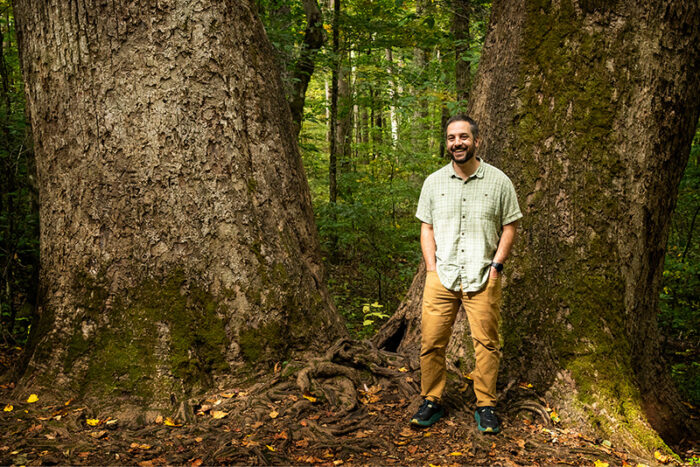
SELC is in court to stop inappropriate logging in the Pisgah-Nantahala National Forest. The new management plan developed by the United States Forest Service prioritizes logging in the wrong places, threatening endangered old growth forests that hold massive amounts of carbon. When trees are logged, most of the carbon they store is released into the air, accelerating climate change. Keeping old-growth tracts standing is a cost-effective and straightforward climate change solution. SELC is holding the Forest Service accountable and pressing the agency to seize this once-in-a-generation opportunity and map out a better future for this incredible forest.
The agency’s single-minded pursuit of these targets threatens almost every value that people cherish about our national forests, puts the climate at risk, and violates federal law.
Patrick Hunter, Managing Attorney, Asheville Office
Decarbonizing Our Economy
SELC is pushing to reduce North Carolina’s power sector carbon pollution. We are working to implement legislation requiring utilities to reduce power sector carbon pollution 70 percent by 2030 and to net zero by 2050, and directing the state utility commission to take “all reasonable steps” to achieve those reductions and prepare a carbon plan showing the least-cost path to achieving them. We are advocating for a plan that retires coal on an aggressive schedule, prevents construction of new gas plants, and maximizes deployment of resources while ensuring the benefits of the clean energy revolution are accessible to all communities. We will continue pressing on all fronts at the state and federal levels to get more renewables onto the grid in North Carolina.