

Invasive species hurt economies and ecosystems
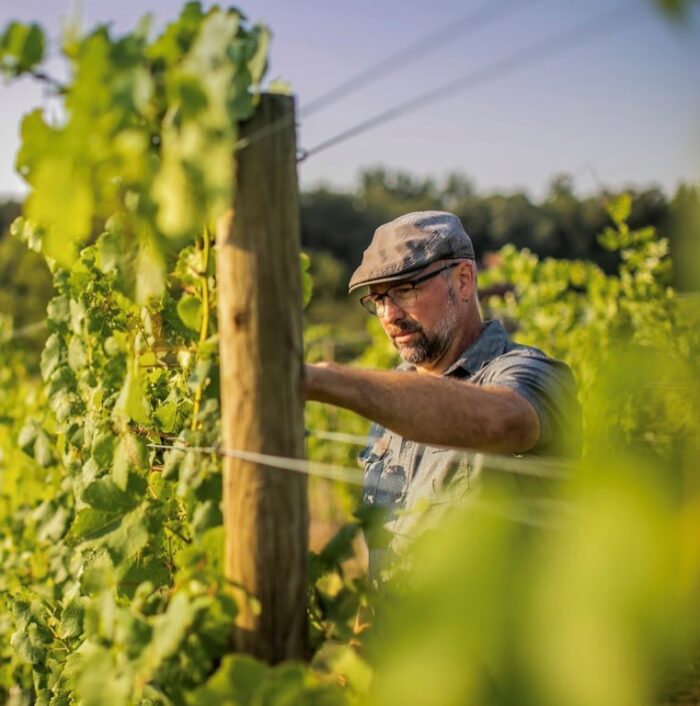
To be a winemaker in Virginia, Jake Busching says stubbornness is key.
For nearly three decades he’s watched that grit transform wine in central Virginia and the Shenandoah Valley from novelty to a bona fide player in North America’s wine industry.
“It’s a difficult thing to do here in Virginia. After decades of technological innovations, research, and pure stubbornness, we’ve discovered we can make world-class wine here,” Busching says.
Busching, head winemaker for Eastwood Farm and Winery, says a small invader keeps success in an already tough industry out of reach for many. The spotted lanternfly is indigenous to Asia but hitched a ride to Pennsylvania in 2014. With no real predators and the ability to lay 30-50 eggs at a time, spotted lantern flies are now in at least 19 states. They’re a nightmare for the agricultural industry, feasting on and destroying a wide range of plants, including grape vines.
“Mom and pop grape farms are already so fragile, and those are the folks the lanternfly hurts,” Busching says. “Small operations really can’t stand the added cost and time it takes to deal with something like this.”
Invasives are everywhere
Ecosystems are fickle things. Just like the extinction of a single species can throw everything off this delicate balance, so can an uninvited one.
“Over centuries, plants and animals in particular ecosystems have evolved to coexist,” explains Ramona McGee, a senior attorney and SELC’s Wildlife Program leader. “Species can’t suddenly defend themselves from a new predatorfrom a totally different part of the world overnight. When something as aggressive as a spotted lanternfly shows up, our local plants are defenseless against this new threat.”
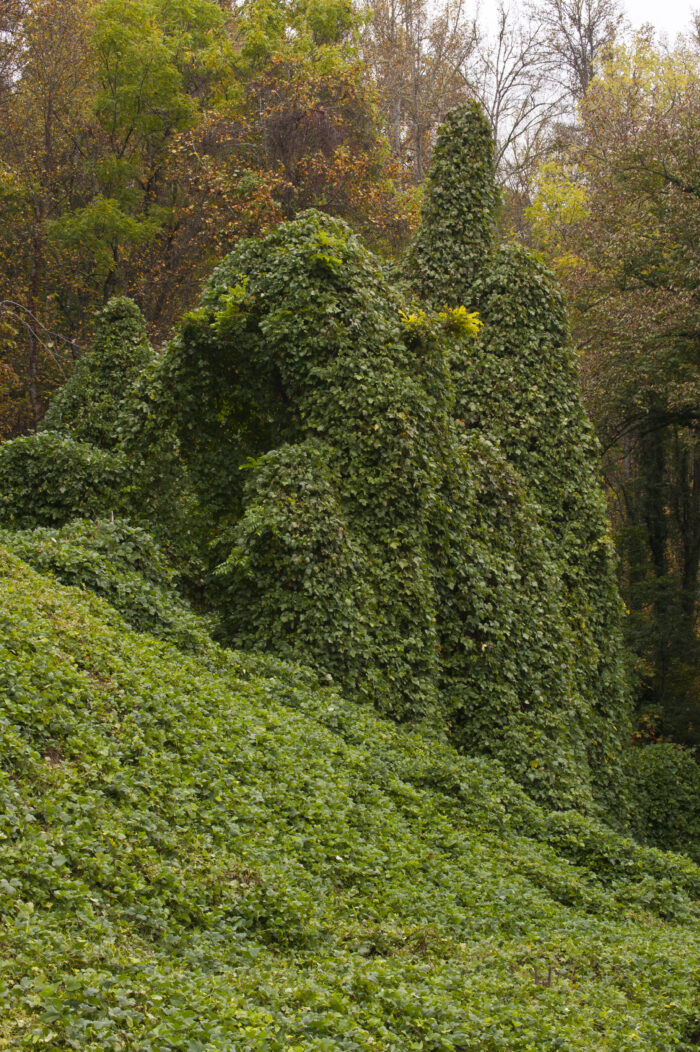
The spotted lantern fly’s assault is hardly a unique phenomenon. There are thousands of invasive species across the U.S. Some, like kudzu and Bradford pears, are so prevalent it can feel like they’re part of Southern life. But invasive species can smother out native plants and habitats that pollinators and other animals depend on.
Over time, invasive species have a profound impact on our environment, food sources, and pocketbooks. The economic cost to North Americans — especially for agriculture and public lands— is an estimated $26 billion a year. The species impacts are harder to put an amount on.
“Climate change and unchecked development are creating more opportunities for non-native species to take hold and spread,” McGee says. “The public plays an important role in conserving native habitat, especially from invasive species.
Holding the line on aquatic invasives in Georgia
Signs at public boat ramps across Georgia read “Clean Your Gear – Stop Aquatic Hitchhikers.” Stowaways on boats and trailers is a major way aquatic invasive species move around the state. Jim Page, a senior fisheries biologist and aquatic nuisance species coordinator with Georgia’s Department of Natural Resources, says while natural events, like hurricanes, can bring invasives to the state, more times than not their introduction is the result of human activities.
“Public partnership is our best defense against aquatic invasive species, whether that’s through prevention efforts or encouraging people to report invasive species they find” Page says. “We’re in schools talking to kids, we offer training and reporting tools online. It’s too large of a state for us as resource managers to be everywhere, so we rely extensively on the public.”
While boaters may passively spread destructive species like zebra mussels and giant salvinia when they hitch rides on boats, dumping pet aquarium fish or purposely moving species from one waterway to another can have serious impacts.
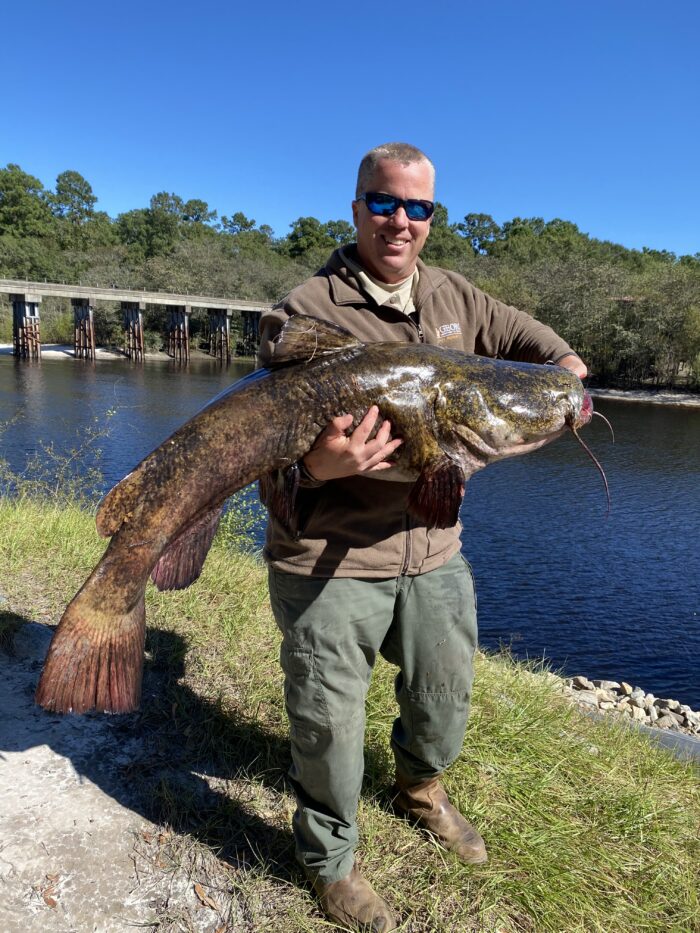
One example is the flathead catfish. They’re a Gulf species native to Northwest Georgia waterways. “But they’ve been introduced into several Atlantic rivers and caused some really dynamic changes,” Page explained. “The catfish are at the top of the food chain and can potentially grow to 100 pounds. It does that by eating pretty much anything and everything in front of it.”
Page says anglers who wanted this impressive catfish in their local waterways moved them from home rivers like the Coosa River in Northwest Georgia to other rivers within the state, including the Altamaha and Satilla. The effects on native species are catastrophic. They impact at least 12 native fish species, including beloved game fish like largemouth bass and redbreast sunfish.
“It’s really changed a lot of historic pan fisheries here. For decades we had one of the regions premier redbreast fisheries where generations of families would come to participate in catching these prized fish. Large redbreast can still be found in the Satilla, as the World Record redbreast was caught here in 2022, but the abundance of redbreast in the river has dramatically declined since flatheads were introduced.” Page said. “That’s why education and prevention is key. It’s easier to hold the line and prevent introductions than to control or eradicate an established invasive species.”
Final straw?
Back in Virginia, public support helps wine industry beginners overcome barriers, including the spotted lanternfly.
Busching is part of the Virginia Wine Collective, a production facility in Charlottsville that serves as an incubator for new winemakers. Participants craft their wines in a collaborative, supportive environment.
“This is already a hard enough industry to get into with the financial barriers and weather,” Bushing says. “What is the straw that breaks the camel’s back? The lanternfly isn’t it, but sometimes it feels like it.”
How can you help protect the South from invasive species?
- Clean boats, trailers, and other equipment after leaving waterways (learn more here).
- Learn more about invasive species in your area, and how you can report sitings to your state wildlife management agency. Here is a United State Geological Survey reporting tool for aquatic species.
- There are resources online (like this one from Trees Atlanta) on how to identify and remove invasive plant species.
- Buy plants responsibly: avoid invasive species sometimes sold at garden centers including English ivy, Chinese privet, and Bradford pears.
- Buy native plants! Native plants support pollinators and other wildlife and typically need less water and maintenance than non-native species. There are great online resources from universities, native plant societies, and social media advocates on native species.